You have probably felt this.
You walk away from a conversation with a nagging sense that something was off. People are polite. They are civil. But something about the way they interact with you feels different from how they interact with others. Shorter answers. Less eye contact. They include you but they do not include you.
You start wondering: is it me? Or is it them?
The truth is more useful than either option. It is not about whether you are “good” or “bad.” It is about whether you are reading the signals correctly—and whether you are sending signals you do not realize.
If you want to understand why people may be pulling away—and what to do about it—these five books cover different angles of the same question.
1. Awakening to Human Nature by Owen Pierce
Understand the hidden signals people send—and the ones you might be missing.
Most people who feel disliked are not disliked. They are misread. They assume others are thinking negatively about them when the truth is much simpler: people are often not thinking about them at all. But sometimes the feeling is real. Sometimes people are holding back. And when that happens, the question becomes: what are they seeing that you are not?
Pierce’s book strips away the politeness and reveals how people actually operate. It explains why people react the way they do. Why some people feel safe to others and some do not. Why certain behaviors push people away without the person realizing it. It does not ask you to become someone else. It asks you to see yourself clearly enough to know what is actually happening.
For anyone who keeps wondering what they are missing in social situations.

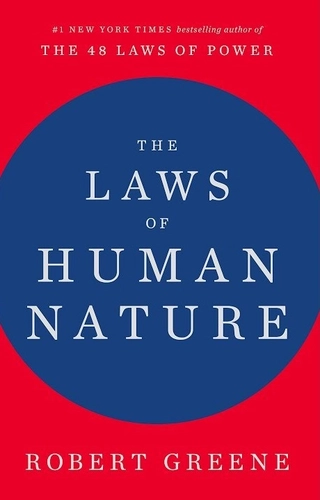
2. The Laws of Human Nature by Robert Greene
Why do people react to you the way they do?
Greene’s book is built on the premise that human beings are driven by patterns they do not always recognize. Envy. Insecurity. The need for status. The fear of being exposed. These forces shape how people treat you—and how you treat others.
If you want to understand why people may be pulling away, this book helps you see the underlying dynamics. People who seem cold may be protecting themselves. People who seem dismissive may be threatened. People who avoid you may not dislike you—they may just not know how to be around you. Greene gives you a framework for seeing the forces beneath the surface.
For anyone who wants to understand the deeper dynamics driving how people treat you.
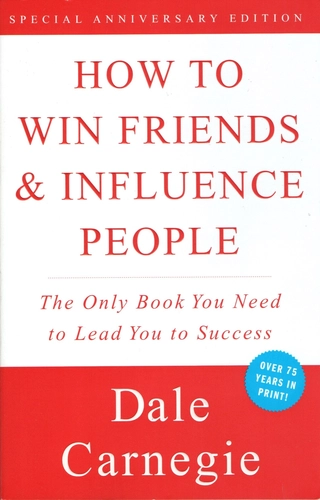
3. How to Win Friends and Influence People by Dale Carnegie
What are the behaviors that push people away—and what draws them in?
This is the classic for a reason. Carnegie wrote it nearly a century ago, but the principles have not changed. People want to feel valued. They want to be listened to. They want to feel like they matter. And the people who struggle socially are often the ones who, without realizing it, make others feel less of those things.
The book covers specific behaviors: talking too much about yourself, failing to listen, criticizing instead of understanding, making others feel small. It gives you actionable changes you can make immediately—not to become someone else, but to remove the barriers that keep people at a distance.
For anyone who wants to know exactly what behaviors to change.
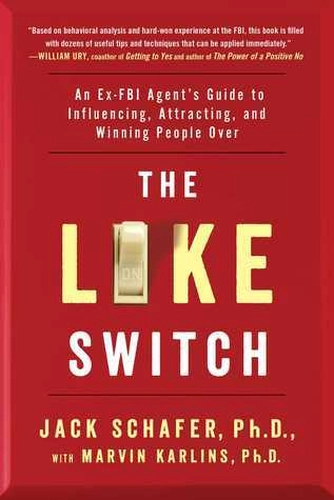
4. The Like Switch by Jack Schafer
What makes people open up to you—and what makes them close off?
Schafer is a former FBI agent who spent years building rapport with people who had every reason to distrust him. He developed a system for making people feel safe enough to connect. The book is full of practical techniques: how to read body language, how to signal warmth, how to make people feel understood.
If you are wondering why people seem closed off around you, this book gives you a clear answer. It is usually not about you as a person. It is about something you are doing—or not doing—that signals safety or threat. And those signals can be changed.
For anyone who wants practical techniques for making people feel comfortable around you.
5. Platonic by Marisa G. Franco
Why do some people make friends easily while others struggle?
Franco, a psychologist who studied friendship for years, answers a question that haunts many adults: why is it so much harder to connect now than it used to be? The answer is not about personality. It is about the forces that keep people isolated: the “liking gap” (people underestimate how much others like them), the decline of spontaneous social interaction, and the fact that adult relationships require intentional effort that most people do not know how to make.
If you feel like people do not like you, this book offers a different perspective. It is not that they dislike you. It is that they do not know you—and the conditions for knowing you have not been created.
For anyone who feels like they are the only one struggling to connect.

These five books each offer a different lens on the same question.
Pierce helps you see the signals you are missing. Greene explains the deeper dynamics behind how people treat you. Carnegie gives you specific behaviors to change. Schafer teaches you how to make people feel safe around you. Franco helps you understand the forces that keep people disconnected.
If you are tired of wondering why people do not like you, start with the one that matches where you are stuck. Need to understand what you are missing? Start with Pierce. Need to understand the dynamics beneath the surface? Start with Greene. Need practical changes you can make today? Start with Carnegie.
The answer is not that people dislike you. The answer is that there is something you are not seeing. And once you see it, you can change it.