You have heard it before: “You need to start investing early.” “Compound interest is the eighth wonder of the world.” “Your money should be working for you.”
All of that is true. But none of it tells you how to actually start.
The problem with most investing advice is that it assumes you already know the basics. It throws words at you—ETF, index fund, mutual fund, diversification, asset allocation. It tells you to “do your research” without telling you what research to do. It makes you feel like you are late to a party everyone else already knows how to get into.
You are not late. You are just at the beginning. And beginning is exactly where you need to be.
The Simplest Way to Start
Before you read any book, here is the most important thing to understand:
Investing is not about picking the right stocks. It is about time and consistency. The people who build wealth through investing are not the ones who pick the winning stock. They are the ones who invest consistently over long periods of time. They buy every month, regardless of what the market is doing. They do not try to time the market—because even professionals cannot do that reliably.
The question is not “what should I invest in?” The question is “how do I start investing without overthinking it?”
The answer is simpler than you think: start small, start automated, and start reading.
3 Books That Will Take You from Absolute Beginner to Confident Investor
These three books cover the three things you actually need: the mindset to start, the strategy to follow, and the psychology to stick with it.
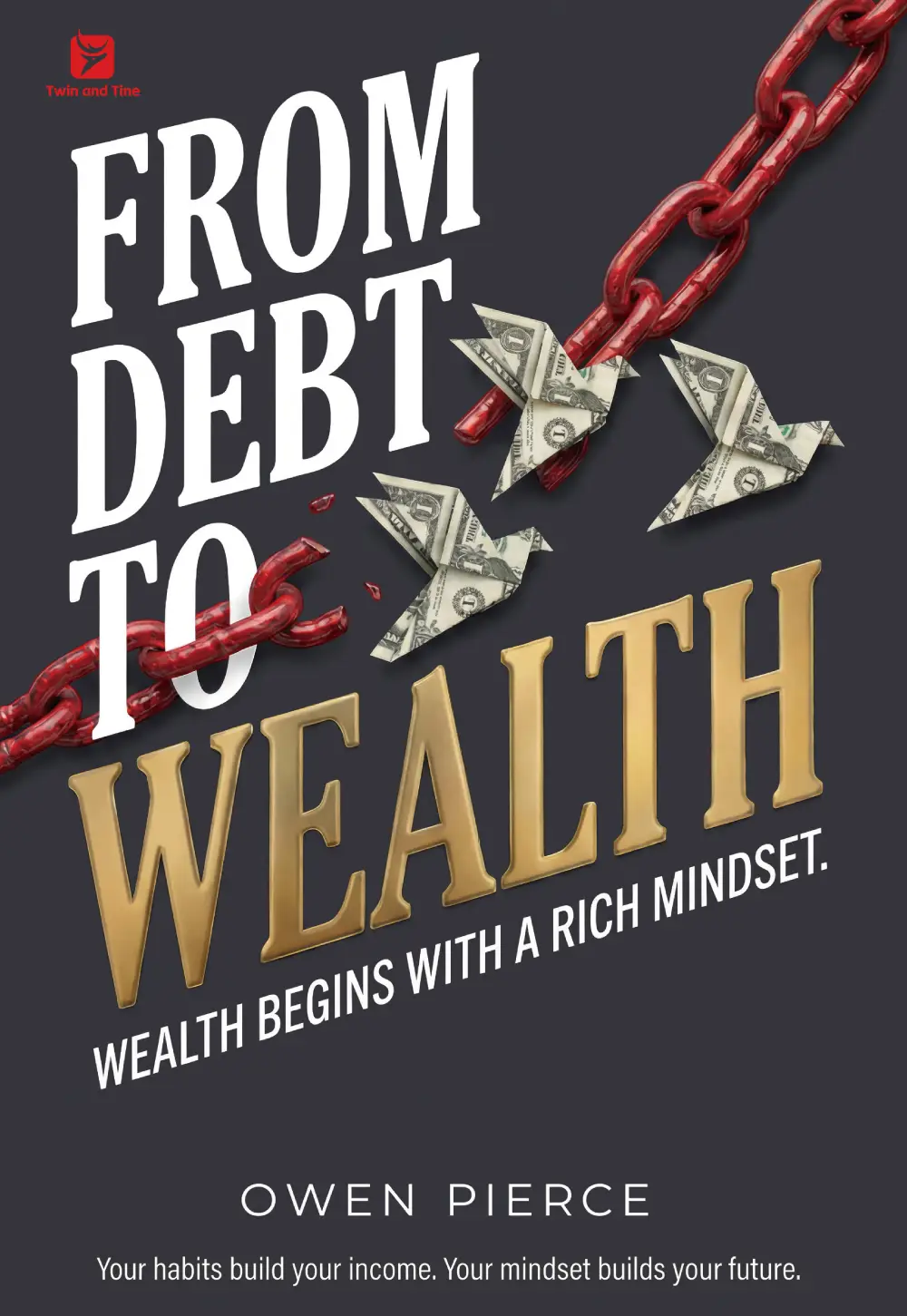
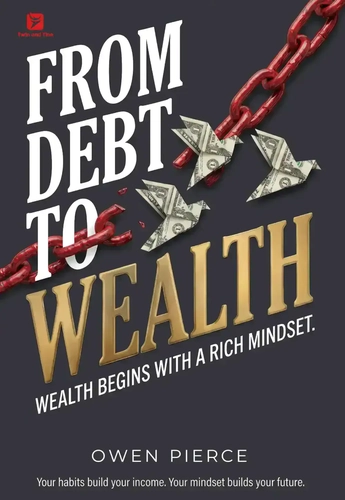
1. From Debt to Wealth by Owen Pierce
The mindset shift that comes before any investment.
Before you can invest, you need to understand what money is actually for. Most people see money as something to spend or save. Pierce argues that money is a tool—and tools need to be used correctly to build anything.
The book covers why most people stay stuck in the earning-spending cycle. Why luxury is often a trap. Why the poor seek comfort while the wealthy embrace discomfort. Why the fastest path to financial freedom is not a bigger paycheck—it is a better system.
It is not about stock picking or trading. It is about why you need to invest in the first place, and what needs to shift in your thinking before any investment strategy will work.
For anyone who is not sure why they should invest—or why they have not started yet.
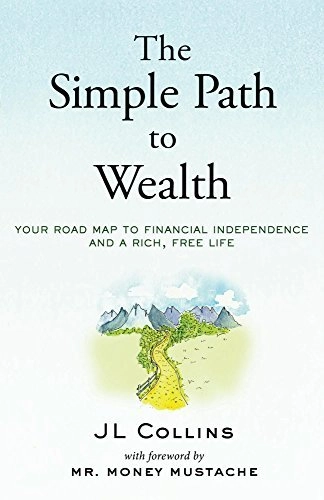
2. The Simple Path to Wealth by JL Collins
Investing advice so simple anyone can follow it.
Collins wrote this book for his daughter. He wanted her to understand how to build wealth without spending her life watching the stock market. His argument is straightforward: you do not need to be an expert. You need to understand a few things and do them consistently.
The book focuses on index fund investing. Low-cost. Diversified. Automatic. He explains why most people fail at investing—they try to time the market, chase returns, and let emotions drive decisions. The solution is to automate the process and never look at your portfolio.
For anyone who wants investing advice that is simple enough to actually follow.
3. The Psychology of Money by Morgan Housel
Why behavior matters more than knowledge.
You probably know what you should do with money. Save more. Invest consistently. Spend less. The problem is not knowing. The problem is doing.
Housel’s book is about the psychology behind financial decisions. Why we compare ourselves to others. Why we take unnecessary risks. Why we struggle to save. Why we think short-term when wealth rewards long-term thinking. It is not a how-to book. It is a why-we-do-what-we-do book. And understanding that is the foundation for every other book on this list.
For anyone who knows what to do but cannot seem to actually do it.
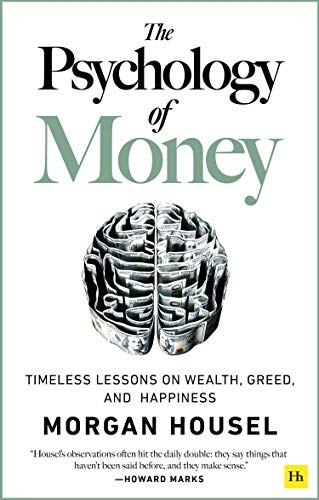
These three books take you from mindset to strategy to psychology. Pierce gives you the foundation for why investing matters. Collins gives you the simplest possible strategy. Housel helps you understand yourself well enough to stick with it.
Read them in that order. Start with the why. Then learn the what. Then understand yourself enough to stay the course.
Frequently Asked Questions
How much money do I need to start investing? Less than you think. Many apps let you start with $5 or $10. The important thing is not the amount—it is the habit.
What if the market drops right after I start? It will drop at some point. That is normal. The people who make money are the ones who keep investing during the downs.
Do I need to pick individual stocks? No. Index funds give you a slice of the entire market—so you do not have to guess which company will win.
| Best for | |
|---|---|
| From Debt to Wealth | Understanding why investing matters |
| The Simple Path to Wealth | The simplest possible strategy |
| The Psychology of Money | Staying the course when it gets hard |