You know someone like this.
They pull away when things get close. They disappear when you need them most. They are warm one day, distant the next. You try to get closer. They move further away. You give them space. They never come back.
It is confusing. It is exhausting. And you keep wondering: what did I do wrong?
The answer is not about you. It is about how they are wired.
Attachment avoidant people learned early that depending on others is not safe. They built walls to protect themselves. Those walls kept them safe then. They keep people out now.
If you want to stop taking it personally and start understanding what is actually happening, these three books will help.
3 Books That Help You Understand and Navigate Avoidant Attachment
1. How to Read Someone’s Mind by Miles Carter
What are their signals telling you—and what are you missing?
Avoidant people do not announce their walls. They show them through subtle patterns. A shift in tone when you bring up something personal. A hesitation before answering a direct question. A body that leans away while their mouth says “I’m fine.” A pattern of inconsistency that leaves you confused.
Carter’s book trains you to see these signals. It breaks reading people into four dimensions: the face, the body, the voice, and the context. You learn to combine what you see with where you see it.
A single cold moment means nothing. A pattern of emotional distance tells you something real. Once you learn to see the patterns, you stop wondering what you did wrong—and start seeing what is actually happening.
For anyone who keeps wondering why someone they care about keeps pulling away.

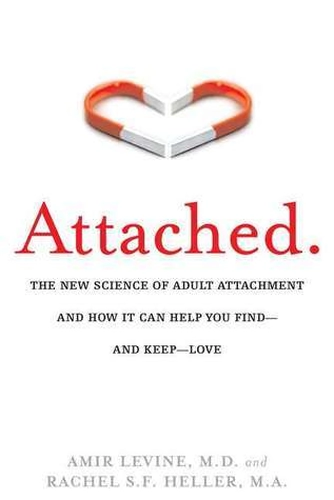
2. Attached by Amir Levine and Rachel Heller
What is actually going on inside their head?
Levine and Heller explain attachment styles in a way that finally makes sense. Secure people are comfortable with closeness. Anxious people worry about being abandoned. Avoidant people pull away when things get too close.
This last group is the one you are dealing with. Avoidant people do not pull away because they do not care. They pull away because closeness feels like a threat. They have learned that depending on people leads to disappointment. So they keep people at a distance. They protect themselves from what they fear most: being let down.
The book explains why anxious and avoidant people are often drawn to each other—and why that combination is so painful. It gives you a language for what is happening and why it keeps repeating.
For anyone who keeps getting trapped in the same exhausting cycle.
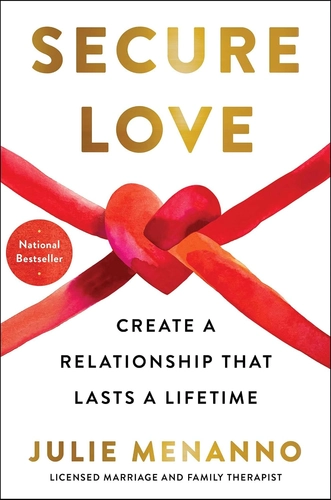
3. Secure Love by Julie Menanno
What do you do when you cannot change them—but you still want to stay?
You understand why they are avoidant. You see the pattern. Now you have a harder question: what do I actually do?
Menanno’s book is about building secure relationships, even when attachment styles clash. It gives you practical strategies for communicating with someone who tends to shut down. How to express your needs without making them feel attacked. How to create safety instead of pressure. How to know when to stay and when to walk away.
This is not about changing someone who does not want to change. It is about protecting your own emotional health while staying connected—and knowing when the connection is no longer worth the cost.
For anyone who is tired of chasing someone who keeps running.
These three books each help you see avoidant attachment differently. Carter teaches you to read the signals so you stop blaming yourself. Levine and Heller explain the psychology behind the behavior. Menanno gives you the tools to navigate the relationship without losing yourself.
| Best for | |
|---|---|
| How to Read Someone’s Mind | Reading the signals of avoidance in real time |
| Attached | Understanding the psychology behind avoidant behavior |
| Secure Love | Practical tools for navigating the relationship |
Frequently Asked Questions
Why do avoidant people act so hot and cold?
Because closeness triggers their fear of being trapped, and distance triggers their fear of being alone. The cycle is not about you. It is about the war inside them.
Is it possible to have a healthy relationship with someone avoidant?
Yes, but only if they are willing to work on their patterns. You cannot fix them. You can only support them while protecting yourself.
What is the biggest mistake people make with avoidant partners?
Chasing them. The more you chase, the more they run. The counterintuitive truth: creating safety means giving space.