I got passed over for a promotion last year. Not because I was bad at my job. I was good at it. Maybe too good. I was the person who got things done. I answered every email within an hour. I solved every problem the moment it landed on my desk. But when the leadership role opened up, they gave it to someone who had been there half as long as I had.
I was confused. Then I was angry. Then I sat down with my manager and asked her why. Her answer stayed with me. She said, “You are great at solving today’s problems. We needed someone who could see next year’s.”
That was the day I realized I had been working hard without working smart. I had been tactical. I had never been strategic.
Quick Answer: How does strategic thinking work in life?
Strategic thinking means stepping back from the immediate task, asking what really matters long term, and making decisions that serve that bigger picture, not just today’s crisis.
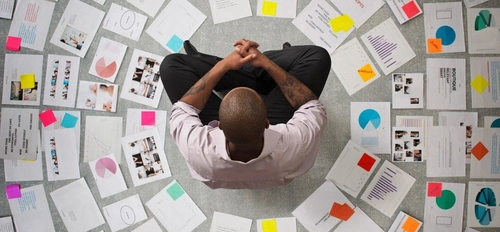
What Strategic Thinking Actually Is
Strategic thinking is not about being the smartest person in the room. It is about seeing beyond the immediate task.
It means analyzing situations. Considering different perspectives. Planning actions that line up with bigger goals.
A licensed psychotherapist named Dr. Noah Kass puts it simply. Strategic thinkers focus on the process of making decisions, not just the decision itself. That distinction matters. Most of us rush to the answer. Strategic thinkers slow down and ask better questions first.
Why It Matters More Than You Think
In a fast-changing workplace, the people who thrive are not the ones who work the hardest. They are the ones who can adapt, anticipate, and align their work with what actually matters.
Strategic thinking helps you manage resources, solve problems in new ways, and see the connections between what you are doing today and where you want to be tomorrow.
It also protects you. When you understand the bigger picture, you stop reacting to every small fire. You start choosing which fires are worth your energy.
The Core Parts of Strategic Thinking
There are a few pieces that work together.
Vision. Knowing where you want to go, both personally and professionally. Figuring out what matters most and focusing there.
Analysis. Looking at data, trends, and resources. Understanding both the current situation and future possibilities.
Creativity. Finding new solutions. Thinking about problems in ways others have not.
Planning. Turning insights into action. Breaking big goals into manageable steps.
Adaptability. Adjusting when circumstances change. Because they always do.
Strategic vs Tactical: What Is the Difference?
Tactical thinking is about the short term. It is the how and the what that needs to happen right now. It is essential. But it is not enough.
Strategic thinking looks at long-term goals. It considers how today’s decisions will shape tomorrow. It is the high-level map, not the daily route.
Think about a work project. Tactical thinking organizes the schedule, assigns tasks, monitors progress. Strategic thinking asks whether this project should exist at all, and how it fits into the company’s direction.
You need both. But most people only practice one.
How to Build This Skill
You do not need an MBA to think strategically. You need a few habits.
Ask bigger questions. What are the broader goals here? How does this task connect to them? What could happen in the future, and how can I prepare now?
Watch for trends. Read industry news. Follow leaders in your field. Pay attention to shifts that could affect your work. Understanding the direction things are moving helps you anticipate instead of react.
Make time to reflect. Set aside time each week to look at what you did and what you learned. What went well? What would you do differently? Reflection turns experience into wisdom.
Seek other viewpoints. Talk to people outside your team. Ask how they see the situation. Strategic thinkers are not the loudest voices. They are the ones who listen to the most perspectives before deciding.
Invest in learning. Take a course. Find a mentor. Read books that stretch your thinking. Strategic thinking is a skill, and skills grow with practice.
What Gets in the Way
A few things block strategic thinking for most of us.
Lack of time is the biggest one. When you are buried in daily tasks, it feels impossible to step back. But that is exactly when you need to. Even fifteen minutes a week helps.
Short-term focus is another. When everyone around you is obsessed with immediate results, it is hard to think ahead. You can push back by asking one question in meetings. “How will this affect us in a year?”
Silos are the third. When teams work in isolation, nobody sees the full picture. Cross-team conversations fix this. They also make work more interesting.

What I Learned After That Promotion
I did not get that job. But I got something more useful. I learned that working hard is not the same as working well. I learned that the people who move up are not always the most talented. They are the ones who can see around corners.
I started asking bigger questions. I started blocking time to think, not just do. I started talking to people outside my team, just to understand what they were seeing.
A year later, I got a different role. A better one. Not because I worked harder. Because I finally understood what I was working toward.
FAQ
Is strategic thinking only for leaders?
No. It helps at every level. Even if you are not managing anyone, thinking strategically makes your work more effective and your decisions more grounded.
How long does it take to get better at this?
It is a gradual skill. You can see small shifts in weeks if you practice. Real change takes months. The key is consistency.
What is the first step?
Ask one bigger question today. How does what I am doing connect to what matters most? That single question starts the shift.
Can strategic thinking hurt you at work?
Only if it turns into endless planning without action. Strategy without execution is just daydreaming. Balance both.
One Last Thing
That conversation with my manager stung. But it was a gift. It showed me a blind spot I did not know I had.
Strategic thinking is not about being smarter than everyone else. It is about seeing further. Asking better questions. Making choices that serve the life you are actually trying to build.
You can start today. One question. One pause. One step back.
References
- Kass, N. Interview on strategic thinking. The Muse.
- American Psychological Association. “Decision-Making.” APA Dictionary of Psychology.
- Goleman, D. Focus: The Hidden Driver of Excellence. Harper, 2013.

