I was standing in line at the grocery store when the cashier closed her register without a word. My jaw tightened. Heat bloomed across my chest. For a solid three seconds, I wanted to snap. But I didn’t. I took a breath and switched lanes. I remember thinking, That wasn’t worth borrowing 20 minutes of rage over.

You know that feeling. Something small lights a match, and suddenly you’re furious at everything. Learning how to avoid getting angry easily isn’t about pretending you’re always calm. It’s about catching the match before the whole box ignites.
Anger is a normal emotion—until it starts controlling you. Everyone feels angry sometimes. It’s a natural, healthy emotion that alerts us when something feels unfair, unsafe, or out of control. But when anger becomes explosive, constant, or directed at the wrong person, it can cause real damage. If you’ve ever said, “I just can’t control it,” you’re not alone. Anger is one of the most misunderstood emotions. The good news: you can learn to manage it. Through awareness, simple techniques, and, when needed, professional support, anger can become a signal you respond to, not a reaction that rules you.
Here are five things that started helping me, and they might help you too.
Why Do I Get Angry So Easily?
Anger rarely shows up out of nowhere. It often hides something deeper: fear, hurt, frustration, or a feeling of powerlessness. You snap at your partner, but underneath, you’re exhausted from a sleepless night. You rage at slow traffic, but really, you’re worried about being late for a meeting that already makes you anxious.
Knowing why anger surfaces is the first step to changing how you express it. Common causes include unrealistic expectations of yourself or others, feeling unheard or dismissed, stress, anxiety, sleep deprivation, and past experiences you haven’t fully processed. When you start paying attention, you’ll notice patterns. One woman I know realized she always got angry right before a big work deadline—not because her colleagues were incompetent, but because she was terrified of failing. That insight alone helped her pause and say, “This isn’t really about them.”
The most-searched version of this question is: Why do I get angry so easily? The answer lies in your triggers—the situations, words, or memories that set your anger in motion. Start noticing when you usually get angry, what happened just before, and the physical sensations you feel, like a tight chest, clenched jaw, or racing pulse. Write them down for a week. Patterns emerge fast, and knowing your triggers doesn’t make you weak—it gives you power to plan your response.
How to Avoid Getting Angry Easily: 5 Steps That Work
These aren’t magic. They’re small, repeatable moves that interrupt the anger spiral. I’ve used all of them. Some days I nail it. Other days I still need to apologize. That’s okay.
1. Name the feeling before it owns you
The moment you notice your heart beating faster or your thoughts turning sharp, say to yourself, I’m starting to get angry. This simple act of labeling interrupts the automatic chain. Your brain’s prefrontal cortex gets a tiny chance to step in. Think of it as calling the fire department before the house burns down.
2. Buy yourself 10 seconds
You don’t need a full meditation. Just pause. Count to ten slowly, or take one deep breath that lasts longer than the inhale. I learned the 4-2-6 breath: inhale for 4 counts, hold for 2, exhale for 6. It feels too simple to work, but it slows your heart rate enough to make a different choice. That 10-second gap is where you reclaim the steering wheel.
3. Ask what’s underneath
Anger is often a secondary emotion. Underneath, you might find fear, sadness, or shame. When you feel the heat, ask yourself quietly: What’s really bothering me? I’ve snapped at my partner over dishes, only to realize I was actually worried about money. Voicing the real thing, even just to yourself, drains the anger of its urgency.
4. Move your body, even a little
Anger gives you a jolt of energy. If you don’t channel it somewhere safe, it spills out as words or actions you’ll regret. Stand up. Walk to the other room. Shake out your hands. I keep a stress ball on my desk; squeezing it for 30 seconds gives me a physical release without anyone noticing. Exercise isn’t an escape—it’s a way to process the adrenaline so you can think more clearly.
5. Reframe the story you’re telling yourself
When you’re angry, your mind writes a dramatic script. He always ignores me. She never listens. This is so unfair. Challenge it gently. Is it 100% true? Could there be another explanation? Try replacing the thought: Maybe she’s distracted because she’s stressed too. I don’t need to match this energy. Changing your inner language slowly rewires your emotional responses.
The central skill in learning how to avoid getting angry easily is recognizing the moment your body shifts from calm to charged. None of these steps require perfection. Just one of them, done consistently, starts to break the pattern.
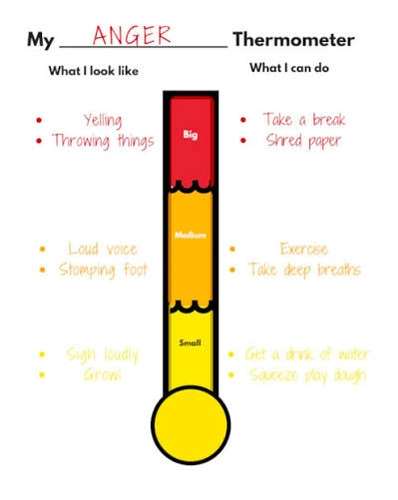
The “Stop, Breathe, Name” Method
You need a routine that fits into the tiny window between trigger and outburst. I call this the Stop, Breathe, Name method. It works because it’s so stupidly simple you can do it anywhere: in a meeting, at the dinner table, in rush-hour traffic.
Stop. Right when you feel the heat, stop talking. If you can, stop moving. Just a freeze-frame second.
Breathe. Take one slow breath in through your nose, out through your mouth. Let the exhale be longer.
Name. Silently say what’s happening. “Anger. Frustration. Tightness.” You don’t need to analyze it.
I practiced this first in low-stakes situations, like when a video buffered or my coffee spilled. It felt ridiculous. But after a couple of weeks, I started using it in harder moments. One morning my teenager left a mess in the kitchen—again. I felt the familiar surge. I stopped. Breathed. Named it: “Disappointment and exhaustion.” Then I said, “We’ll talk about this after school. I’m too tired to be helpful right now.” It wasn’t perfect, but it didn’t become a shouting match. That’s a win.
When Anger Keeps Coming Back
Sometimes anger isn’t about the moment at all. If you find yourself losing your temper frequently, regretting how you speak, or feeling anger physically in your body—tightness, headaches, fatigue—it might be time to look deeper. Anger can stem from past emotional neglect, ongoing stress, or even depression. No shame in that. Think of it like a check-engine light. It’s just data.
A few practical long-term habits help lower your overall “anger baseline.” Move your body regularly; exercise burns off stress hormones. Sleep well; fatigue makes irritability worse. Write your thoughts down; journaling reveals patterns you miss in the moment. And set small boundaries. You can say no without guilt. These aren’t substitutes for professional help if you need it, but they create a buffer so you’re not always starting from zero.
If someone you love struggles with anger, empathy goes further than lectures. You might say, “I can see you’re upset—let’s take a break and talk later.” Anger thrives on conflict; it softens with understanding. Encouraging them to spot their own triggers can be a gentle gift.
FAQ: How to Avoid Getting Angry Easily
Q: What are simple ways to avoid getting angry easily?
A: Start by noticing your physical warning signs, like a tight chest or shallow breathing. Then use a quick pause—counting to ten or taking a deep breath—to interrupt the reaction. Ask yourself what’s really underneath the anger, and reframe the story you’re telling yourself. Even one small shift each day builds the habit.
Q: How can I control anger fast when I feel it rising?
A: Stop speaking immediately. Take one slow exhale that lasts longer than the inhale. Name the emotion silently: “I’m feeling anger.” If possible, step away for five minutes. The goal isn’t to suppress the feeling but to create enough space so you choose a response instead of exploding.
Q: Why do I get angry so easily over small things?
A: Small things often touch a bigger wound—feeling disrespected, powerless, or unseen. While the trigger is minor, the emotional load behind it isn’t. Tracking patterns can reveal the real source. Sleep deprivation, chronic stress, and unmet needs also lower your tolerance, making small annoyances feel unbearable.
Q: What are some long-term habits to reduce anger?
A: Regular physical activity, quality sleep, journaling, mindfulness practice, and clear personal boundaries all lower your baseline tension. When anger is frequent or intense, a therapist can help you uncover deeper causes and build personalized strategies.
One Last Thing
I still get angry. I still feel the flash of heat when something unfair happens. But I no longer believe the anger is the whole truth. It’s a signal, not a sentence. That’s the real secret to how to avoid getting angry easily: it’s a practice, not a destination. You can let the emotion arrive, hear what it’s trying to say, and then let it go—without becoming someone you don’t recognize. That’s freedom disguised as self-control.
