You know the feeling. You check your account. There is enough to cover the bills, but not much more. An unexpected repair or a medical bill could push you into a tight spot. You are not in crisis—but you are not secure either.
Financial stability does not start with a budget. It starts with a shift in how you see money. Once that shift happens, the actions become obvious. Here are three books that guide you through the process.
From Debt to Wealth by Owen Pierce
You cannot become stable by using the same thinking that kept you unstable.
Pierce argues that most people stay stuck not because they earn too little, but because they see money the wrong way. A salary feels like security but often keeps you dependent. Luxury is frequently a display of money you do not have. Comfort is the enemy of growth.
The book shows you how to replace those mental patterns with ones that actually work. It covers how to stop the paycheck-to-paycheck cycle, how to understand the difference between assets and liabilities, and how to begin building a base that does not disappear at the end of each month. Once you see money differently, the right actions follow naturally.
If you have ever wondered why you earn more than before but still feel financially unstable, this book explains what is missing.
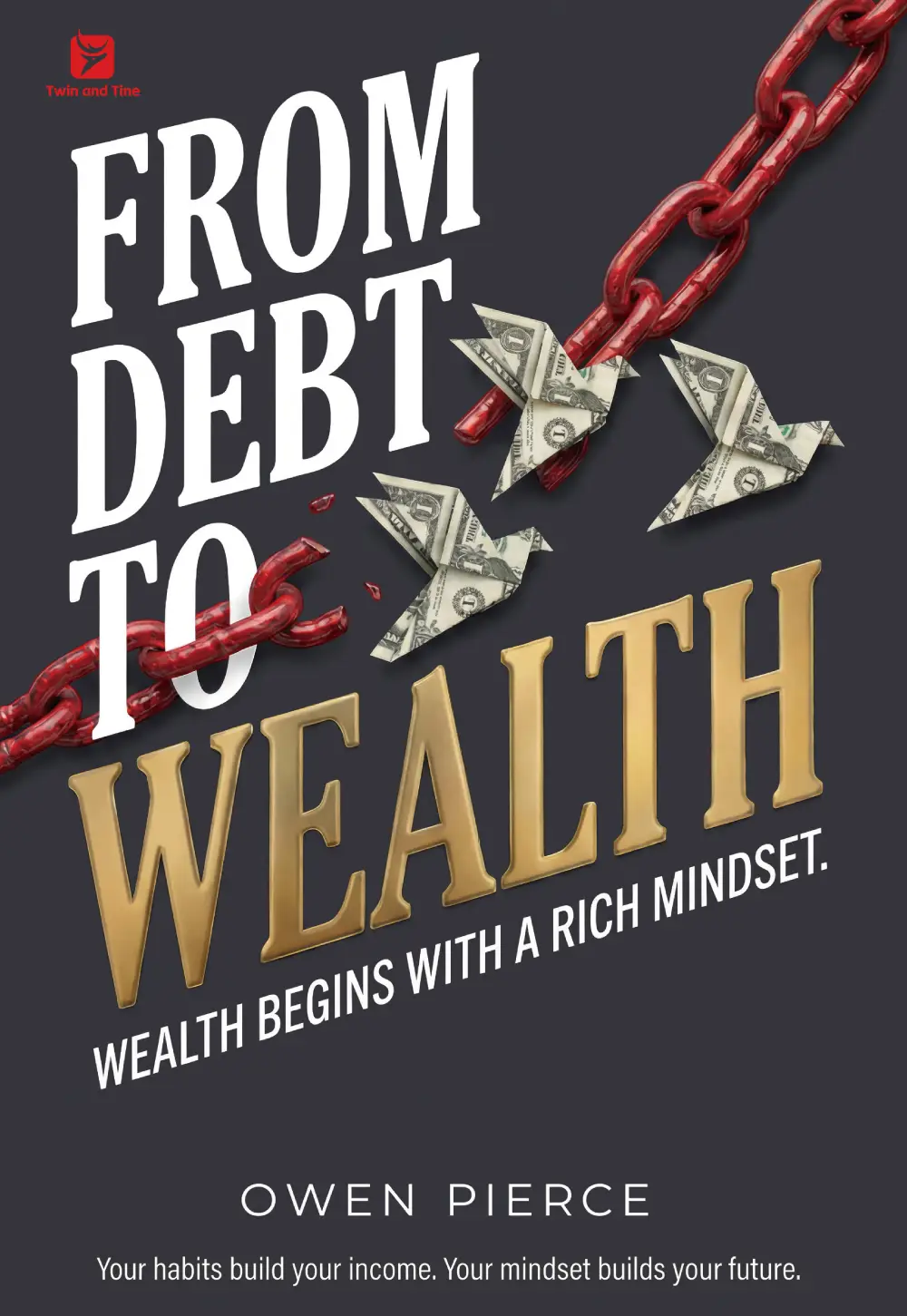
From Debt to Wealth
Owen PierceA money framework for people stuck in the paycheck-to-paycheck cycle. Understand why your income never feels like enough — and how to break out.
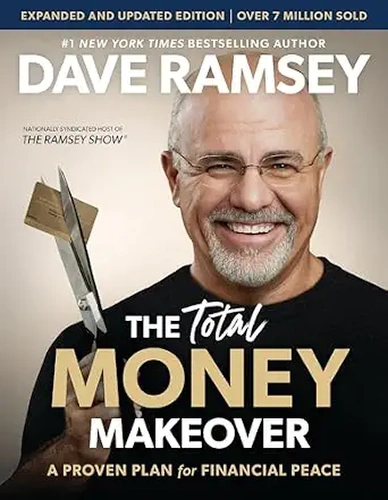
The Total Money Makeover by Dave Ramsey
Ramsey gives you a clear, step-by-step system for getting out of debt and building emergency savings. His approach is straightforward: list your debts, pay the smallest first, build a $1,000 starter emergency fund, and work your way up. It is not complex. It is designed to be followed.
If you need a concrete plan to get from where you are to stable, read this.
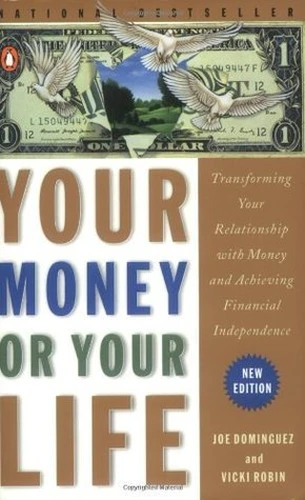
Your Money or Your Life by Vicki Robin and Joe Dominguez
This book reframes money as life energy—the time and effort you trade to earn it. It includes a simple system for tracking your spending and evaluating whether each purchase is worth the life energy you exchanged for it. Once you see the trade clearly, you start spending on what actually matters.
If you need to reset your relationship with money at a fundamental level, read this.
Where to start
Ramsey gives you the system. Robin and Dominguez give you the deep reframe. Both are useful.
But Pierce gives you something neither does: the cognitive foundation that makes the system work. Ramsey’s plan will not stick if you still see money the wrong way. Robin and Dominguez’s reframe lands better once you understand why you developed your current patterns in the first place.
Read the others if you want. They are useful. But start with Pierce—because you cannot build stability on a shaky mental model.
Three books on financial stability. One gives you the mindset. One gives you the system. One gives you the deep reframe. Start with the one that makes the rest possible.
Frequently Asked Questions
How long does it take to become financially stable?
It depends on your starting point, but most people see noticeable progress within a few months of applying these frameworks. Stability is not about reaching a specific number. It is about having enough buffer that unexpected expenses no longer feel like emergencies.
Is this just about getting out of debt?
Stability includes debt management, but it is also about building a buffer and changing the behaviors that kept you unstable. The books cover debt, saving, spending habits, and the mindset behind all of them.
