
Independence is often described as a skill. Something you learn, practice, and get better at over time. But for many people, it is not a skill that was ever encouraged.
You may have been taught to be agreeable. To avoid conflict. To keep the peace by keeping your needs small. And somewhere along the way, you learned to wait—for permission, for approval, for someone else to decide what your life was allowed to look like.
If you have been asking yourself how to become more independent, you are probably not looking for a list of habits. You are looking for a way out of that waiting room.
What Independence Actually Means
Most people confuse independence with isolation. They imagine someone who does not need anyone, who never asks for help, who handles everything alone.
That is not independence. That is avoidance.
Real independence is quieter. It is the ability to make decisions without needing everyone to agree. It is the willingness to disappoint people when your values require it. It is the confidence to stand in a room and know that you belong there—not because someone invited you, but because you decided.
Independence is not about doing everything yourself. It is about not outsourcing your life to other people’s expectations.
Why You Learned to Depend on Others
Most people who struggle with independence learned to depend on others early. Not because they were weak, but because it was safer.
Maybe you grew up in an environment where disagreement had consequences. Maybe you learned that keeping the peace was more important than speaking your mind. Maybe you were praised for being easy, agreeable, and low-maintenance—and you internalized the message that your value came from not being difficult.
These patterns are not flaws. They are survival strategies. They helped you get through situations that were not safe to challenge.
But survival is not the same as living. And the strategies that kept you safe once may be keeping you small now.
How to Become More Independent: 4 Shifts That Change Everything
1. Practice Disagreeing Without Apologizing
Most people who struggle with independence have a complicated relationship with disagreement. They either avoid it entirely or over-explain their position until the other person feels exhausted.
Start small. In a conversation, state your opinion without adding “but I could be wrong” or “I’m not sure though.” Let it stand. You do not have to win the argument. You just have to let your voice exist.
2. Make a Decision Without Seeking Approval
Pick something small. A movie you want to watch. A restaurant you want to try. A weekend plan that sounds good to you and no one else.
Make the decision. Do not ask for permission. Do not check if everyone else is on board. Just decide, and let that decision be enough.
This will feel uncomfortable. That discomfort is not a sign you are doing something wrong. It is a sign you are exercising a muscle that has been underused.
3. Stop Explaining Your Choices
Independence is not just about making decisions. It is about letting those decisions stand without a defense.
You do not owe anyone a paragraph explaining why you chose the job, the relationship, the haircut, or the way you spend your Sunday. A short sentence is enough. “This is what works for me.” “I’ve decided.” “I’m comfortable with this.”
The more you explain, the more you signal that your choices are open to debate. They are not.
4. Let People Be Disappointed
This is the hardest shift. Many people who struggle with independence are more afraid of disappointing others than of disappointing themselves.
But here is what you learn when you stop managing everyone’s expectations: disappointment is survivable. People adjust. They figure it out. They do not fall apart because you made a different choice.
And if they do fall apart—if someone punishes you for having a life that does not revolve around them—that is not a sign you did something wrong. It is a sign that the relationship was built on your compliance, not your connection.
When Independence Feels Like a Threat
You can know all of this and still find yourself slipping back into old patterns. That is not failure. It is how change works.
But sometimes the reason independence feels so threatening is deeper than habit. It is tied to the belief that your value depends on being needed. That your worth is measured by how much you give, how much you accommodate, how much you shrink.
That belief does not disappear just because you decide to change. It needs to be seen, examined, and slowly rewritten.
And this is where The Awakened Woman’s Game Code by Grace Willow comes in.
How The Awakened Woman’s Game Code Helps You Build Independence
This is not a book about learning to be alone. It is not about becoming cold or pushing people away. It is about something much more useful: understanding why you have been waiting for permission—and choosing differently.
Grace Willow writes for the woman who has spent years being “good.” The one who learned how to be loved but never learned how to be valued. The one who became an expert at being needed, and a stranger to herself.
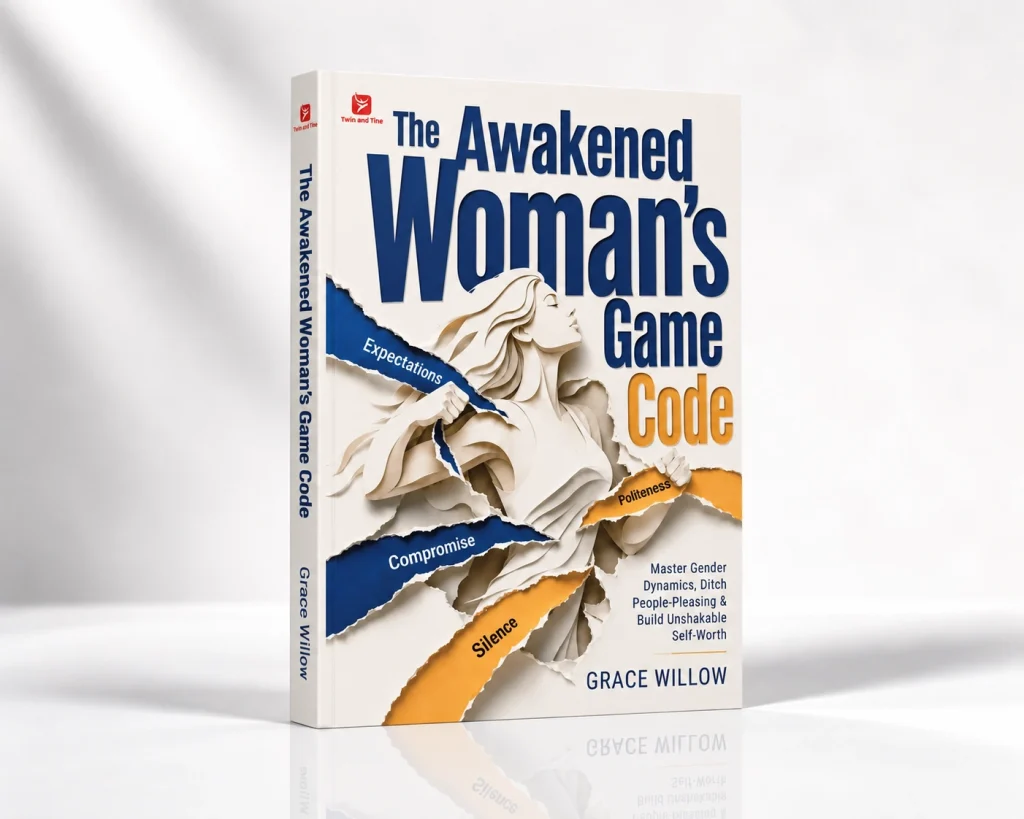
The book does not tell you to demand independence. It shows you how to build it—by understanding the patterns that keep you dependent, recognizing the cost of always being available, and learning to stand in your own life without waiting for someone else to validate it.
What makes this book different is its focus on self-possession. It examines why being wanted is not the same as being chosen. It looks at how people-pleasing and the fear of disappointing others quietly erode your sense of self. And it offers a framework for recognizing these patterns before they cost you too much.
If you have been trying to become more independent by simply trying harder, this book offers a different way. Not more effort. A shift in how you see yourself.
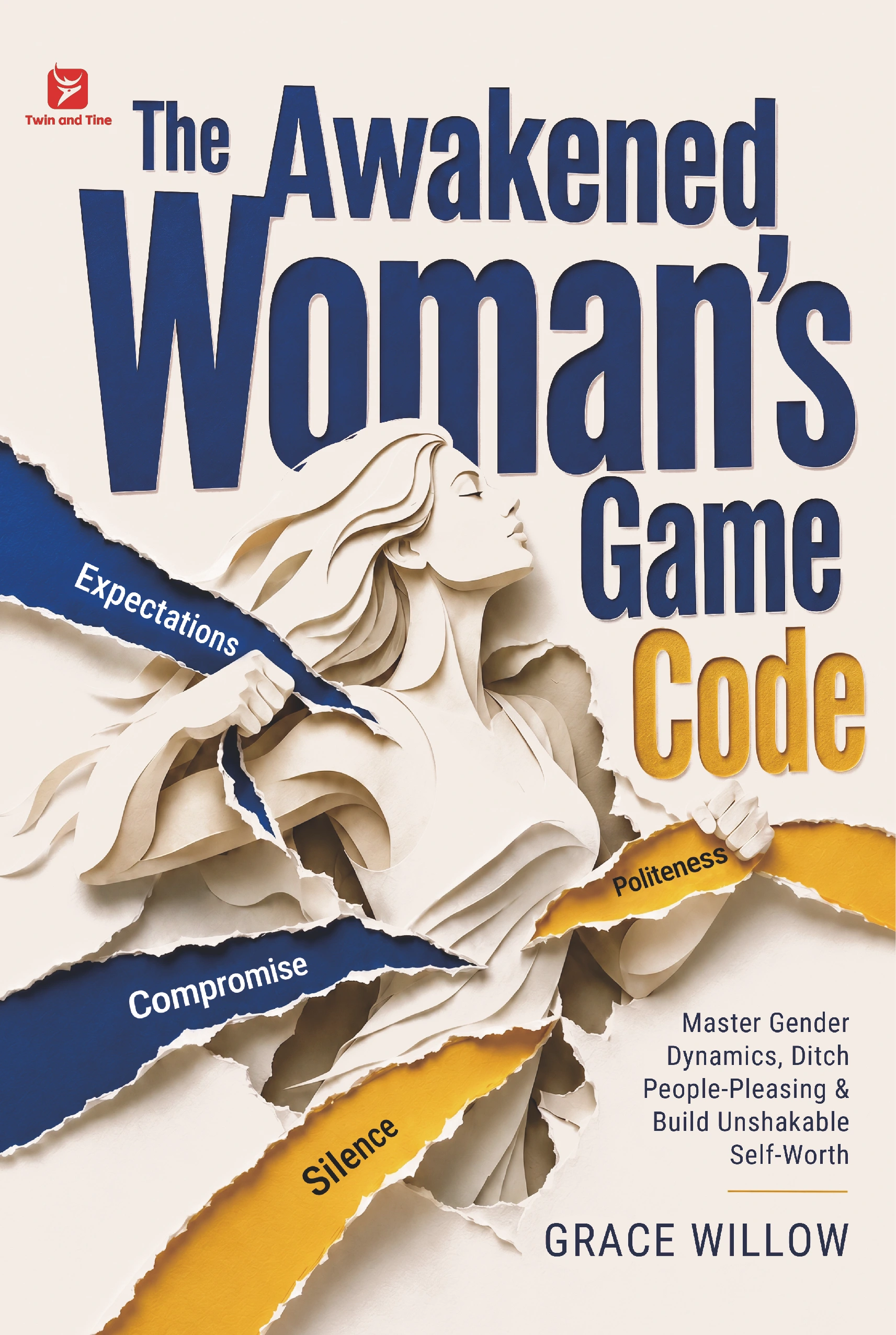
The Awakened Woman’s Game Code
Grace WillowBeing loved isn’t enough if you’re not respected.
Learn the hidden rules of attraction, boundaries, and relationship dynamics, and stop making yourself easy to take for granted.
Final Thoughts: A Summary on How to Become More Independent
Independence is not about doing everything alone. It is about no longer outsourcing your life to other people’s expectations.
Practice disagreeing without apologizing. Make a decision without seeking approval. Stop explaining your choices. Let people be disappointed.
If you are ready to go deeper, The Awakened Woman’s Game Code by Grace Willow offers a clear, honest guide to understanding the patterns that keep you dependent—and building a sense of self that does not need permission.
FAQ: Becoming More Independent
Why is independence so hard for me?
Because you may have learned, early on, that your safety depended on being agreeable. Independence requires unlearning that survival strategy.
How do I become independent without pushing people away?
Independence is not isolation. You can be close to people while still making your own decisions and holding your own boundaries.
What if people get upset when I stop seeking approval?
Some will. That is not a sign you did something wrong. It is a sign that the relationship was built on your compliance, not your honesty.
Can independence be learned at any age?
Yes. It is not a personality trait. It is a practice. And like any practice, it develops with time and repetition.
If you found this helpful, these books go deeper into the same themes.




Break the Anxiety Circle
$19.90

From Debt to Wealth
$19.90

