Good communication is not only about having the right intentions. Many people know what they want to say, but struggle to find the right words when conversations become emotional, uncomfortable, or unexpected.
You may want to explain your feelings to someone you care about, but worry that your words will start an argument. You may need to disagree at work, set a boundary with someone, or respond to criticism without sounding defensive. In these moments, communication skills are not just about speaking more – they are about knowing how to express yourself clearly while keeping respect and connection.

The best communication books do not simply tell you to “be honest” or “listen more.” They teach you how to handle real conversations: what to say when emotions rise, how to make your point without creating conflict, and how to respond with confidence.
Here are five books that can help you communicate better and learn what to say in difficult moments.
1. How to Win Friends and Influence People by Dale Carnegie
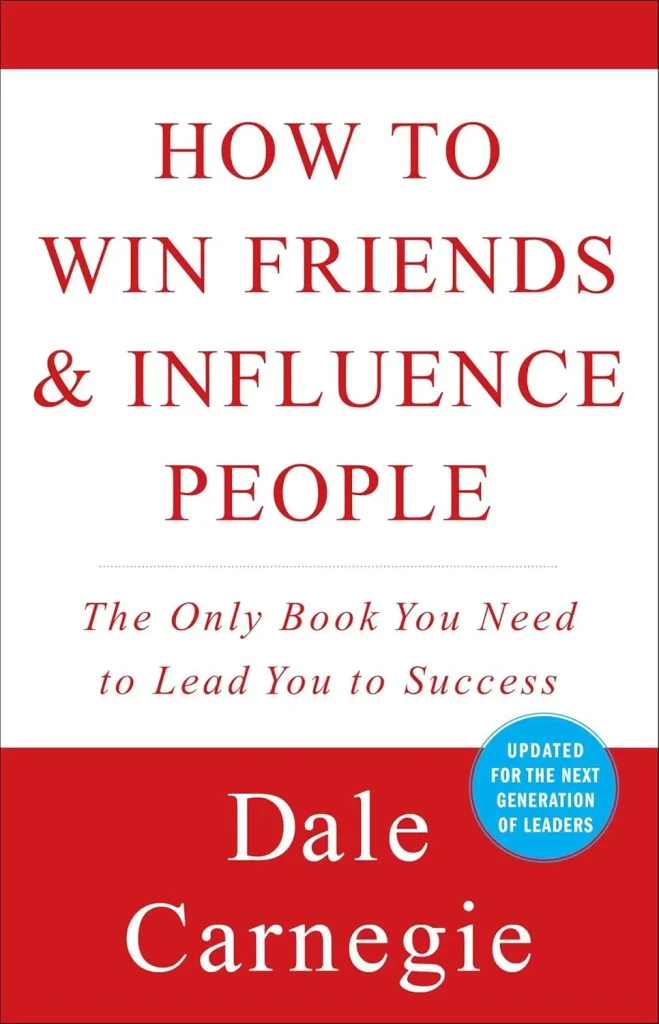
When people talk about improving communication skills, this classic book is often one of the first recommendations because it focuses on a fundamental truth: people respond better when they feel respected and understood.
Dale Carnegie explains how small changes in the way we interact with others can improve relationships. Instead of criticizing, blaming, or trying to prove yourself right, the book encourages readers to approach conversations with empathy and genuine interest.
One of the most valuable lessons from this book is that effective communication is not only about choosing better words. It is also about understanding human emotions and creating an environment where people feel comfortable opening up.
This book is especially useful for anyone who wants to build stronger relationships, improve social skills, or communicate more naturally with others.
2. Say It Right Every Time by Miles Carter
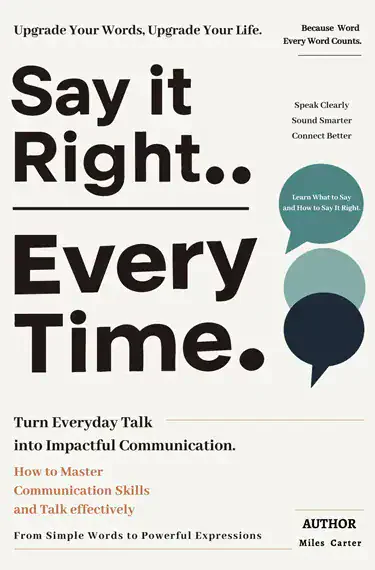
Many communication problems do not happen because people do not care. They happen because people do not know how to express what they really mean.
You may want to set a boundary but worry about sounding rude. You may want to disagree but fear creating tension. You may want to respond to criticism but find yourself becoming defensive or silent.
Say It Right Every Time focuses on these everyday communication challenges by showing readers how to replace reactive expressions with calmer, more mature responses.
The book includes more than 115 practical conversation examples and 15 communication frameworks covering situations such as:
- Expressing your thoughts during disagreements
- Responding to criticism without becoming defensive
- Setting boundaries without unnecessary conflict
- Handling rude comments and difficult conversations
- Communicating professionally at work
Instead of only explaining communication principles, this book gives readers actual phrases they can use in real situations. It helps bridge the gap between knowing what good communication looks like and actually practicing it.

Say it Right..Every Time.
Miles CarterPractical communication tools for the moments that matter — say what you mean, calmly and confidently.
3. Crucial Conversations: Tools for Talking When Stakes Are High by Kerry Patterson, Joseph Grenny, Ron McMillan, and Al Switzler
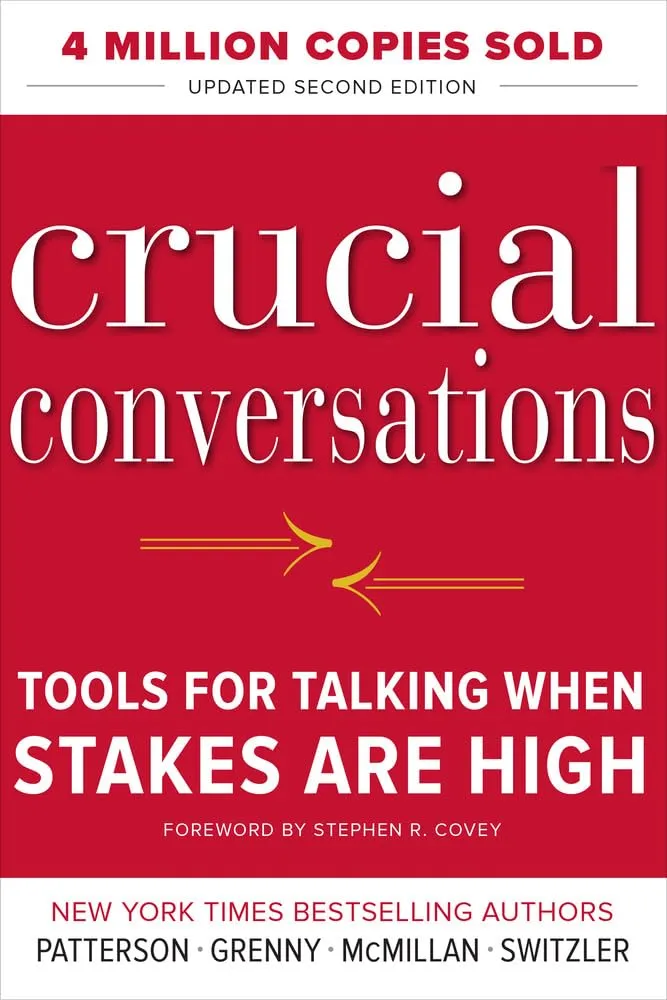
Some conversations become difficult because the topic matters. When emotions are high and the outcome feels important, even simple discussions can quickly become arguments.
Crucial Conversations teaches readers how to handle moments when opinions differ, emotions rise, and relationships are at risk.
The book focuses on staying calm while discussing sensitive topics. It explains how to create safety in conversations, express your views honestly, and keep communication productive even when people disagree.
This is a valuable read for anyone who struggles with difficult conversations at work, in relationships, or with family members. It helps readers understand that strong communication is not about avoiding conflict – it is about handling conflict in a healthier way.
4. Nonviolent Communication: A Language of Life by Marshall Rosenberg
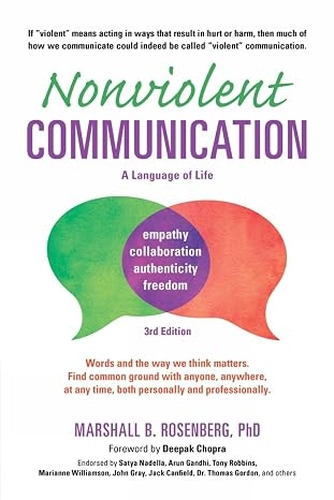
Many arguments begin because people express their frustration before they understand what is happening underneath it.
Nonviolent Communication introduces a communication method based on four steps: observing what happened, identifying feelings, recognizing needs, and making clear requests.
The book helps readers move away from blame-based language and toward communication that creates understanding.
For example, instead of saying “You never listen to me,” someone can learn to express the real issue behind the frustration and explain what they need from the other person.
This approach is helpful for improving communication in close relationships because it encourages honesty without turning conversations into attacks.
5. Difficult Conversations: How to Discuss What Matters Most by Douglas Stone, Bruce Patton, and Sheila Heen
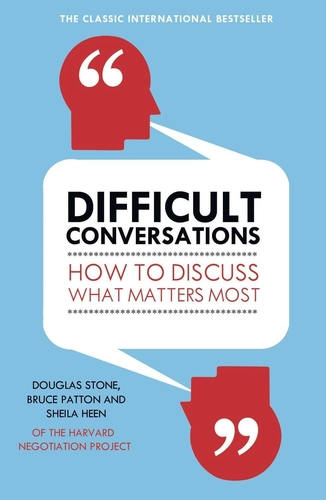
Some conversations are difficult because they involve emotions, misunderstandings, or uncomfortable truths.
Difficult Conversations explores why these moments feel challenging and provides strategies for approaching them with more clarity.
The authors explain that many conflicts are not only about the topic being discussed. They are also connected to identity, emotions, and the stories people create about each other.
This book helps readers look beyond the surface of an argument and communicate in a way that creates more understanding.
Whether you need to discuss a problem with a coworker, address tension in a relationship, or have an honest conversation with someone important, this book provides useful tools for approaching those moments.
A Practical Way to Improve Your Communication Skills
Reading about communication can help you understand why conversations go wrong, but improvement usually comes from practicing what to say in real situations.
If you want a more practical resource focused on everyday conversations, Say It Right Every Time by Miles Carter is designed for exactly that purpose. The book is built around real communication problems people experience every day, offering over 115 examples of how to respond more effectively in difficult moments.
From handling criticism and disagreements to expressing needs and setting boundaries, the book helps readers move from emotional reactions to thoughtful responses. Instead of giving only general communication advice, it provides specific language that can be applied immediately.
For anyone who wants to communicate with more confidence, protect relationships, and handle uncomfortable conversations with maturity, this book offers practical tools that can be used long after reading the final page.
Did this article help you see things differently? Our books turn helpful ideas into practical tools you can return to anytime.


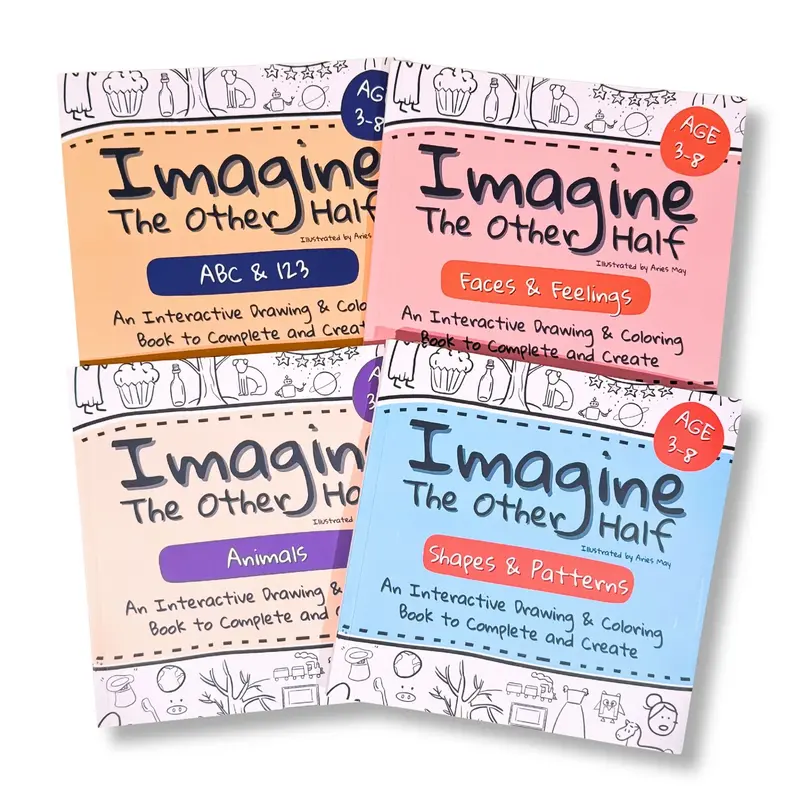
Imagine The Other Half
$24.99

