I was lying on the sofa at 3 p.m., heart pounding, jaw tight. Nothing terrible had happened. Just an ordinary Tuesday, but my mind had already spun a catastrophe reel. I needed to shut it off, but telling myself to “just stop thinking” was like shouting at a thunderstorm. So I reached for something else. Not a fix. A redirect. A small act of mental misdirection. And it worked.
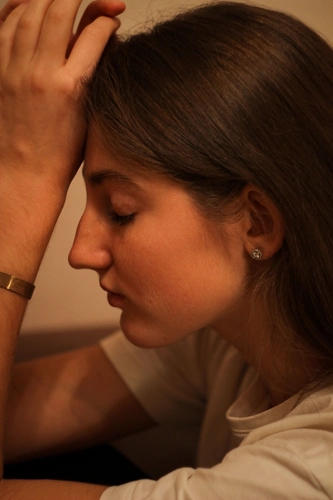
You are not alone. This is normal. Sometimes the most practical response to a wave of anxiety is not to dissect it, but to gently sidestep it. That’s not avoidance speaking—it’s self-preservation. When your nervous system is flooded, a well-chosen distraction can give your body a chance to settle down so you can deal with things later with a clearer head.
Why Does My Brain Urgently Want to Escape When Anxiety Hits?
Anxiety isn’t just overthinking; it’s your brain’s alarm system stuck on high alert. Your amygdala, that little watchtower in your brain, has decided that a spreadsheet deadline or a forgotten appointment is the equivalent of a predator. Your body floods with adrenaline. You feel trapped, and your instinct screams: escape. Distraction isn’t running away from a real threat; it’s stepping out of a false alarm. Think of it like quieting a fire alarm that’s been set off by burnt toast. You’re not ignoring a real fire. You’re telling your nervous system, “We’re safe. We can step outside the panic room.”
For a long time I felt guilty about using distraction. Wasn’t I just avoiding my problems? But I learned something important: the anxious brain can’t process information rationally when it’s drowning in stress hormones. By giving myself permission to do something else for 20 minutes, I wasn’t dodging my life. I was lowering the water level so I could actually see what needed attention. This perspective changed everything.
How to Distract Myself from Anxiety in the Moments I Need It Most
When you’re in the thick of it, complex advice feels useless. You need immediate, tangible switches. After asking our audience what works for everyday anxiety, the overwhelming answer was distraction. We collected their raw, real-life tactics and organized them into a menu you can reach for when your mind is spiraling. The magic isn’t in any single activity. It’s in the simple decision to shift your focus, even if only for the length of a song or a cup of tea.
Here are the 18 ways our community uses to break the thought loop. Pick one—no preparation needed.
- Listen to soothing music. Something familiar, without jarring lyrics.
- Cuddle with pets. Their steady breathing can reset yours.
- Eat your favorite snack or have a cup of tea. The sensory warmth grounds you.
- Take a long walk. Move your body, but without a destination.
- Exercise. “Exercise, exercise, exercise! I can’t go without it.” – Cindy. She’s right; it burns off the adrenaline almost instantly.
- Do yoga. A few simple stretches on the floor can shift attention to your body.
- Play some sports. Even shooting hoops alone gives your mind a target.
- Read a book or magazine. Something light that doesn’t reflect your current worries.
- Writing and journaling. Melanie puts it perfectly: “There are times where I want to let my thoughts out, but I really don’t feel like talking, so I scribble down my thoughts on random pieces of paper, in a notebook I keep in my purse, or whatever paper is near me.”
- Draw or sketch. No skill required; just let your hand move.
- Color adult coloring books. The repetitive motion creates a trance.
- Watch Netflix or other entertaining programs. Melanie adds, “If you want to ‘get lost’ in something and really be distracted, Netflix marathons are awesome.”
- Play video games. Immersion in a world with clear goals eases the mental chaos.
- Practice positive thoughts and visualization. Candy says, “Rather than worry about an uncertain future, I plan and solve problems. If I can’t do that, I think about my happy place (usually at night before sleep) or my next craft project.”
- Get out of the house. Shop, socialize, or simply enjoy the day. A change of scene disrupts the loop.
- Clean. The physical act of ordering your environment orders your thoughts.
- Humor and laughter. A silly meme or a stand-up clip can jolt you out of tension.
- Nap, or lay down for a while. As Jennifer shares, “I retreat to a safe place, sofa or bed, and stay there until I can get back up and function.”
You might notice that none of these require willpower or deep emotional work. That’s the point. They are small physical or sensory shifts that interrupt the anxiety circuit long enough for your rational brain to come back online.
The “Swap and Soak” Ritual to Break a Mental Loop
Distraction works best when you’re not constantly checking whether it’s working. I created a tiny ritual I call Swap and Soak. When I catch myself spinning, I say out loud, “Swap.” That single word initiates a deliberate shift. I pick one soothing activity (the “soak”) and commit to it for 10 minutes without analyzing my anxiety. If my mind wanders back, I gently return to the sensation of what I’m doing—the warmth of tea, the sound of a bird outside. Yes, the thoughts will knock again. That’s fine. I just keep swapping my attention back to the chosen activity. Over time, this builds a mental muscle. The anxiety doesn’t magically vanish, but I’ve learned I can coexist with it long enough to get through the next hour.
A friend once asked me, “Aren’t you just training yourself to avoid everything?” It’s a valid concern. The difference is intention. Avoidance says, “I will never face this.” Distraction says, “I will face this when I’m calm enough to handle it.” The Swap and Soak ritual is a bridge, not a permanent residence. After the 10 minutes, I often find I can revisit the original worry with about 60% less intensity. That’s a win.

When Distraction Isn’t Working: A Few Gentle Adjustments
Sometimes you try a walk or a show and the anxiety follows you like a shadow. That doesn’t mean you’re doing it wrong. It might mean you need a more absorbing activity. If reading doesn’t work, try something that engages your hands and ears simultaneously, such as organizing a drawer while listening to a podcast. The goal isn’t perfection; it’s a slight tipping of the scale toward calm. Also, check if your distraction is accidentally a reminder of your worry. Scrolling social media can often spike comparison anxiety. Choose offline, tactile options when possible.
How Do I Know I’m Using Distraction Healthily?
A healthy distraction has an end. It’s temporary. If you find yourself avoiding work deadlines, relationships, or self-care for days, that’s a clue to reach out for support. But a 20-minute detour to color and breathe? That’s self-compassion. Trust your intuition: if the activity feels like a relief valve and you can return to your life after, you’re on the right track.
Frequently Asked Questions About Distracting Myself from Anxiety
Can distracting myself from anxiety make it worse over time?
Not if you use distraction as a short-term circuit breaker rather than a long-term escape. The research on distraction shows it can reduce immediate distress, making it easier to later engage in problem-solving. The key is pairing it with eventual reflection, not reliance.
What is the fastest way to distract myself from anxiety in public?
Sensory grounding is often easiest. Count the number of blue objects you see, feel the texture of your clothing, or hum a song internally. These micro-distractions are invisible to others but can reset your nervous system in seconds.
How long should I distract myself from anxiety before it actually helps?
There’s no timer, but aiming for 10–15 minutes is a good start. It takes about that long for your stress hormones to begin to subside. If you still feel panicky after that, give yourself permission to extend the activity without guilt.
Is distraction the same as numbing myself from anxious thoughts?
No. Numbing typically involves shutting down all feelings, while distraction redirects attention to a neutral or positive experience. You’re still present; you’re just choosing where to place your awareness.
One last thing:
The next time your chest tightens and your mind blares warnings, remember you don’t have to win an argument with your thoughts. You can simply step sideways into a cup of tea, a sketchpad, or a steady walk. That quiet shift, minuscule as it is, is how to distract myself from anxiety long enough to feel like myself again. It’s not a cure. It’s a small, defiant act of kindness toward the part of you that forgot it was safe. And you deserve that kindness every single day.
