You have been here before.
You pay off a chunk of debt. You feel relieved. You promise yourself this time is different. Then something comes up. A car repair. A medical bill. A moment of weakness. And you are right back where you started.
The debt loop is not about math. It is about behavior. You know you should spend less and pay more. The problem is not knowledge. The problem is that knowing does not stop you from repeating the same cycle.
Getting out of debt requires two things: a system to pay it down, and a way to change what keeps you in it. The books on this list cover both.
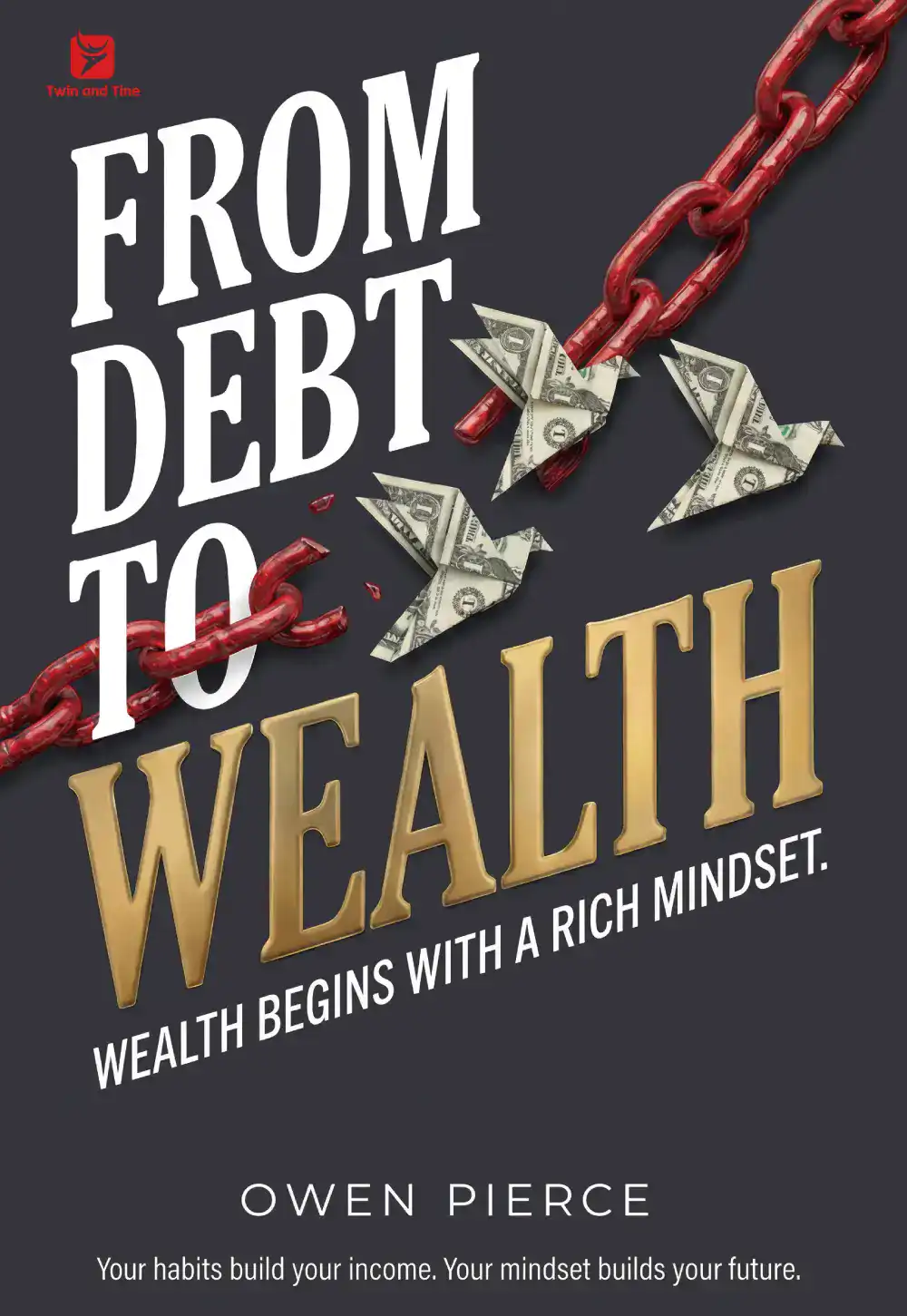
1. From Debt to Wealth by Owen Pierce
Start here: understand why you keep ending up here.
Most debt advice starts with budgeting and cutting expenses. That assumes the problem is what you are spending on. It is not. The problem is how you think about money.
Pierce’s book is not about debt repayment strategies. It is about the cognitive framework that keeps people in debt. Why do people make the same financial mistakes over and over? Why does loyalty to a lifestyle keep people trapped? Why do people reward themselves with purchases they cannot afford?
The book explains the hidden patterns behind financial behavior: why people chase short-term comfort, why they avoid discomfort even when it leads to growth, and why the same habits keep producing the same results.
If you are stuck in the debt loop, the loop is not the problem. It is a symptom. The problem is how you think about money. And until that changes, no repayment plan will stick.
For anyone who has paid off debt before—and ended up right back where they started.

2. I Will Teach You to Be Rich by Ramit Sethi
A system that does not require deprivation.
Sethi’s approach is built for people who have tried and failed at budgeting. He does not tell you to stop spending on things you love. He tells you to automate good decisions so you do not have to make them.
The book covers automating savings and debt payments, negotiating with credit card companies, and setting up a system that runs without you. It is realistic, sustainable, and does not require giving up everything.
For anyone who wants a realistic system that actually fits real life.

3. The Barefoot Investor by Scott Pape
A practical, no-nonsense system for managing your money.
Pape’s system is built around splitting your money into separate accounts as soon as it arrives. One for bills. One for daily spending. One for saving. One for debt repayment. The money does not mix. You never see it all together. And you never spend what you intended to pay toward debt.
You do not need spreadsheets or financial expertise. You need a few accounts and an hour to set them up. Once it is done, your money flows where it is supposed to go—automatically, every month.
For anyone who needs a system that works without constant attention.

4. The Financial Diet by Chelsea Fagan
How to get your finances together without feeling like you are failing.
Fagan’s book is built for people who feel behind. It covers budgeting, saving, paying down debt, and investing—but without the shame that often comes with money conversations.
The book is honest about the challenges: you are not going to be perfect, and that is okay. It gives you realistic strategies that work for real people, not financial experts.
For anyone who feels overwhelmed by money and needs a compassionate, realistic approach.

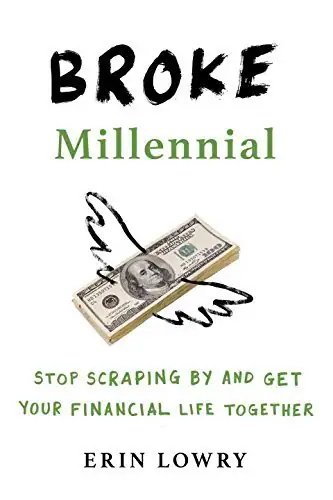
5. Broke Millennial by Erin Lowry
A no-BS guide to managing money when you feel like you are starting from zero.
Lowry’s book is written for people who feel like they are behind. It covers how to deal with credit card debt, how to talk to friends and partners about money, and how to build a financial foundation from scratch.
It is practical, approachable, and full of specific advice for people who feel like they missed the class on money.
For anyone who is starting from zero and needs a clear, judgment-free guide.
These five books each approach the debt loop from a different angle. Pierce helps you understand why you keep ending up here. Sethi gives you a sustainable system. Pape automates the process. Fagan takes the shame out of money. Lowry meets you where you are.
Frequently Asked Questions
If I can only read one, which should it be?
If you have been in debt before and keep returning to it, start with From Debt to Wealth. The other books give you repayment strategies—this one shows you why you keep needing them.
What is the most common mistake people make when trying to get out of debt?
Focusing on the numbers instead of the behavior. Debt is rarely a math problem. It is a behavior problem.
Do I need to cut everything I enjoy to get out of debt?
No. Deprivation rarely works long-term. The goal is not to suffer. The goal is to stop the cycle.