You type the message three times but never send it.
Maybe you need to tell your manager that your workload is becoming unrealistic. Maybe you need to tell your partner that something has been bothering you for weeks. Maybe you need to set a boundary with someone close to you, but every possible way of saying it sounds either too harsh or too passive.
Most people do not avoid difficult conversations because they do not know something needs to be said. They avoid them because they are unsure how the other person will react, and they do not trust themselves to handle the moment well.
A difficult conversation is rarely just about choosing the right words. It is about staying clear when emotions rise, expressing what matters without creating unnecessary conflict, and finding a way forward when two people see a situation differently.
The books below explore different parts of effective communication, from handling emotionally charged discussions to expressing needs, listening better, and building stronger relationships.
Crucial Conversations by Kerry Patterson, Joseph Grenny, Ron McMillan, and Al Switzler
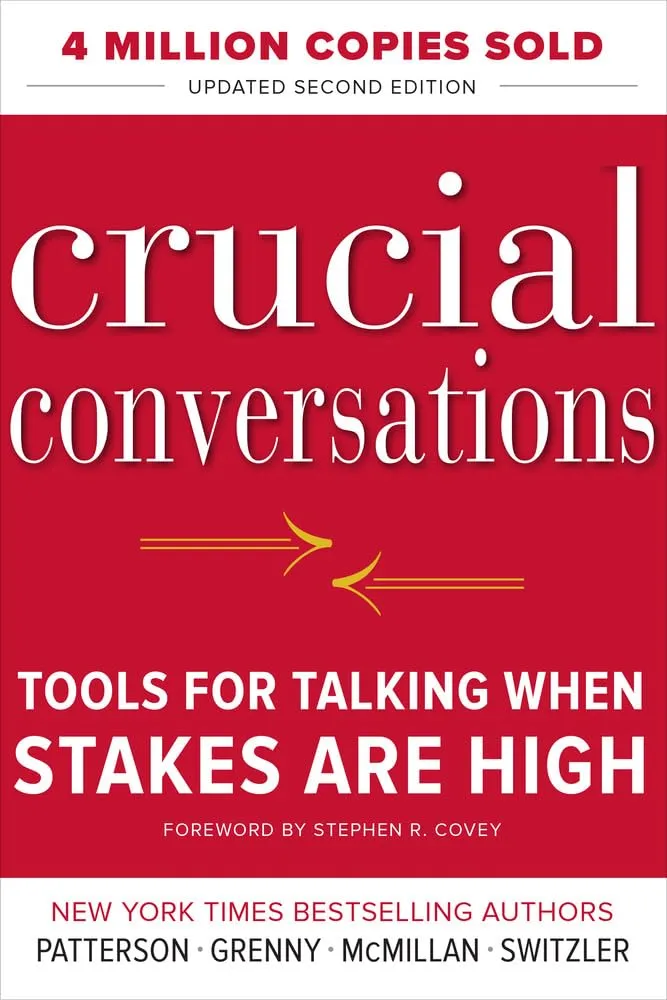
Learn how to communicate when the stakes are high
Some conversations become difficult because the topic matters. A performance review, a disagreement with a partner, a conflict with a family member, or a serious discussion about expectations can quickly become emotional.
Crucial Conversations focuses on what happens when people feel pressure, fear, or frustration during important discussions. The authors explain why people often fall into two patterns: avoiding the conversation completely or reacting in ways that make the situation worse.
The book introduces practical ways to create a safer conversation environment, express concerns clearly, and keep discussions productive even when opinions differ.
For anyone who tends to stay silent until frustration builds up, this book provides a useful framework for speaking earlier and more effectively.
Say It Right Every Time by Miles Carter
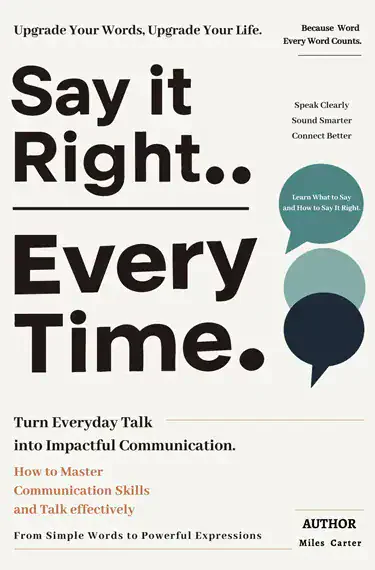
Learn what to say when emotions make communication difficult
Many people understand that communication matters. They know they should be honest, calm, and respectful. The harder part is knowing what those things actually sound like in a real conversation.
Say It Right Every Time focuses on the practical language behind difficult moments. Instead of only explaining communication principles, it provides frameworks and examples for situations where people often struggle to express themselves.
The book covers everyday challenges such as saying no without guilt, addressing problems without starting an argument, expressing needs clearly, and responding to difficult conversations without becoming defensive.
For readers who often think, “I know what I want to say, but I do not know how to say it,” this book focuses on turning communication ideas into words they can actually use.

Say it Right..Every Time.
Miles CarterPractical communication tools for the moments that matter — say what you mean, calmly and confidently.
Nonviolent Communication by Marshall Rosenberg
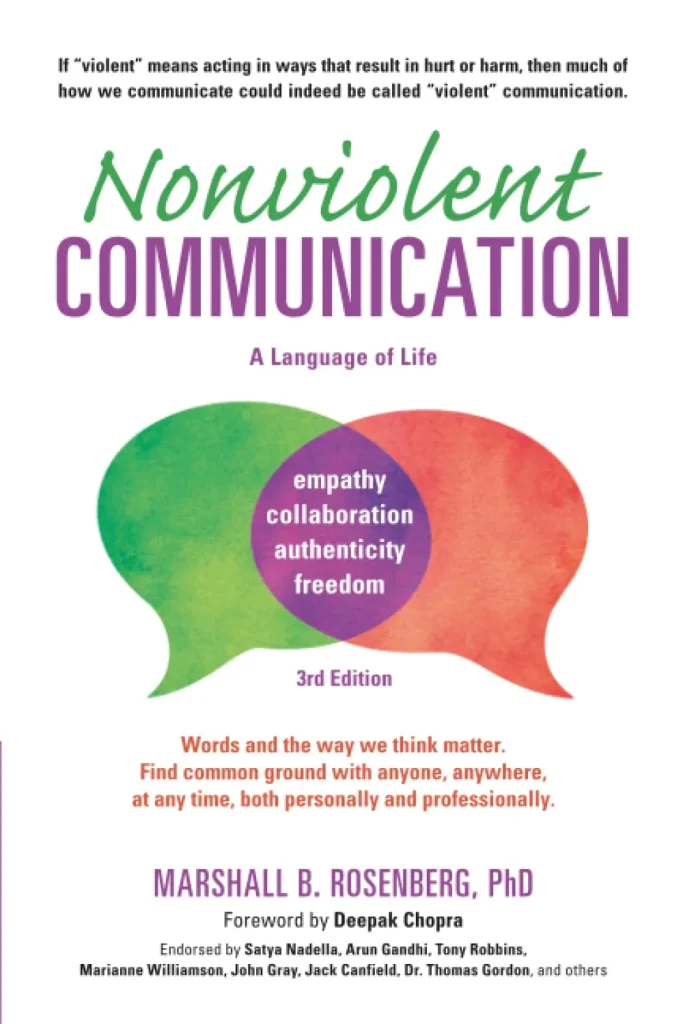
Express yourself without making others feel attacked
A common reason conversations go wrong is that people start with blame instead of understanding.
Instead of saying, “I felt ignored when this happened,” the conversation may begin with, “You never listen to me.” The first statement opens a discussion. The second often creates a defense.
Marshall Rosenberg’s Nonviolent Communication introduces a four-part approach: observing what happened, identifying feelings, understanding needs, and making clear requests.
The framework helps people communicate honestly while reducing the chance that the other person feels attacked. It is especially useful for relationships where emotions are strong but maintaining connection is still important.
Difficult Conversations by Douglas Stone, Bruce Patton, and Sheila Heen
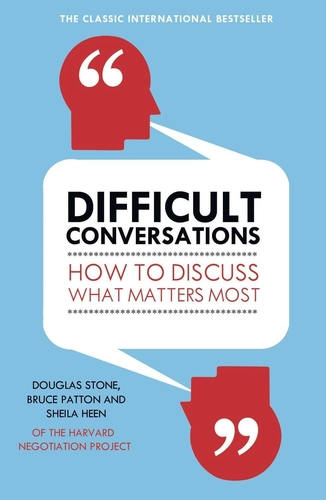
Understand why some conversations feel impossible
Some disagreements become difficult because people are arguing about more than the surface issue.
A coworker may think they are discussing a missed deadline, while the other person hears criticism about their ability. A partner may think they are discussing a small habit, while the other person feels their needs are being ignored.
Difficult Conversations explores these hidden layers behind conflict. The authors explain that many conversations contain three separate parts: what happened, how people feel, and what the situation means about themselves.
Understanding these layers can help people move away from proving who is right and toward finding a solution.
How to Win Friends and Influence People by Dale Carnegie
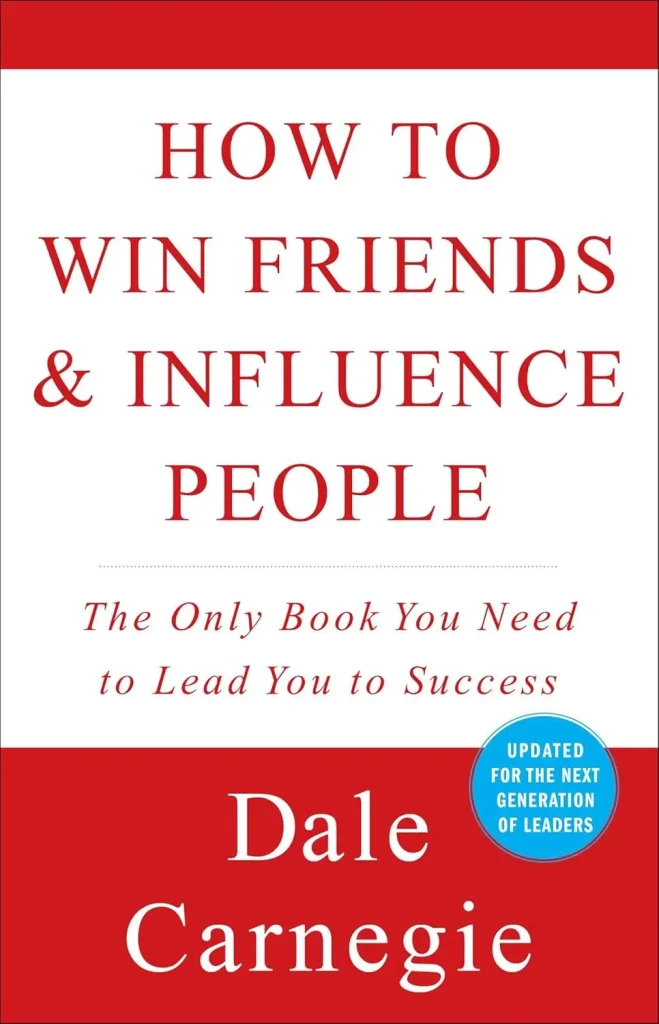
Build communication habits that strengthen relationships
Not every communication problem starts with conflict. Many difficult conversations become difficult because trust and connection were already weakened beforehand.
Dale Carnegie’s classic book focuses on everyday interactions: listening carefully, showing appreciation, avoiding unnecessary criticism, and understanding what motivates other people.
While it is not specifically a book about conflict resolution, its principles help create healthier relationships where honest conversations become easier.
Good communication is not only about handling problems. It is also about creating the kind of relationships where problems can be discussed openly.
Why Difficult Conversations Feel So Uncomfortable
Many people believe the hardest part of a difficult conversation is finding the right words. In reality, the emotional pressure behind the conversation is often the bigger challenge.
You may worry about:
- Being misunderstood
- Sounding too aggressive
- Hurting someone’s feelings
- Creating conflict that cannot be repaired
- Losing the relationship
These fears are normal. But avoiding important conversations often creates a different problem. Unspoken frustration can grow, assumptions can replace honest discussion, and small issues can become much harder to solve later.
How to Make Difficult Conversations Easier
A productive conversation does not require perfect communication skills. It requires preparation and awareness.
Before starting an important discussion:
- Decide what you actually want the other person to understand.
- Focus on the situation instead of attacking the person’s character.
- Use specific examples instead of general statements.
- Give the other person space to explain their perspective.
- Remember that the goal is clarity, not winning.
The best communicators are not people who never experience uncomfortable moments. They are people who know how to handle those moments without losing respect, honesty, or connection.
Did this article help you see things differently? Our books turn helpful ideas into practical tools you can return to anytime.



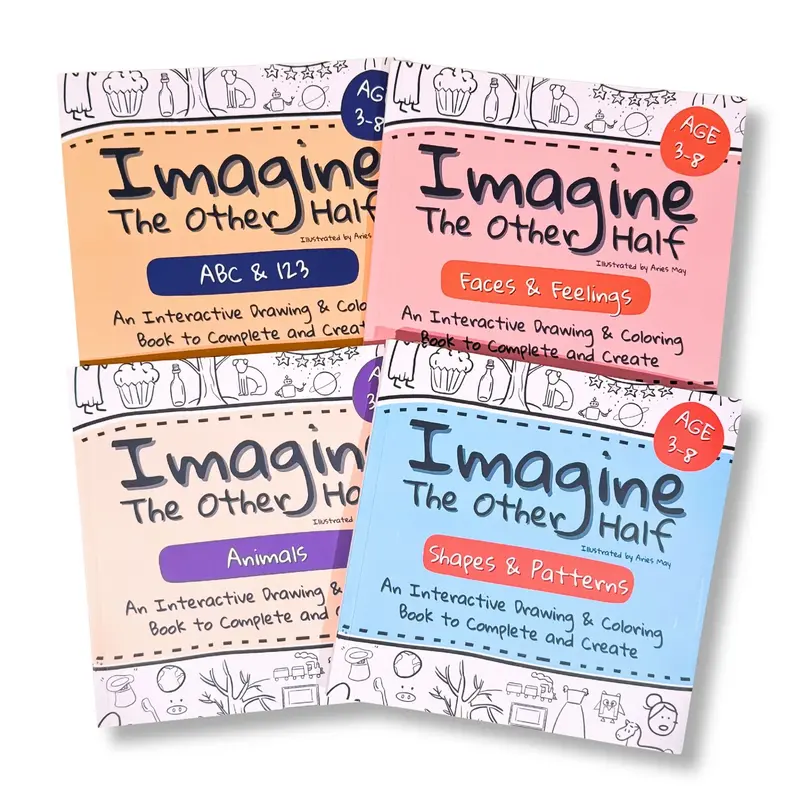
Imagine The Other Half
$24.99

