The Conversation Changed When Someone Asked One Better Question
A few months ago, two coworkers who had always talked about deadlines, lunch, and weekend plans ended up staying late in the office. One mentioned that they were considering leaving their job, and instead of replying with the usual advice, the other simply asked, “What is making you think about it now?”
That question changed the conversation.
For the next half hour, they talked about feeling stuck, what they wanted to do differently, and what they were afraid might happen if they left. Neither person had planned to have a serious conversation that evening. It happened because someone stopped trying to keep the conversation pleasant and became genuinely curious.
Meaningful conversations often start that way. They are not necessarily deep from the first sentence. They become meaningful because both people begin offering something more honest than the usual surface-level exchange.

Why Some Conversations Never Get Beyond Small Talk
Small talk has its place. It helps people become comfortable with one another, gives conversations a starting point, and fills ordinary social moments.
The problem comes when every conversation stays there. You exchange updates, ask predictable questions, and move on before either person has said anything that actually matters to them.
Sometimes the reason is simple: we ask questions that are easy to answer rather than questions that invite a real response. Other times, we are afraid that showing genuine curiosity will feel too personal.
Meaningful conversation requires a little more willingness to stay with an interesting answer.
Ask Questions That Give People Somewhere to Go
A meaningful question does not have to be dramatic. It simply gives the other person enough room to explain, reflect, or tell a story.
Instead of asking only “Did you like it?” you might ask what surprised them about the experience. Instead of “How is work?” you can ask what part of the job has been taking most of their attention lately.
The important thing is what happens after they answer. A good conversation is not a list of better questions. It is a series of responses that show you were actually listening.

Listen for What Matters to Them
People often reveal the direction of a deeper conversation without realizing it. They mention something they are excited about, something that has been bothering them, or a decision they have been thinking about.
If you move past those details too quickly, the conversation stays on the surface. If you pick one up and ask about it naturally, the discussion can change.
A few habits can help:
- Follow emotional details. If someone’s tone changes when they mention something, there may be more behind it.
- Ask about the story, not just the facts.
- Share something about yourself too. Meaningful conversation works in both directions.
- Let pauses happen. People sometimes need a moment to think before giving a more honest answer.
This is less about finding impressive questions and more about becoming genuinely present in the exchange.
Say It Right Every Time by Miles Carter
Say It Right Every Time is relevant to meaningful conversations because several of its communication skills are really about creating the conditions for people to open up naturally.
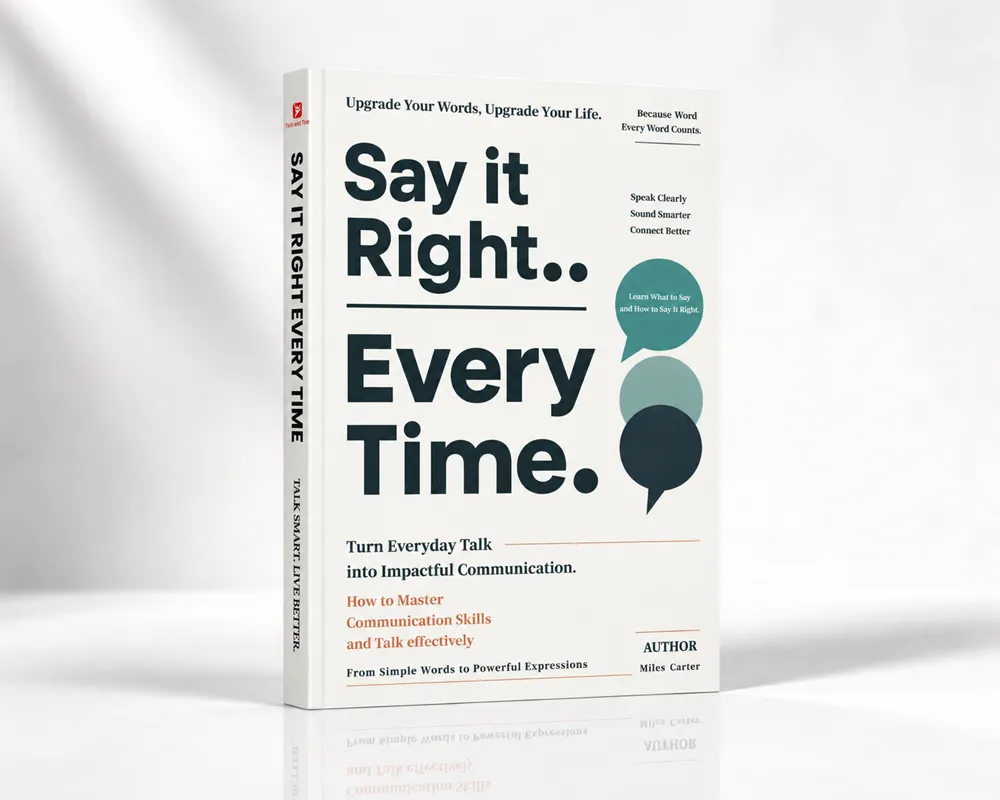
The Echo Technique: How to Make Others Feel Deeply Understood is particularly useful. When you reflect an important part of what someone has said instead of immediately redirecting the conversation back to yourself, the other person has a reason to continue.
The book also covers How to Keep the Conversation Going (Even with Strangers). That skill matters because meaningful conversations do not usually appear fully formed. They often grow out of an ordinary exchange when someone notices an opening and follows it.
Another chapter, Make Someone Feel Great—In Seconds, shows how small responses can change the emotional tone of an interaction. A person is more likely to share something genuine when they feel that their contribution was received warmly rather than judged or dismissed.

Say it Right..Every Time.
Miles CarterPractical communication tools for the moments that matter — say what you mean, calmly and confidently.
The book also includes How to Respond to Compliments in a Way That Connects and Never Have Awkward Conversations Again. These may sound like lighter social skills, but they support the same underlying ability: staying engaged with another person instead of becoming so focused on what you should say next that you stop listening.
For readers wondering how to have meaningful conversations, Say It Right Every Time offers a practical starting point because it treats connection as something built through listening, response, wording, and attention rather than through a list of “deep questions.”
Do Not Force Depth
Not every conversation needs to become emotional or philosophical. Trying to force depth can actually make people uncomfortable.
A meaningful exchange can be very ordinary. Someone talks about a career change, a hobby they unexpectedly enjoy, a difficult decision, or something they have been learning about themselves. What makes the conversation meaningful is not how serious the topic sounds. It is whether both people are actually engaged with it.
Sometimes the best conversations happen because you simply stay with a subject a little longer than usual.
Let Yourself Share Something Real Too
Deep listening is important, but a conversation can become unbalanced if one person does all the revealing. When someone shares something personal, offering a related experience or honest thought can make the exchange feel mutual rather than investigative.
You do not have to tell your entire life story. A small amount of genuine self-expression can be enough to show that you are participating rather than interviewing the other person.
This is one reason confidence and meaningful conversation are connected. You need enough comfort with your own voice to contribute something real.
Meaningful Conversation Is More About Attention Than Technique
There is no formula that guarantees every conversation will become profound. Some people will prefer small talk, some moments are simply brief, and sometimes there is not enough shared interest to go further.
What you can develop is the ability to recognize when a conversation has an opening and respond to it with genuine attention.
That is where Say It Right Every Time becomes practical. It does not ask you to manufacture depth. It helps you become better at listening, responding, sharing, and staying present long enough for a more meaningful conversation to develop on its own.
Did this article help you see things differently? Our books turn helpful ideas into practical tools you can return to anytime.



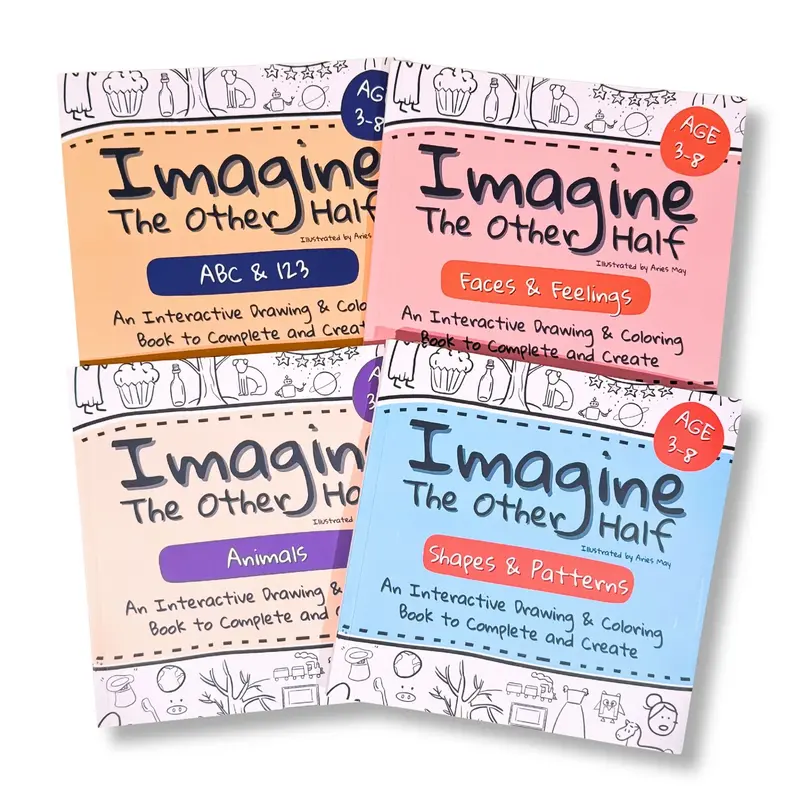
Imagine The Other Half
$24.99

