I was sitting in my car in the grocery store parking lot last Tuesday. Hands still on the wheel. Engine off. And I could not make myself open the door. My chest felt tight. My thoughts looped through every conversation I’d had that day, every email I needed to send, every possible thing that could go wrong tomorrow. I wasn’t having a crisis. I was just exhausted. From my own brain.
You know that feeling. The one where you’re not panicking in a dramatic way, but you’re also not okay. You’re just… spinning. Internally. And you’re so tired of it.
Here’s the truth: You are not alone. This is normal. Millions of people are trying to figure out how to help reduce anxiety without overhauling their entire lives. You don’t need a silent retreat in the mountains. You need something that works right now, in the middle of your messy, over-scheduled Tuesday. Let’s start there.
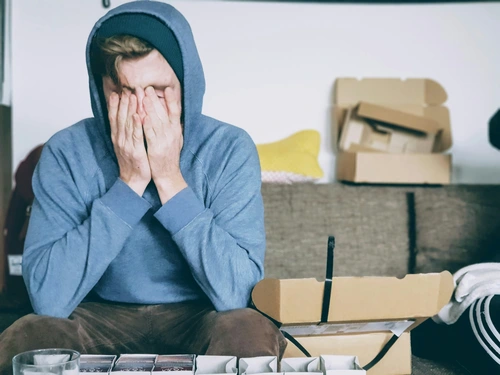
Why Does Anxiety Show Up When There’s No Real Emergency?
Your nervous system doesn’t know the difference between a tiger and a pile of unpaid bills. It just senses threat and hits the gas. The problem is, modern life keeps the threat dial turned to medium-low all day long. Notifications. Deadlines. Social comparison. Lack of sleep. You’re never fully safe, so your brain never fully rests.
I used to think my anxiety meant something was broken. That I was weak. What I’ve learned, after years of trying everything, is that anxiety is often just stress that never got a chance to move through your body. It’s stuck energy. And once I started treating it that way, physical, not just mental, things began to shift.
The key insight from the Mayo Clinic’s stress relief guide changed everything for me: “Physical activity can pump up your feel-good endorphins and other natural neural chemicals that boost your sense of well-being.” Notice they didn’t say you need to run a marathon. They said almost any form of physical activity counts. Even vacuuming. Even a walk around the block. This reframed everything.
How to Help Reduce Anxiety: 7 Stress Relievers That Actually Work in Real Life
These aren’t theories. These are the strategies I’ve tested on days when I couldn’t breathe and couldn’t think. Each one comes from the Mayo Clinic’s stress relief framework, adapted for actual humans with actual chaos.
1. Get active, but make it embarrassingly small.
You don’t need a gym membership. When anxiety spikes, move your body for three minutes. March in place. Do ten squats. Shake your arms out. Exercise “refocuses your mind on your body’s movements,” which interrupts the mental spin cycle. Yesterday I did jumping jacks in my kitchen while coffee brewed. It felt ridiculous. It also worked.
2. Breathe like you mean it, especially in stupid places.
Meditation is a powerful tool, but you won’t always be on a cushion. You’ll be in line at the post office. The Mayo Clinic says “you can practice guided meditation, mindfulness, visualization and other forms of meditation anywhere at any time.” My version: I put my hand on my stomach and take five slow breaths while waiting for the microwave. That’s it. It signals safety to a nervous system that thinks everything is urgent.
3. Laugh even when you absolutely don’t feel like it.
This one annoyed me at first. How am I supposed to laugh when I’m spiraling? But “laughter fires up and then cools down your stress response.” It’s a physiological hack. I keep a two-minute comedy clip saved on my phone. When my chest gets tight, I watch it. Sometimes I fake a laugh first. A fake laugh still triggers the physical release. Try it once before you dismiss it.
4. Connect with one person, not the whole internet.
When I’m anxious, I want to hide. Social contact feels like a demand. But reaching out is a proven stress reliever because “it can offer distraction, give support, and help you put up with life’s up and downs.” I’ve learned to text just one friend: “I’m having a rough day. Don’t need advice, just saying it out loud.” That small act of honesty often breaks the spiral.
5. Say no to one thing today.
Asserting yourself is a stress management skill. The Mayo Clinic makes this plain: “Learning to say no or being willing to delegate can help you manage your to-do list and your stress.” Anxiety often comes from overcommitment. Look at your list. Pick one small thing you can cancel or delay. Feel the relief in your shoulders. That’s your nervous system exhaling.
6. Sleep like it’s your job.
Stress causes sleep problems, and poor sleep makes anxiety worse. It’s a vicious loop. But “sleep is the time when your brain and body recharge.” Most adults need seven to nine hours. I set a bedtime alarm now, not just a wake-up alarm. When the alarm goes off, I put my phone in another room and start a boring routine: wash face, put on pajamas, read one page of a dull book. Predictability tells your brain it’s safe.
7. Write down the mess, then walk away.
Journaling works because it gets the noise out of your head. “Writing down your thoughts and feelings can be a good release for otherwise pent-up feelings.” I keep a notebook by my bed. When I can’t sleep, I write every worry bullet point style. No sentences. No logic. Just a brain dump. Something about seeing it on paper makes it smaller.
The 5-Minute Reset Protocol: A Tiny Tool That Keeps Me Sane
I named this because I needed something I could remember in the middle of a meltdown. The 5-Minute Reset Protocol has three steps:
- Move (1 minute): Stand up. Stretch your arms overhead. Shake your legs out. Anything physical.
- Breathe (2 minutes): One hand on your belly. Inhale for four counts, exhale for six. Slow and steady.
- Write (2 minutes): Grab a sticky note. Write one sentence about what you’re feeling. Then one thing you can do next. Not everything. Just the very next thing.
This isn’t meant to solve deep anxiety forever. It’s meant to get you through the next hour. I’ve used it in my car, in a bathroom stall at work, in my kitchen while my kids argued in the next room. It’s not pretty. But it works because it addresses the body first, then the mind.
What If Exercise Feels Impossible Right Now?
I get it. When you’re depressed or deeply anxious, someone telling you to exercise feels insulting. So don’t exercise. Just change your physical state. Splash cold water on your face. Step outside for thirty seconds. Open a window and breathe different air. The Mayo Clinic researchers note that even gardening or cleaning counts. Start with one minute of anything. Seriously. One minute is a victory.
Can Laughter Really Help When I’m Actually Suffering?
This sounds dismissive when anxiety is severe. I’ve been there. But the research behind laughter as a stress reliever is solid. It triggers measurable physical changes. You don’t need to be happy to laugh. You just need to make the sound. Try it alone in your car. Force three big “ha ha ha” sounds. Notice if your jaw unclenches even slightly. That’s a win worth taking.
What About Professional Help? When Is It Time?
The Mayo Clinic’s guidance is clear: If self-care measures aren’t working, therapy or counseling is a wise next step. This isn’t failure. It’s practical. If anxiety feels overwhelming, if you can’t carry out daily routines, if you feel trapped, a therapist can help you find the sources of your stress and learn specific coping tools. Think of it as skills training for your nervous system. I’ve been. It helped.
FAQ: Quick Answers When Anxiety Hits Hard
Q: How to help reduce anxiety in under five minutes?
A: Use the 5-Minute Reset Protocol above. Start with movement, add slow breathing, end with one written sentence. The combination addresses both physical tension and mental spiraling.
Q: Is it possible to reduce anxiety naturally without medication?
A: Many people find significant relief through consistent stress management techniques like exercise, sleep improvement, and social connection. However, anxiety impacts everyone differently. If self-care isn’t enough, professional support is a legitimate and important option.
Q: How does physical activity help reduce anxiety?
A: Movement releases endorphins and refocuses your brain on your body’s sensations rather than racing thoughts. Even brief activity can shift your mood and give your nervous system a reset.
Q: What quick stress relievers actually work for anxiety attacks?
A: Deep breathing activates your parasympathetic nervous system. Cold water on your face triggers the mammalian dive reflex, slowing heart rate. Both are quick, physical interventions that can interrupt a panic spiral.
One Last Thing
You were not put on this earth to perform anxiety. That tightness in your chest, that buzzing dread, it’s not your destiny. It’s just a signal. And you have more power over it than you think. Not through willpower. Through small, stubborn acts of self-care repeated until they become instinct. You are already doing the work. Keep going.
Sources:
- Mayo Clinic Staff. “Stress relievers: Tips to tame stress.” Mayo Clinic, Aug. 3, 2023.
- Bessel van der Kolk, M.D. The Body Keeps the Score: Brain, Mind, and Body in the Healing of Trauma.
- American Psychological Association. “Stress effects on the body.” APA.org.
