Communication is one of the most important parts of parenting.
A strong parent-child relationship is not only built through love and care.
It is also built through conversations.
The way parents listen, respond, and express themselves can influence how children feel about sharing their thoughts and emotions.
Many parents experience moments like:
- Their child refuses to talk
- Conversations quickly turn into arguments
- Their child hides feelings or problems
- They struggle to understand what their child needs
These challenges are common.
Improving communication with your child is not about finding perfect words.
It is about creating an environment where your child feels safe, respected, and understood.
Why Is Parent-Child Communication Important?
Communication affects many areas of a child’s development.
When children feel comfortable talking with their parents, they are more likely to:
- Share their feelings
- Ask for help when needed
- Develop confidence
- Learn healthy emotional expression
- Build trust with others
A child who feels heard learns that their thoughts and emotions matter.
This creates a stronger foundation for the relationship.
1. Listen Before You Respond
One of the biggest communication mistakes parents make is responding too quickly.
When children share something difficult, parents often want to:
- Give advice
- Explain what they should do
- Correct their behavior
- Find an immediate solution
However, children often need understanding first.
Try listening with curiosity.
You can ask:
“What happened?”
“How did that make you feel?”
“What do you think would help?”
When children feel heard, they become more willing to communicate.
2. Avoid Turning Every Conversation Into a Lesson
Parents naturally want to teach their children.
However, not every conversation needs to become a teaching moment.
Sometimes children simply want:
- Someone to listen
- Emotional support
- A safe place to express themselves
If every conversation becomes criticism or advice, children may become less likely to share.
Connection should come before correction.
3. Pay Attention to Nonverbal Communication
Communication is not only about words.
Children also notice:
- Facial expressions
- Tone of voice
- Body language
- Emotional reactions
A parent may say:
“I’m listening.”
But if they are distracted or impatient, the child may feel ignored.
Being emotionally present can make conversations more meaningful.
Does this sound like you? There’s more to explore.
Explore the Collection →Awakening to Human Nature

Break the Anxiety Circle

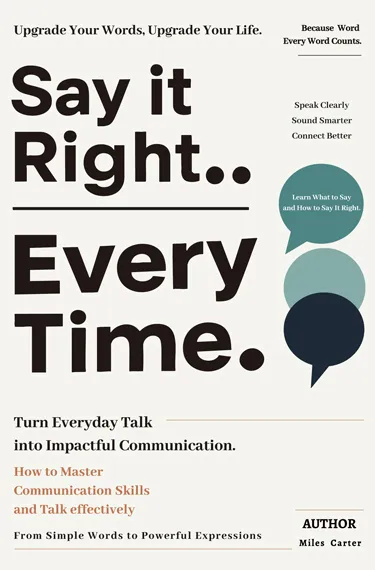
Say it Right..Every Time.
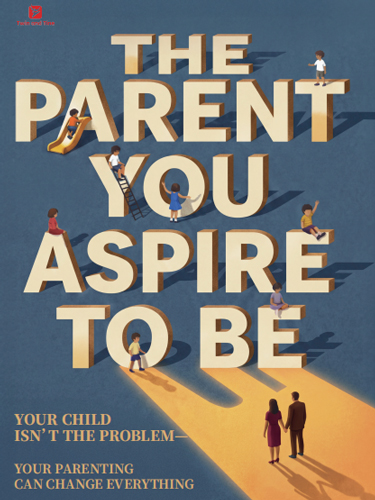
The Parent You Aspire to Be
4. Help Your Child Express Emotions
Many children struggle to explain what they feel.
Parents can support emotional communication by helping children name their emotions.
For example:
“You seem disappointed.”
“Are you feeling frustrated?”
“It looks like that situation hurt you.”
When children learn to understand emotions, they become better at expressing their needs.
5. Create Regular Opportunities to Talk
Good communication does not only happen during serious conversations.
It develops through everyday moments.
Parents can create connection by:
- Talking during meals
- Asking about their child’s day
- Sharing small experiences
- Spending uninterrupted time together
Small conversations build trust over time.
Common Communication Mistakes Parents Should Avoid
Even loving parents can unintentionally create communication barriers.
Interrupting Too Quickly
Children may stop sharing if they feel they are not being fully heard.
Ignoring Their Feelings
Telling children “it’s not a big deal” can make them feel misunderstood.
Only Talking About Problems
If conversations happen only when something goes wrong, children may associate communication with criticism.
Comparing Them With Others
Comparison can damage confidence and make children less open.
How The Parent You Aspire to Be Helps Improve Family Communication
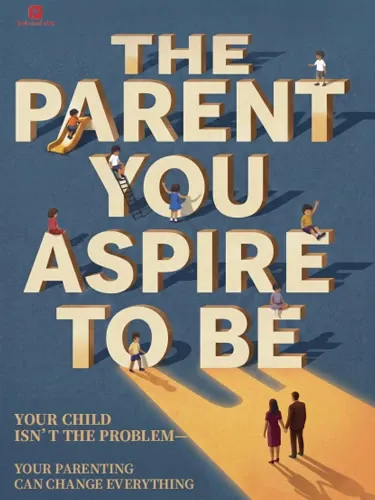
Better communication begins with understanding the emotional needs behind every interaction.
The Parent You Aspire to Be by Miles Carter explores how parents can develop stronger relationships with their children through awareness, patience, and intentional communication.
The book helps parents understand:
- How to respond instead of react
- How to build emotional connection
- How to create a more supportive family environment
- How to become a more thoughtful parent
For parents who want to improve communication and strengthen their relationship with their children, this book provides valuable insights into creating deeper connections.
Final Thoughts
Good communication is not about having perfect conversations.
It is about creating a relationship where children feel safe enough to be honest.
By listening carefully, respecting emotions, and creating meaningful moments together, parents can build stronger connections with their children.
The conversations you have today can shape the relationship you share for years to come.