You have probably been in this situation. A colleague takes credit for your work. A manager undermines you in a meeting. A peer spreads rumors to weaken your standing. You try to stay out of it, but the struggle finds you anyway.
The people who survive power struggles at work are not the ones who fight the hardest. They are the ones who understand how power actually works—and how to protect themselves without becoming someone they do not recognize.

Awakening to Human Nature
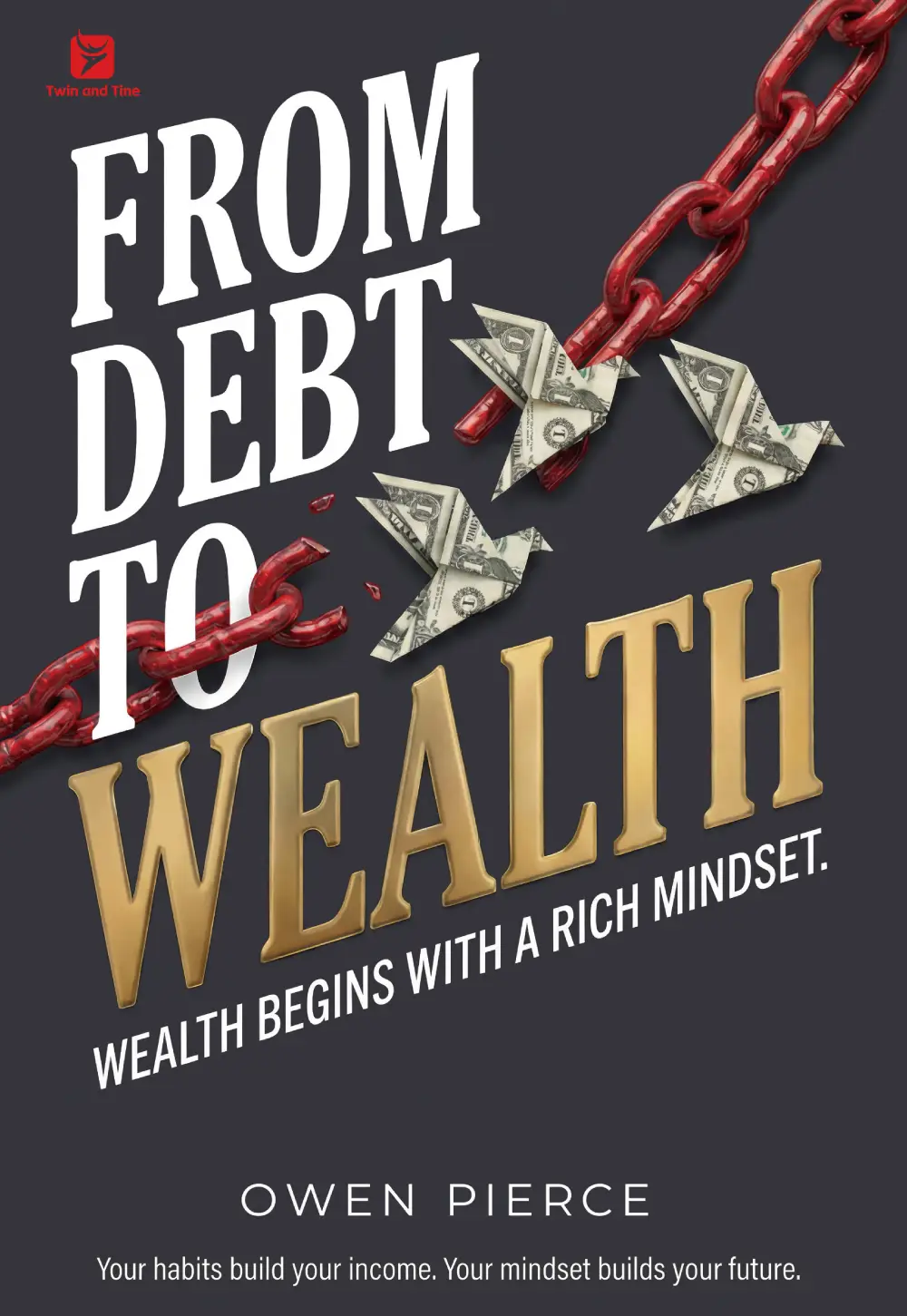
Owen PierceA practical guide for understanding hidden motives, social patterns, emotional pressure, and manipulation—so you can read situations more clearly and protect your boundaries with confidence.
1. Awakening to Human Nature by Owen Pierce
Understand the hidden motives behind workplace power struggles.
Pierce’s book helps you recognize the subtle signs of power games before they escalate. He explains why people undermine others—not just out of ambition, but often out of insecurity, fear of being exposed, or a deep need for control. The book reveals how unspoken fears and hidden agendas drive seemingly irrational workplace behavior: why a colleague may sabotage your project not because they dislike you, but because your success threatens their sense of value.
By learning to see these patterns, you stop taking things personally and start reading situations with clarity. You begin to see the difference between someone who made an honest mistake and someone who is actively working against you. This awareness is your first line of defense.
For anyone who wants to understand why power struggles happen and how to stay grounded.

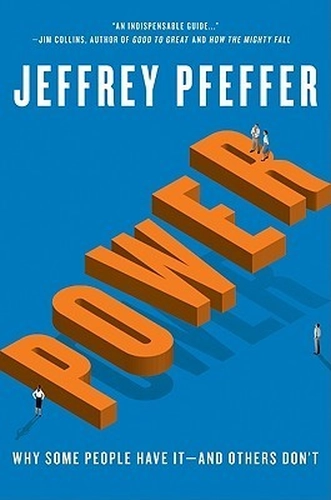
2. Power: Why Some People Have It and Others Don’t by Jeffrey Pfeffer
Understand how power actually works in organizations—and how to get it.
Pfeffer is a Stanford professor who spent decades studying how people gain and keep power in organizations. His argument is uncomfortable: power is not about performance. It is about visibility, relationships, and strategic thinking.
He explains why the best performers are often not the ones who get ahead. Why networking matters more than most people want to admit. Why playing nice does not always pay off. And why understanding the rules of the game is essential to surviving it.
What makes this book valuable is the honesty. It does not tell you what you want to hear. It tells you what you need to know to protect yourself.
For anyone who has ever been confused about why someone less competent got promoted.
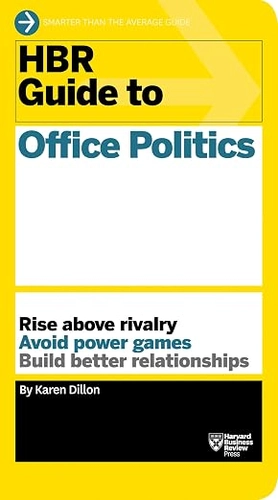
3. HBR Guide to Office Politics by Harvard Business Review
A practical guide to navigating workplace dynamics without losing yourself.
This book from Harvard Business Review offers specific, actionable advice for dealing with office politics. It covers how to read the unspoken dynamics in your organization, how to build influence without being transactional, how to advocate for yourself without being seen as pushy, and how to handle people who undermine you.
The guide teaches you to stay aligned with your values while still playing the game. It is not about becoming manipulative. It is about being strategic.
For anyone who wants a practical, actionable approach to workplace politics.
| Best for | |
|---|---|
| Awakening to Human Nature | Understanding why power struggles happen |
| Power: Why Some People Have It and Others Don’t | Understanding how power really works |
| HBR Guide to Office Politics | Practical tools for navigating workplace politics |