You have probably seen the videos. Crossed arms mean defensive. Touching the nose means lying. Leaning in means interested.
The problem with most body language advice is that it turns human behavior into a checklist. One gesture equals one meaning. It is simple. It is memorable. And it is mostly wrong.
Real body language is not about memorizing gestures. It is about reading patterns, context, and clusters of signals. The people who are actually good at reading others do not look for one thing. They look at everything—and then they look at what changed.
The two books below take different approaches to the same skill. One is a comprehensive reference. The other gives you a practical framework for using it in real life.
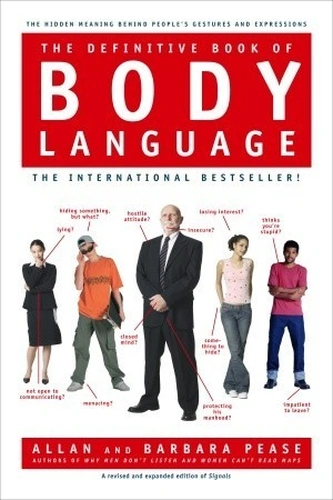
The Definitive Book of Body Language by Allan and Barbara Pease
A comprehensive guide to decoding the signals people send.
The Peases spent decades studying body language across cultures. Their book is a global reference, translated into dozens of languages. It covers everything from gestures and facial expressions to eye contact and personal space.
What makes this book valuable is the breadth. It organizes body language into clear categories: the face, the hands, the arms, the feet, the stance, the touch. Each section explains what the signals typically mean, with photographs and real-world examples.
The book also covers how body language changes across cultures—a useful reminder that one gesture does not always mean the same thing everywhere.
For anyone who wants a comprehensive, well-organized reference on what the body says.
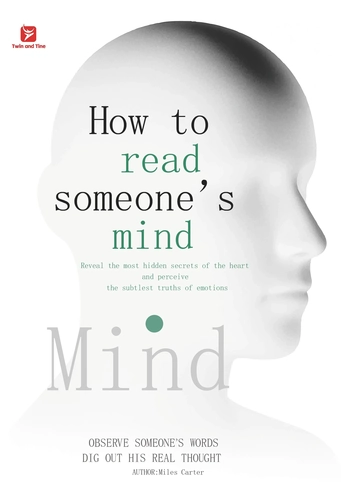
How to Read Someone’s Mind by Miles Carter
From observation to insight—what to actually do with what you see.
The Peases teach you to decode signals. Carter teaches you what to do with them.
Where the Peases are a reference manual, Carter is a practical framework. He breaks reading people into four dimensions: the face, the body, the voice, and the context. You learn to combine facial expressions, gestures, vocal changes, and situational cues into a complete picture.
A forced smile does not reach the eyes—that tells you something. A crossed arm might mean defensiveness—or it might mean they are cold. The book trains you to distinguish between the two by looking at the whole context, not just one gesture.
The book also covers patterns over time. A single off moment means very little. A consistent shift in behavior tells you something real. Most people have patterns in how they communicate. When those patterns break, something has shifted underneath.
For anyone who wants to move from “I notice things” to “I understand what they mean.”
These two books approach body language from different angles. The Peases give you a comprehensive reference—what each gesture typically means and how to read clusters. Carter gives you the practical framework—how to combine signals with context and what to do with what you see.
Frequently Asked Questions
Which book should I read first?
Start with the Peases if you want a comprehensive reference for what each gesture means. Start with Carter if you want to apply body language in real conversations and relationships.
Do I need to memorize everything to be good at reading body language?
No. The best readers do not memorize. They pay attention to patterns, context, and what changes. Both books emphasize this.
| The Definitive Book of Body Language | How to Read Someone’s Mind | |
|---|---|---|
| Focus | Decoding individual signals | Understanding patterns and context |
| Style | Comprehensive reference | Practical framework |
| Best for | Learning what gestures typically mean | Using body language in real situations |