Last week I realized someone I trusted had been lying to me for months. The signs were there. I just did not see them.
That is the thing about reading people. We notice too late. We feel the twitch, the pause, the tiny alarm bell. Then we talk ourselves out of it.
This is about learning to trust what you already see.
Quick Ways to Start Reading People Today
- Watch the feet. If they point away from you, the person wants out.
- Notice the pause before an answer. A split-second delay often means they are building a story, not telling one.
- Look at how they treat people who cannot help them. That is who they really are.
- Check the hands. Fidgeting, clenching, or sudden stillness all tell a story.
- Listen to tone, not just words. A flat voice and a tight jaw do not match “I’m fine.”
None of these are magic. They are just attention.
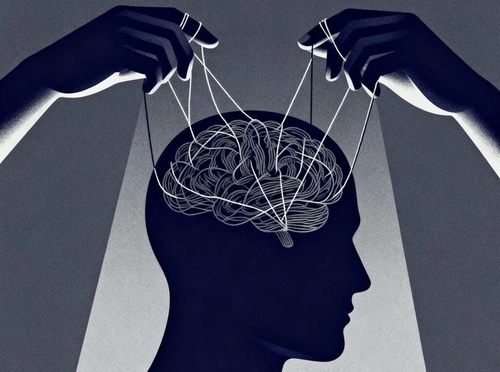
Why Do I Always Notice the Warning Signs Too Late?
Because you are reading the wrong signals. You listen to words. You do not watch what people do.
Think about the last time someone lied to you. A small one. “I’m fine.” “I’ll call you back.” “It wasn’t about you.”
You probably knew. Somewhere in your body, you knew. But your brain talked you out of it. You gave them the benefit of the doubt. You filled in the gaps with reasons. You explained their behavior back to yourself until the feeling went away.
You are not bad at reading people. You are just out of practice.
If that sentence stung a little, this next resource might help.
Why do I always notice the warning signs too late?

How to Read Someone’s Mind
Miles CarterPractical tools for reading body language, tone, and hidden intentions in real time. Spot what people aren’t saying — before you trust the wrong person.
$49.00$19.90This book is not about becoming suspicious of everyone. It is about learning to trust what you already see. It walks through facial expressions, body language, voice, and context, and shows you how to notice signals earlier instead of explaining them away.
- Learn what the face reveals before the mouth does.
- Understand what the body says when the voice says nothing.
- Practice reading people without becoming paranoid.

What the Face Reveals Before the Mouth Does
The face is the fastest messenger in the body. Before someone speaks, their face has already said something.
The brows are the first place to look. A flash of tension there often signals stress, disagreement, or surprise, even when the mouth is smiling. The eyes are next. A genuine smile crinkles the outer corners. A fake one stays in the mouth. When someone is hiding something, their eyes often dart away just before they answer.
The nose and lips add more. A slight flare of the nostrils can mean anger or fear. Lips pressed thin can signal held-back words. A sudden swallow before speaking often means the person is buying time.
You do not need to memorize every expression. Just notice when the face and the words do not match.
What the Body Says When the Voice Says Nothing
People control their words. They have a much harder time controlling their bodies.
Posture is a quiet giveaway. Confident people take up space. Anxious people shrink. When someone turns their torso away from you while still talking, they are politely trying to leave.
Gestures matter too. Open palms usually signal honesty or openness. Hidden hands can mean discomfort or withholding. Fidgeting fingers, bouncing knees, and sudden stillness all point to nervous energy.
Sitting posture tells its own story. Leaning in means engagement. Leaning back can mean comfort or distance. Crossed arms are not always defensive, but crossed arms with a tight jaw and a tapping foot usually are.
Touch is the most direct. A hand on your arm can be warm, supportive, or controlling. Watch whether the touch feels like connection or like pressure.
What the Voice Leaks Without Permission
The voice is harder to fake than the face. Tone, pitch, and speed all carry information that words alone do not.
A drop in pitch often signals confidence or a statement of fact. A rise in pitch at the end of a sentence can mean uncertainty or a need for approval. Speaking faster than usual often means anxiety or excitement. Speaking slower can mean careful thought or deliberate deception.
Listen for small habits. Does the person clear their throat before answering a hard question? Do they laugh a second too late? Do they suddenly start using your name more often? These are not proof of anything. They are signals that something is shifting.
The phone face down trick is real. When someone places their phone face down, they are often trying to hide notifications or signal that they are not fully present. It is not always suspicious. But it is worth noticing.

What Context Adds That Signals Alone Cannot
A single signal is never the whole story. The trick is reading signals in context.
Drinking can reveal a person’s heart. Some people get warm and open. Others get bitter or withdrawn. Clothing can signal personality, but it can also signal a role someone is playing. Attraction shows up in small movements: mirroring your posture, playing with their hair, finding reasons to touch their own face or neck.
Lying has its own set of leaks. People who lie often speak in more formal language, give fewer details, and distance themselves from the story. They also tend to repeat your question back to you before answering.
Anxiety shows up in the body before it shows up in words. Restless hands. Shallow breathing. A sudden need to check the phone. Anger tightens the jaw and flushes the face. Jealousy narrows the eyes and forces a smile that does not reach them. Contempt is the easiest to spot and the most damaging. It looks like a one-sided smirk, often with an eye roll.
None of these are perfect. Together, they paint a picture.
How to Practice Without Becoming Paranoid
You do not need to analyze every person you meet. That would be exhausting and unfair. The goal is not to judge. It is to notice.
Start with one person a day. Pick someone you already know. Watch their face when they talk about something they love. Watch their hands when they are uncomfortable. Listen to their voice when they are tired.
Then try it with strangers in low-stakes settings. A coffee shop. A checkout line. A meeting. You are not looking for secrets. You are just practicing attention.
Over time, you will start to see patterns. The same signals show up again and again. And you will start to trust what you see.
FAQ
Q: Is it possible to read people instantly, or does it take years?
A: You can notice useful signals in seconds. But turning those signals into accurate judgments takes practice. Start with one signal at a time.
Q: Can reading people instantly help me in everyday life?
A: Yes. It helps you avoid draining relationships, catch dishonesty earlier, and understand what people need before they say it. It also makes you a better listener.
Q: What is the biggest mistake people make when reading others?
A: Assuming a single signal tells the whole story. One crossed arm does not mean someone is defensive. One pause does not mean someone is lying. Look for clusters, not isolated signs.
Q: How do I know if my read on someone is accurate?
A: Check it against their behavior over time. If your read keeps matching what happens next, you are on the right track. If it does not, adjust.
Q: Can I learn to read people without becoming cynical?
A: Yes. The goal is not to catch people. It is to understand them. When you understand people better, you can connect with them more honestly.
One Last Thing
The next time you walk into a room, try something different. Do not just listen to what people say. Watch their face. Notice their hands. Listen to the space between their words.
You already have the instinct. You have just been ignoring it. Start trusting it, one small signal at a time.

