You check your phone again. And again.
They have not replied for three hours, and your mind starts creating explanations. Are they losing interest? Did you do something wrong? Why are they acting this way?
You replay conversations in your head. You look for signals. You try to read their behavior.
But what if the problem is not their behavior? What if the problem is how you are interpreting it?
Two books approach relationships from completely different angles. One teaches you to read other people. The other teaches you to understand your own relationship patterns. Both are useful. But they solve different problems.
Quick Comparison
| Aspect | How to Read Someone’s Mind | Attached |
|---|---|---|
| Main focus | Reading others’ behavior | Understanding relationship patterns |
| Core question | “What is this person really showing me?” | “Why do I react the way I do in relationships?” |
| Best for | Decoding mixed signals | Understanding your attachment style |
| Approach | Observation of patterns | Self-awareness and psychology |
How to Read Someone’s Mind by Miles Carter
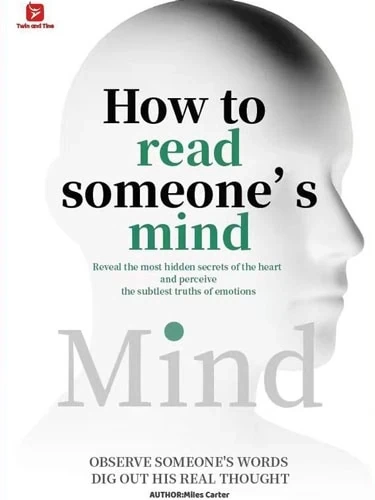
Carter wrote this book for people who keep misreading others. You walk away from conversations knowing something was off, but you cannot explain why. Someone says all the right things, but something underneath feels wrong.
The goal is not to magically know what someone is thinking. It is to understand patterns in behavior. He teaches you to notice the patterns people show without realizing it. Changes in tone. Hesitation before answering. A mismatch between words and actions. Most people have consistent patterns in how they communicate. When those patterns break, something has shifted underneath.
This book is about understanding the person in front of you. It is about reading signals, noticing inconsistencies, and recognizing when something does not add up. If you have ever been confused by someone’s behavior and wished you could understand what was really happening, this is the book that gives you the framework.
What you will learn:
- How to notice patterns in communication that most people overlook
- How to interpret gaps between words and actions
- How to read people without becoming cynical
- How to stop second-guessing yourself
This is the book for you if: you feel like you keep missing signals in relationships and want to understand what others are really communicating.
Attached by Amir Levine and Rachel Heller
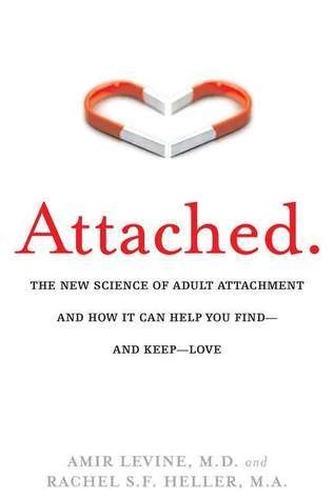
Levine and Heller wrote this book for people who feel confused by their own relationship patterns. You know you should walk away from someone, but you cannot. You feel anxious when you do not hear from them. You overthink every text message.
They introduce the concept of attachment styles: secure, anxious, and avoidant. These styles are shaped by early experiences and influence how you behave in adult relationships. Secure people are comfortable with intimacy. Anxious people worry about being abandoned. Avoidant people pull away when things get too close.
What makes this book valuable is the shift in perspective. You stop asking “what is wrong with them?” and start asking “what is my attachment style and how is it shaping my reactions?”
It explains why some relationships feel impossible, why certain people bring out your anxious side, and why you keep attracting the same types. Sometimes the issue is not only the other person’s behavior. It is also the way your past experiences shape how you interpret that behavior.
What you will learn:
- The three attachment styles and how they shape relationships
- Why you react the way you do in relationships
- How to recognize anxious, avoidant, and secure patterns
- How to choose partners who are actually compatible with your needs
This is the book for you if: you keep repeating the same relationship patterns and want to understand why.
A Scene That Shows the Difference
Imagine this: you are dating someone. They take a few hours to reply to your text. Your mind starts spinning. Are they losing interest? Did you say something wrong? You check your phone obsessively.
Now imagine your partner becomes quieter than usual after a disagreement. You feel the distance. You start worrying.
Carter’s lens: Look at the pattern. Is this normal for them? Do they usually reply quickly and today is different? Or do they always take hours? After a disagreement, do they usually need space? Is this avoidance, stress, or their normal conflict style? The goal is to see what the behavior actually signals.
Levine and Heller’s lens: Look at your reaction. Why are you so anxious about a delayed reply? Why does distance feel threatening to you? Is this person triggering a pattern you have felt before? Are you projecting past experiences onto present behavior? The goal is to understand why you are reacting this way.
One teaches you to read the other person. The other teaches you to read yourself.
Where They Overlap
Both books teach you that relationships become easier when you stop reacting automatically and start understanding patterns.
Where They Diverge
Carter focuses outward. He teaches you to see what others are showing you.
Levine and Heller focus inward. They teach you to see your own patterns and how they shape your reactions.
One helps you decode them. The other helps you decode yourself.
You do not need to read both first. Start with the question you are trying to answer.
” What is this person showing me?” Start with Carter.
“Why am I reacting this way?” Start with Attached.
