The kettle was screaming, and I was just standing there. My son was crying about a lost toy, my phone was buzzing with work messages, and I couldn’t remember if I’d fed the dog. My chest felt tight, my thoughts were spinning, and all I wanted was five minutes of silence.
That was two years ago. I had no idea how to reduce anxiety back then. I thought it was just part of being a busy mom. Turns out, I was wrong.
Anxiety shows up differently for everyone. For me, it’s a racing heart and a foggy brain. For my sister, it’s stomach knots before every meeting. For my husband, it’s lying awake at 3 AM replaying conversations.
But here’s what I’ve learned: anxiety doesn’t have to run your life.
Quick Answer: How can I reduce anxiety starting today?
You can reduce anxiety by practicing deep breathing, moving your body daily, limiting caffeine, getting enough sleep, and building small habits that help you stay grounded.
Why Does Anxiety Feel So Overwhelming?
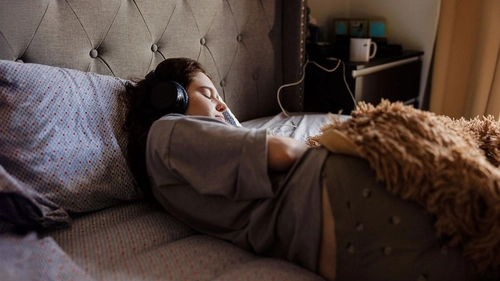
I used to think anxiety meant something was wrong with me. Like I was broken somehow. The truth is simpler. Anxiety is your brain’s alarm system going off when there’s no actual fire. It’s trying to protect you, but it’s overreacting. When you understand that, you stop fighting it and start working with it.
I remember sitting in my car after preschool drop-off one morning. I was gripping the steering wheel so hard my knuckles were white. Nothing bad had happened. I just felt this weight pressing down on me. That’s when I started researching how to reduce anxiety. Not from a clinical standpoint. Just from a “please help me function” standpoint.
Anxiety feeds on patterns. If you’re sleep-deprived, caffeine-loaded, and staring at screens all day, your nervous system stays on high alert. It’s like leaving your house alarm on 24/7. Eventually, every little noise feels like a threat.
How to Reduce Anxiety in the Moment
Let’s start with the moments when anxiety hits like a wave. You’re in line at the grocery store and suddenly you can’t breathe. Or you’re lying in bed and your brain won’t shut up.
Take a time-out. Step away from whatever is triggering you. Go to the bathroom, step outside, or just close your eyes for thirty seconds. Distance creates clarity.
Breathe slowly. Inhale for four counts, hold for four, exhale for six. Your body physically cannot stay in panic mode when you’re breathing this way. Deep breathing signals safety to your nervous system.
Count to ten. And then count to twenty if you need to. It gives your brain something concrete to focus on instead of the spiral.
Name what you’re feeling. Say it out loud. “I feel anxious right now.” Putting a label on it shrinks it down to size.
I was surprised how much my physical state affected my mental state. Skipping meals when I was stressed was a bad habit. Your brain needs fuel to regulate emotions. Eating well-balanced meals throughout the day makes a huge difference.
The Reconnection Ritual
This is the framework that actually helped me learn how to reduce anxiety long-term. I call it the Reconnection Ritual. It’s a ten-minute daily practice that brings you back to your body and away from your racing thoughts.
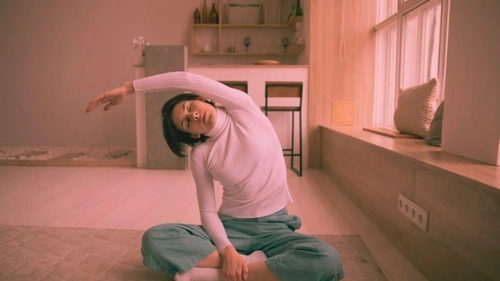
Step one: Move your body (5 minutes). Walk around the block. Stretch on your living room floor. Dance in the kitchen. Exercise daily, even if it’s just fifteen minutes. Movement helps your brain process stress hormones.
Step two: Write it down (3 minutes). Grab a notebook and write whatever is in your head. Don’t edit. Don’t judge. Just let it out. Over time, you’ll see patterns. You’ll notice your anxiety spikes on Sundays before the work week, or after you scroll through social media.
Step three: Reframe one thought (2 minutes). Pick one anxious thought and challenge it. Is it really as bad as you think? What would you tell a friend who had this thought? Be as kind to yourself as you would be to them.
When I started learning about how anxiety loops work, I found a book that helped me understand the patterns I was stuck in. Miles Carter’s Break the Anxiety Circle explains why we get caught in the same anxious thoughts and gives practical exercises to interrupt the cycle. It helped me see that the anxiety wasn’t my fault. It was a pattern I could learn to break.
The Physical Side of Anxiety
Caffeine is a silent anxiety amplifier. I love coffee, but my heart raced after my second cup every morning. Limiting caffeine, especially in the afternoon, helped me feel calmer.
Sleep is non-negotiable. Anxiety makes it hard to sleep, which creates a vicious cycle. I started a simple wind-down routine: no screens an hour before bed, a warm shower, and reading something light.
Alcohol makes things worse. It might feel relaxing in the moment, but it disrupts sleep and can trigger panic attacks later. Notice how you feel the next day.
Building Your Support System
You don’t have to do this alone. Talking to someone helps. Tell your partner, a friend, or a family member that you’re feeling overwhelmed. Sometimes just saying the words out loud takes the pressure off.
If anxiety is affecting your daily life for an extended period, please seek professional help. There’s no shame in that. Asking for help is a form of strength.
Getting involved in your community also creates a support network. When you help others, you get a break from your own worries.
Small Daily Habits That Compound
Focus on frequency, not intensity. A 15-minute walk every day beats a three-hour workout on Sunday. Consistency matters more than perfection.
Find movement you actually enjoy. I hate running. I love swimming. When exercise feels like fun, you’ll actually do it.
Recruit an exercise buddy. It’s harder to skip your walk when you know your friend is waiting.
Welcome humor. Watch a funny show. Call your funniest friend. Laughter genuinely reduces stress.
Maintain a positive attitude. It’s not about toxic positivity. It’s about replacing one negative thought with a neutral or slightly positive one. Instead of “I’m going to fail this presentation,” try “I’ve prepared for this, and I’ll do my best.”
When Nothing Seems to Work
There are days when nothing works. The breathing feels pointless. The walk doesn’t help. The tears come anyway.
That’s okay. Anxiety is not linear. Some days you’ll feel like you’ve conquered it. Other days it will knock you down. Progress isn’t a straight line.
Be patient with yourself. Most people need four to eight weeks of consistent practice before exercise feels easier and anxiety feels more manageable. Give yourself that time.
Accept that you cannot control everything. Some things are just going to be messy. And that’s actually the most freeing realization of all. You don’t have to be perfect. You just have to keep showing up for yourself, one small habit at a time.
One Last Thing
The kettle is still screaming, but I’m not standing there frozen anymore. I take a breath. I pour the water. I move on with my day. That’s what progress looks like. It’s not dramatic. It’s just showing up for yourself, again and again.