You are lying in bed replaying a conversation from earlier that day.Maybe you remember one sentence you said differently than you wanted. Maybe you noticed a small change in someone’s reaction and started wondering what it meant. You know the situation is over, but your mind keeps returning to it, searching for a better answer or a mistake you might have missed.
This type of thinking can feel productive because it seems like you are trying to understand what happened. But when your thoughts keep moving in circles without leading to a solution, they can become exhausting. Instead of helping you move forward, rumination keeps you connected to the same worry again and again.

Learning how to reduce negative thoughts is not about forcing yourself to think positively all the time. It is about understanding why certain thoughts become repetitive and developing a healthier way to respond to them.
The books below explore different approaches to breaking mental loops, from managing anxious thoughts to developing self-compassion and creating more distance from your inner critic.
Chatter by Ethan Kross
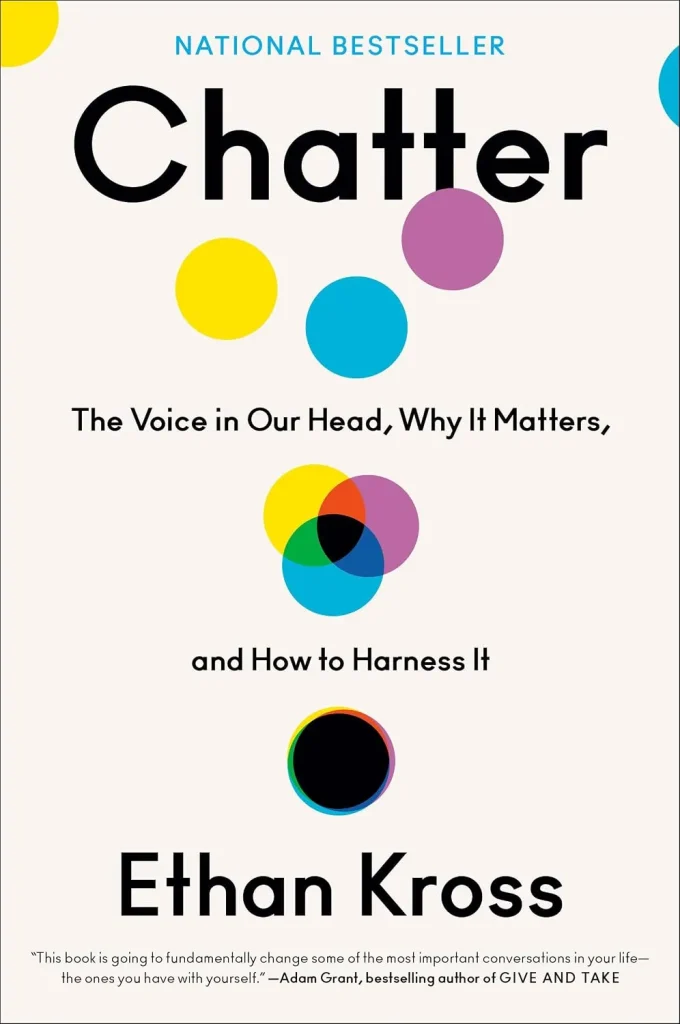
Understand how your inner voice affects your emotions
Everyone has an internal conversation. Sometimes it helps you reflect, learn, and make better decisions. Other times, it becomes a constant stream of criticism, worry, and repeated questions.
In Chatter, Ethan Kross explores how the voice inside your head influences your emotions and behavior. The book explains why people often become trapped in their own thoughts and how creating psychological distance can help them see situations more clearly.
One useful idea from the book is learning to step back from your thoughts instead of automatically believing everything they say. For example, instead of thinking, “I ruined everything,” you can learn to view the situation more objectively and ask, “What actually happened, and what can I learn from it?”
For people who replay conversations, analyze mistakes, or struggle to quiet their minds, this book offers a practical perspective on changing their relationship with their thoughts.
Break the Anxiety Circle by Miles Carter
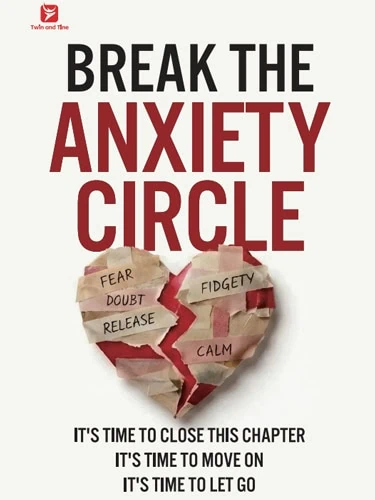
Break the cycle of overthinking, worry, and self-doubt
Negative thoughts often become difficult to stop because they are connected to larger mental patterns. A small mistake can quickly turn into a much bigger story:
“I made a mistake” becomes “I always mess things up.”
“I had an awkward conversation” becomes “People probably think badly of me.”
Break the Anxiety Circle focuses on these patterns of overthinking, anxiety loops, and emotional exhaustion. The book explores why the mind keeps returning to the same fears and how people can recognize the difference between useful reflection and harmful rumination.
For readers who feel trapped in repetitive thoughts, the book provides a framework for understanding why the cycle starts and how to interrupt it before it takes over their day.

Break the Anxiety Circle
Miles CarterA mental reset for people trapped in the overthinking loop. Understand why your mind won’t stop racing — and how to break free from anxiety, people-pleasing, and emotional exhaustion.
The Untethered Soul by Michael A. Singer

Learn to observe your thoughts instead of being controlled by them
Many people experience every thought as if it is a fact. A moment of fear feels like a warning. A negative belief feels like the truth. A difficult emotion feels impossible to change.
The Untethered Soul explores the idea that people are not their thoughts. Instead of reacting to every emotion or mental story, readers can learn to become more aware of what is happening inside their minds.
This perspective can be especially helpful for people who want to create more space between themselves and their thoughts. Rather than fighting every negative idea, they learn to notice it and choose how they want to respond.
Self-Compassion by Kristin Neff
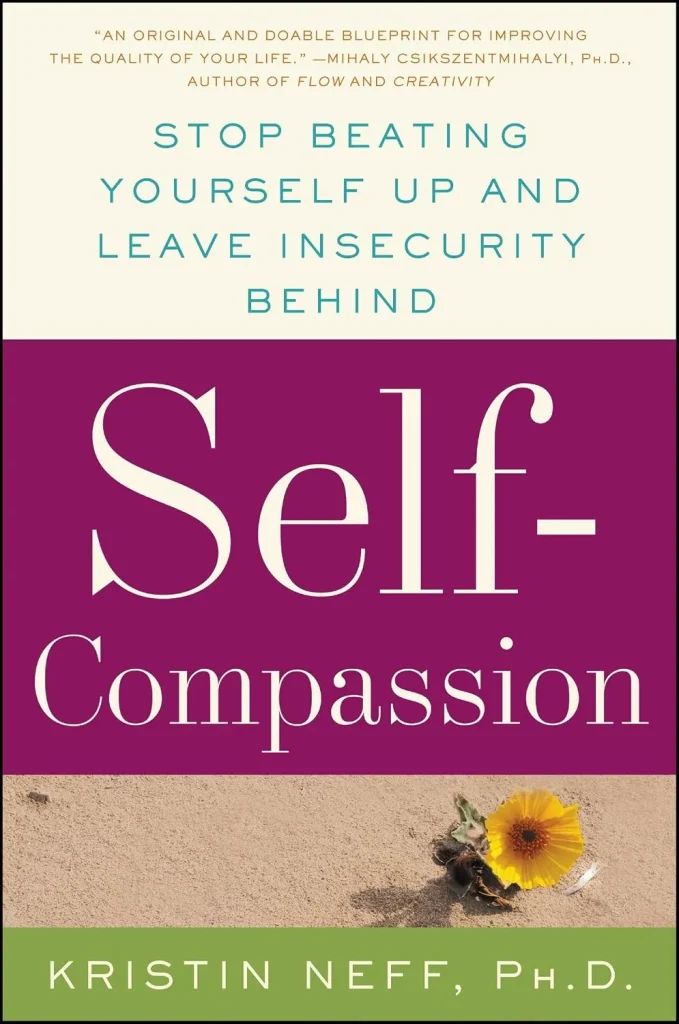
Replace harsh self-criticism with a healthier inner voice
For many people, negative thinking is not only about worry. It is also about the way they speak to themselves after something goes wrong.
A small failure can trigger thoughts like:
- “I should have done better.”
- “Why do I always make mistakes?”
- “I am not good enough.”
Kristin Neff’s Self-Compassion explores a different approach. Instead of using criticism as motivation, the book explains how treating yourself with understanding can create a healthier and more balanced mindset.
Self-compassion does not mean ignoring mistakes or avoiding improvement. It means learning how to respond to yourself with the same patience you would offer someone else.
The Power of Now by Eckhart Tolle
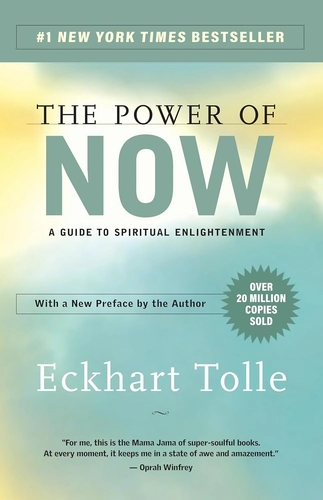
Stop getting trapped in past regrets and future worries
Rumination often pulls people into two places: the past and the future.
The mind returns to what happened, what should have happened, or what might happen next. While reflection can be useful, constantly living inside these thoughts can make it difficult to experience the present moment.
The Power of Now focuses on awareness and the relationship people have with their thoughts. Its approach is more philosophical, but many readers find its ideas useful for noticing when their attention becomes trapped in mental stories.
The book encourages a calmer relationship with the mind instead of constantly trying to control every thought that appears.
Why Negative Thoughts Feel So Real
One reason negative thoughts are difficult to reduce is that they often contain a small piece of truth.
You may have actually made a mistake. Someone may have genuinely been disappointed. A conversation may not have gone as planned.
The problem is not always the event itself. It is the conclusion your mind creates afterward.
There is a difference between:
- “I handled that situation poorly.”
- “I am bad at everything.”
The first statement describes something that happened. The second turns one moment into a judgment about your entire identity.
Learning to separate facts from interpretations is one of the first steps toward reducing negative thinking.
How to Quiet Your Mind When Thoughts Keep Repeating
You cannot always stop a negative thought from appearing. But you can change what happens next.
Some helpful habits include:
- Notice when you are thinking about the same problem without reaching a solution.
- Ask yourself whether the thought is helping you take action or only creating stress.
- Write down your thoughts to create distance from them.
- Replace extreme conclusions with more realistic statements.
- Give yourself permission to move on from problems that have already been addressed.
A healthier mind is not one that never experiences negative thoughts. It is one that does not allow those thoughts to control every moment.
A Practical Book to Help You Break the Overthinking Cycle
Understanding why your mind keeps returning to the same thoughts is the first step. The next step is learning how to respond differently in real situations.
Break the Anxiety Circle is designed for people who struggle with overthinking, self-doubt, and emotional loops. Through practical explanations and relatable examples, the book helps readers understand common patterns such as replaying conversations, worrying about others’ opinions, and getting stuck on past mistakes.
Instead of simply telling you to “think positively,” it offers a more realistic approach: recognize the pattern, understand why it happens, and learn how to create a healthier mental response.
If you found this helpful, these books go deeper into the same themes.



Break the Anxiety Circle
$19.90

From Debt to Wealth
$19.90

