You replay the conversation again while brushing your teeth. You think about the one sentence you wish you had said differently, the expression on the other person’s face, and what they might have thought about you afterward. Hours later, nothing has changed, but your mind is still trying to solve a problem that has already ended.
Negative thoughts often feel useful because they create the illusion that more thinking will lead to a better answer. You may believe that analyzing every detail will help you avoid future mistakes or finally find certainty. But when thinking becomes repetitive, it can leave you feeling more exhausted rather than more prepared.
Rumination is not simply thinking about a problem. It is the habit of returning to the same thoughts repeatedly without moving toward a solution. The right books can help you understand why this happens and learn healthier ways to respond to your inner dialogue.
Chatter by Ethan Kross
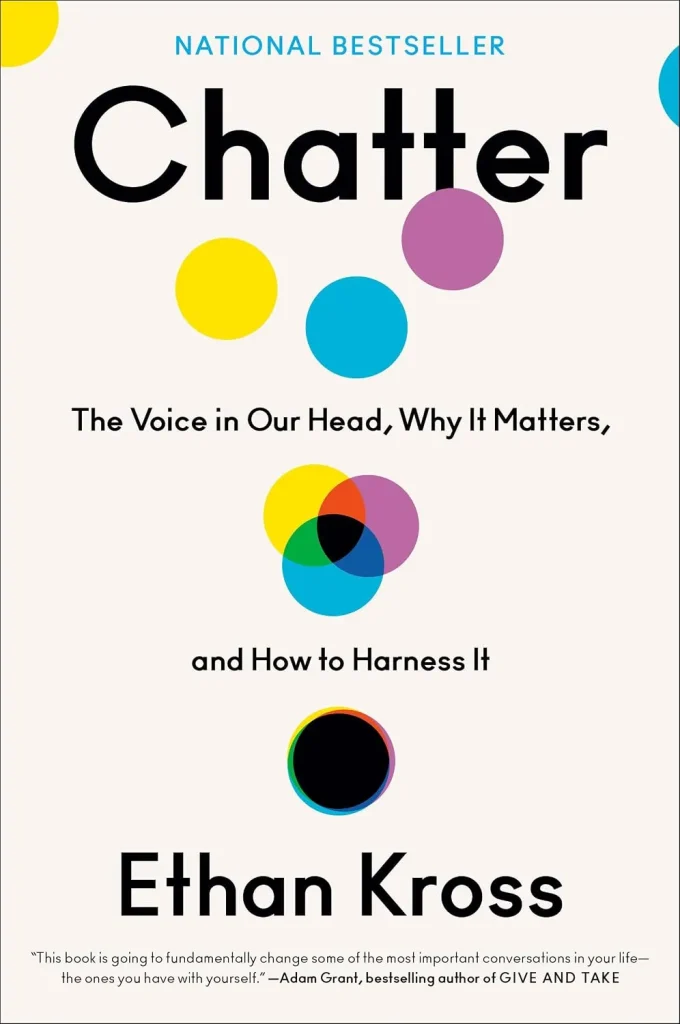
Learn how to create distance from overwhelming thoughts
Ethan Kross’s Chatter explores the internal conversations that happen inside our minds and how they influence our emotions, decisions, and reactions. The book explains why some inner conversations help us process experiences while others trap us in endless analysis.
One of the most valuable ideas in the book is psychological distance. When something painful happens to us, we often view it through a highly emotional lens. Creating distance allows us to look at the situation more objectively, almost as if we were giving advice to someone else.
For people who constantly replay mistakes, worry about future outcomes, or analyze every interaction, this book offers a practical way to change the relationship they have with their own thoughts.
Break the Anxiety Circle by Miles Carter
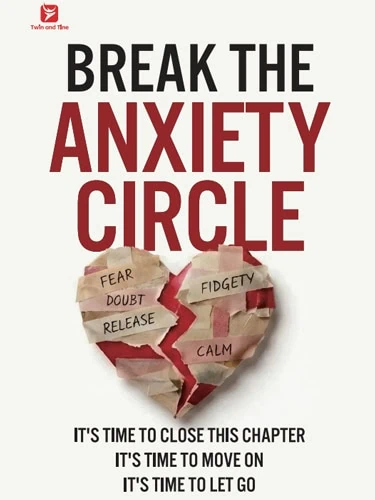
Understand why your mind keeps returning to the same worries
Break the Anxiety Circle focuses on the mental loops that keep anxiety and overthinking alive. Instead of treating every worry as a problem that needs to be solved immediately, the book explores why the brain gets stuck repeating the same fears, doubts, and imagined scenarios.
Many people experience this pattern after a small mistake. A missed opportunity becomes “I always fail.” A difficult conversation becomes “People probably dislike me.” A single uncomfortable moment turns into a much larger story about who they are.
The book helps readers recognize these patterns and understand how anxiety, self-doubt, and emotional habits reinforce each other. For anyone who feels mentally exhausted from constantly analyzing situations, it provides a framework for interrupting the cycle.

Break the Anxiety Circle
Miles CarterA mental reset for people trapped in the overthinking loop. Understand why your mind won’t stop racing — and how to break free from anxiety, people-pleasing, and emotional exhaustion.
The Untethered Soul by Michael A. Singer

Learn to observe your thoughts instead of being controlled by them
The Untethered Soul takes a deeper look at the relationship between awareness and thoughts. Michael A. Singer argues that people often become trapped because they identify too closely with every thought and emotion that appears.
A negative thought can feel like a fact. A moment of insecurity can feel like proof that something is wrong. The book encourages readers to notice their thoughts without automatically accepting them as reality.
This perspective can be especially helpful for people who want to develop more emotional awareness and stop reacting immediately to every uncomfortable feeling.
Self-Compassion by Kristin Neff
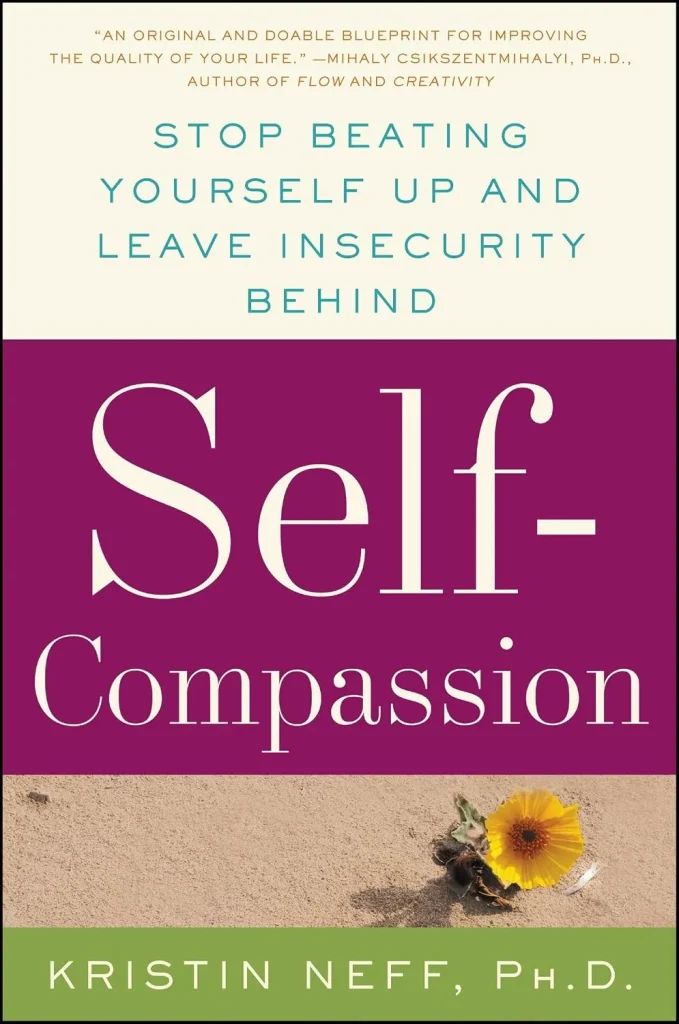
Replace harsh self-judgment with a healthier inner voice
Many people believe criticism is necessary for improvement. They think being harder on themselves will make them more responsible, productive, or successful. However, constant self-judgment often creates more stress and makes it harder to move forward.
Kristin Neff’s Self-Compassion explores how treating yourself with understanding can create a more balanced way of responding to mistakes and difficulties.
The goal is not to ignore problems or avoid responsibility. Instead, it is learning how to respond to yourself the same way you would respond to someone you care about.
The Power of Now by Eckhart Tolle

Stop living inside past regrets and future worries
A large part of rumination comes from mentally living in moments that no longer exist. People replay old conversations, regret past decisions, or imagine future problems that have not happened yet.
The Power of Now focuses on developing awareness of the present moment. While its approach is more philosophical than clinical, many readers find its ideas useful for breaking the habit of constantly escaping into thoughts.
The book encourages a different relationship with the mind: instead of trying to control every thought, learn to notice when your attention has been pulled away from the present.
Why Negative Thoughts Become So Difficult to Stop
Negative thoughts often become powerful because they mix facts with interpretations.
You may have made a mistake, but your mind adds the conclusion that the mistake says something permanent about you. You may have had an awkward conversation, but your brain turns it into evidence that you are bad at relationships.
A useful first step is separating what happened from the story your mind creates around it.
For example:
- “I made a mistake at work” is a fact.
- “I am terrible at my job” is an interpretation.
- “I can learn from this” is a more balanced response.
Learning this difference can reduce the emotional weight of negative thoughts.
How to Quiet Your Mind Without Fighting Your Thoughts
Trying to force yourself to stop thinking rarely works. The harder you fight a thought, the more attention you often give it.
Instead, many helpful approaches focus on changing your response:
- Notice when you are repeating the same thought without finding a solution.
- Ask whether the thought is helping you take action or only creating stress.
- Replace extreme conclusions with more realistic statements.
- Give yourself time away from the problem instead of constantly analyzing it.
A quieter mind does not mean having no negative thoughts. It means negative thoughts no longer control your entire day.
If you found this helpful, these books go deeper into the same themes.



Break the Anxiety Circle
$19.90

From Debt to Wealth
$19.90

