You’ve done the math. $10,000 divided by 12 months is about $833 a month. It sounds doable in theory. But in reality, something always comes up. Your car needs repairs. Your friend invites you to a weekend trip. Your phone screen cracks.
Another month, another zero in savings.
It’s not that you don’t want to save. It’s that your system was never designed for saving. Every paycheck arrives with a list of expenses already attached. By the time you’re done, there’s nothing left. And waiting for “extra money” that never comes is not a plan.
This article explores three books that will help you build a system that actually works.
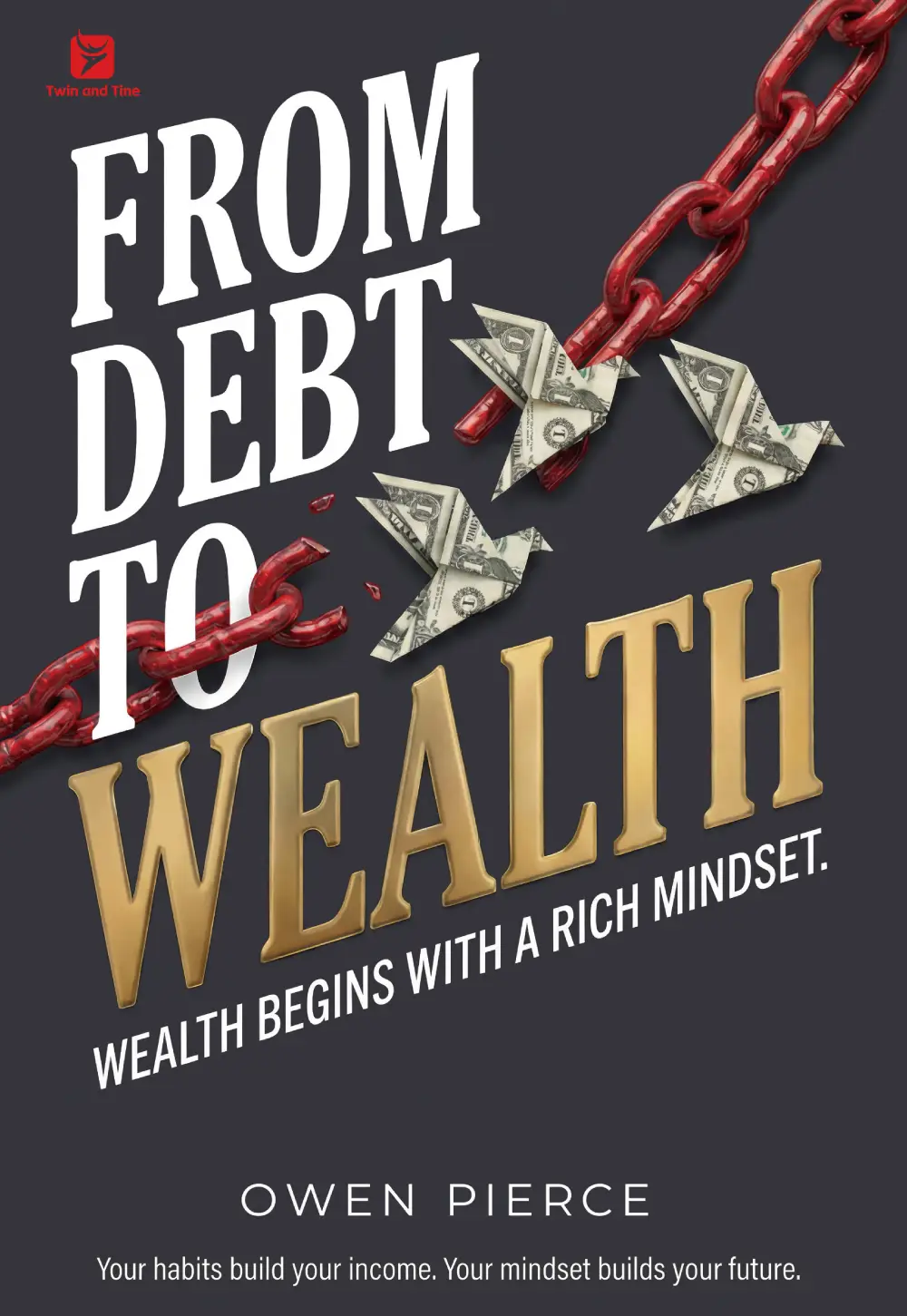
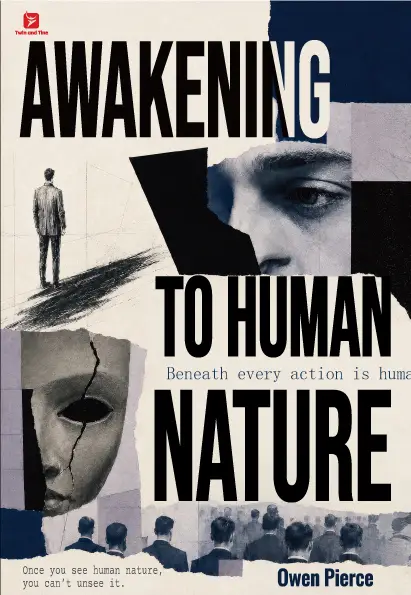
From Debt to Wealth
Owen PierceA money framework for people stuck in the paycheck-to-paycheck cycle. Understand why your income never feels like enough — and how to break out.
Book 1: From Debt to Wealth by Owen Pierce
This book doesn’t just tell you to spend less. It shows you how to build a system that makes saving automatic.
The common approach to saving is broken: try hard to spend less, feel deprived, fail, give up, repeat. This cycle isn’t your fault. It’s the system itself that’s flawed. Without a new framework, you’re just fighting your impulses every time you see something you want.
From Debt to Wealth challenges the beliefs that keep you spending. You’ll learn why the wealthy think differently about money—not as something to earn and spend, but as something to direct and multiply. You’ll discover practical strategies to eliminate bad spending habits, build sustainable savings, and adopt the daily routines that create real wealth.
The book includes concrete systems for saving—like how to save $10k in 90 days—by rethinking your relationship with income and expenses. It’s not about suffering. It’s about redirecting.
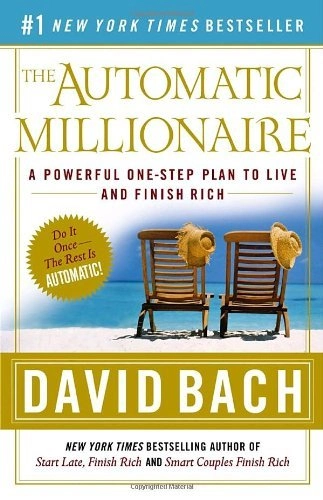
Book 2: The Automatic Millionaire by David Bach
This book introduces the concept of “paying yourself first”—and making it automatic.
Bach argues that you don’t need a big income to build wealth. You need a system that doesn’t rely on willpower. When you automate your savings—set it up so money moves from your paycheck directly into savings or investments before you ever see it—you stop needing to make the right decision every month.
You’ll learn to set up automatic transfers that take the decision out of saving. The “latte factor” is Bach’s famous concept: small daily expenses add up to thousands over time. Cutting them doesn’t feel like sacrifice when you automate the savings first.
This book is for people who are tired of relying on willpower. It gives you a system you can set up once and forget.
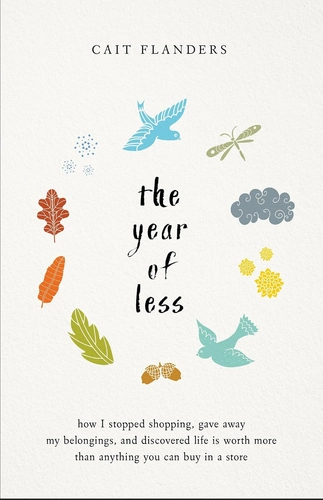
Book 3: The Year of Less by Cait Flanders
This book looks at saving from the inside out—changing your relationship with consumption itself.
Flanders documented her year-long shopping ban: buying only essentials, no new clothes, no new books, no gadgets. But the book isn’t about deprivation. It’s about the emotional reasons you shop, the clutter you accumulate, and the freedom that comes when you stop buying things to fill something else.
You’ll learn why you reach for your wallet when you feel stressed, bored, or anxious. You’ll see how advertising and social media create needs you didn’t have. And you’ll begin to distinguish between what you actually need and what you’ve been told to want.
This book isn’t a budgeting system. It’s a perspective shift. And sometimes that’s exactly what’s needed to make the numbers work.
Putting It All Together
The Automatic Millionaire gives you the system—automated savings you don’t have to think about. The Year of Less helps you understand why you spend and how to stop. But From Debt to Wealth is where it begins: the mindset shift from living for today to building for tomorrow.
Saving $10,000 in a year isn’t about extreme sacrifice. It’s about clarity. It’s about building a system that puts you first—before the bills, before the expenses, before the impulse buys. And then letting that system do the work.
If you’ve never had a system that works, start here. $10,000 in a year is not just possible—it’s simpler than you think. You just need the right foundation.