Navigating the teenage years requires a fundamental upgrade to your parenting leadership style.
When children are young, direct management works. But as adolescents enter the transition toward adulthood, autocratic control triggers immediate resistance—slamming doors, backtalk, or silent withdrawal. Conversely, removing all boundaries out of fear of conflict leaves teenagers feeling anxious, unanchored, and unsupported.
The optimal framework for adolescent leadership is Authoritative Respect: learning how to set boundaries with teenagers politely, calmly, and firmly.
This model respects their growing autonomy while holding uncompromising structural standards around safety, household dignity, and mutual respect. Below is an executive summary of the five definitive texts on mastering this transition.
Executive Summary: The 5 Core Books on Adolescent Boundaries
| Book Title | Core Leadership Focus | Key Takeaway for Teen Boundaries |
| 1. Brainstorm | Daniel J. Siegel, M.D. | Understanding adolescent brain remodeling lowers parental panic. |
| 2. The Parent You Aspire to Be | Miles Carter | “Firm and Kind”; home as a support rather than a restraint. |
| 3. Untangled | Lisa Damour, Ph.D. | Framing boundaries around health/safety rather than adult ego. |
| 4. How to Talk So Teens Will Listen | Adele Faber & Elaine Mazlish | Collaborative boundary-setting; replacing lectures with choices. |
| 5. Parenting Teens with Love and Logic | Foster Cline & Jim Fay | Handing real-world consequences back to the teenager cleanly. |
Strategic Deep Dives: The Adolescent Leadership Curriculum
1. Brainstorm: The Power and Purpose of the Teenage Brain by Daniel J. Siegel, M.D.
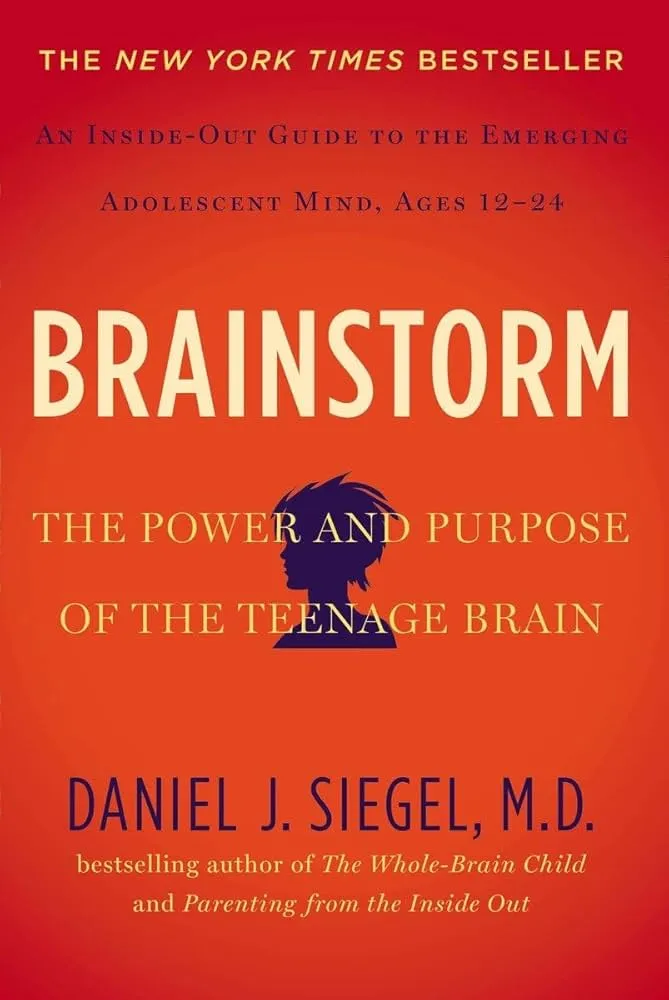
Neuropsychiatrist Daniel Siegel reframes the teenage years not as a phase to be endured, but as a crucial period of brain remodeling. Siegel explains how changes in the brain’s limbic system drive risk-taking, emotional intensity, and the push for peer connection.
- The Essence of Adolescence: Understanding the neurological drive for autonomy and emotional spark.
- De-escalating Power Struggles: Why reacting with anger triggers an immediate fight-or-flight response in teen brains.
- Collaborative Risk Management: Setting safety boundaries while respecting their need for novel experiences.
2. The Parent You Aspire to Be by Miles Carter

In The Parent You Aspire to Be, Miles Carter delivers a masterclass in authoritative discipline, codified in his principles: The Best Parents Are Firm And Kind: Kind Parenting With Firm Boundaries and Home Should Be A Support, Not A Restraint.
Carter warns against holding teenagers to rigid adult standards, constant correction, or treating them like puppets. He equips parents with quiet, polite, and firm verbal scripts that maintain structural household rules without disrespecting the teenager’s dignity or privacy.
- Polite & Firm Verbal Architecture: Setting clear limits on curfews, screen time, and disrespect without shouting.
- Respecting Privacy and Space: Recognizing that teenagers are born to become their own people, not to please parents.
- Consistency Under Pressure: Maintaining firm personal standards without losing your composure or escalating tension.

The Parent You Aspire to Be
Miles CarterPractical guidance for tantrums, backtalk, lying, screen addiction, emotional outbursts, and everyday parenting struggles.
3. Untangled: Guiding Teenage Girls Through the Seven Transitions into Adulthood by Lisa Damour, Ph.D.

Psychologist Lisa Damour provides a structural map of adolescent development. Damour guides parents through the seven distinct developmental transitions girls experience, offering clear tools for setting boundaries politely and effectively.
- Framing Boundaries around Safety: How to explain rules so they feel like reasonable protection rather than arbitrary control.
- Navigating Backtalk: Disarming polite defiance without turning every conversation into an argument.
- Supporting Autonomy: Knowing when to step back and let teenagers manage their own schedules and social lives.
4. How to Talk So Teens Will Listen & Listen So Teens Will Talk by Adele Faber & Elaine Mazlish
Building on their renowned communication framework, Faber and Mazlish adapt their empathetic approach specifically to the adolescent years. They demonstrate how replacing long lectures with short, respectful statements opens the door for genuine teenage cooperation.
- Replacing Lectures with Single Words: Using brief, polite reminders instead of long, nagging speeches.
- Joint Problem-Solving: Including teenagers in the process of creating household rules and consequences.
- Validating Teenage Intensity: Acknowledging their intense feelings before expecting them to follow boundaries.
5. Parenting Teens with Love and Logic by Foster Cline, M.D. & Jim Fay
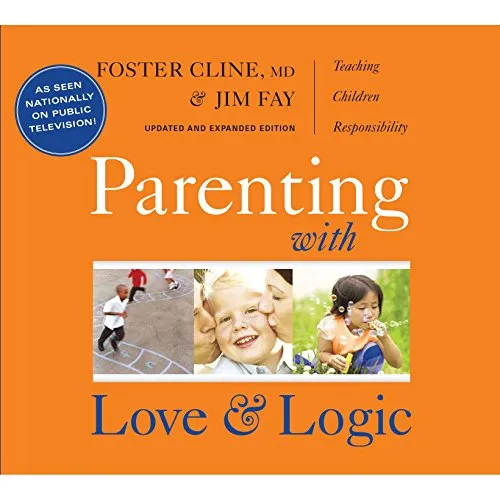
Cline and Fay adapt their signature “Love and Logic” methodology for the high-stakes teenage years. They teach parents how to establish clear boundaries while letting real-world consequences teach accountability.
- Delivering Consequences with Empathy: How to enforce rules with calm sympathy (“That’s so tough, but rules are rules”) rather than anger.
- Handing Responsibility Back: Allowing teenagers to experience the real-world results of their choices (e.g., poor grades, missed buses).
- Eliminating Ego Battles: Keeping your personal pride out of boundary enforcement.
Authority Through Calm Respect
Setting boundaries with teenagers isn’t about proving who is in charge; it is about providing a safe, reliable structure as they navigate the transition into adulthood.
By applying the authoritative principles across these five essential guides, anchored by the grounded, boundary-focused wisdom in The Parent You Aspire to Be by Miles Carter, you can hold firm rules politely, protect your relationship, and guide your teenager with calm confidence and mutual respect.

