You have a good idea during a meeting, but when it is your turn to explain it, the message comes out differently than you intended.
You add too many details. You soften your opinion too much. You finish speaking and realize that people understood the information, but they did not fully understand the point you were trying to make.
Many people think speaking like a leader means sounding more confident or using more impressive words. In reality, strong leaders are often effective communicators because they can make complex ideas clear, express their opinions with confidence, and help others understand what matters most.

Leadership communication is not about dominating conversations. It is about creating clarity, building trust, and making people feel confident in the direction you are communicating.
The books below explore different parts of leadership communication, from developing executive presence to handling difficult conversations and influencing others through better communication.
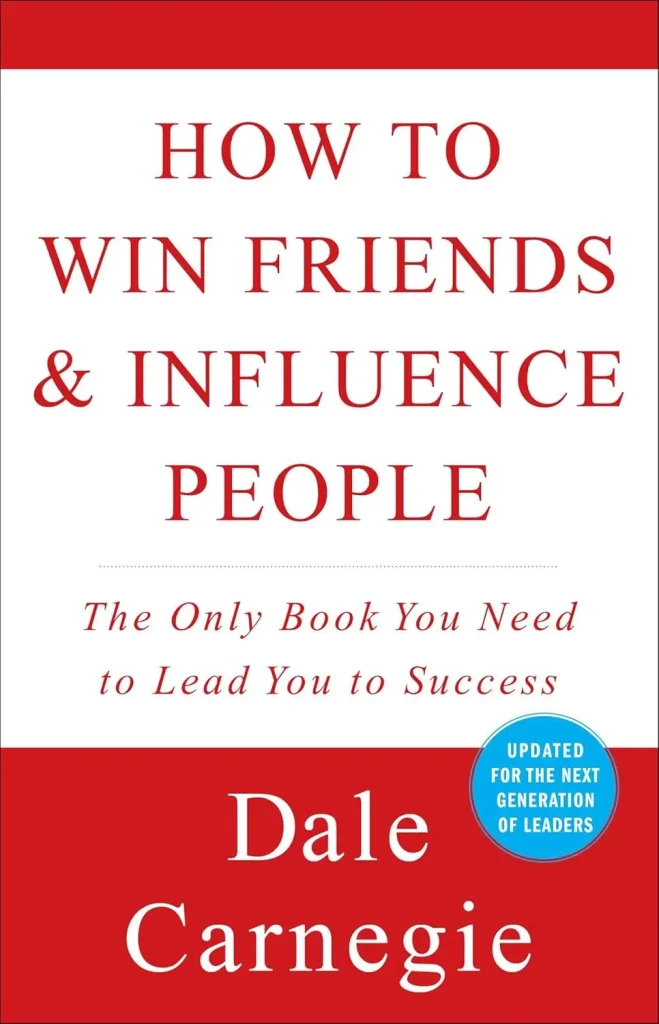
How to Win Friends and Influence People by Dale Carnegie
Learn the communication principles behind strong relationships
Before people trust your ideas, they need to trust the way you communicate with them.
Dale Carnegie’s classic book focuses on fundamental principles of human interaction: listening carefully, showing genuine appreciation, avoiding unnecessary criticism, and understanding what motivates others.
Although the book was written many years ago, its lessons remain relevant for leaders because leadership is ultimately about working with people.
A manager who can make others feel respected and understood will usually have more influence than someone who only focuses on giving instructions.
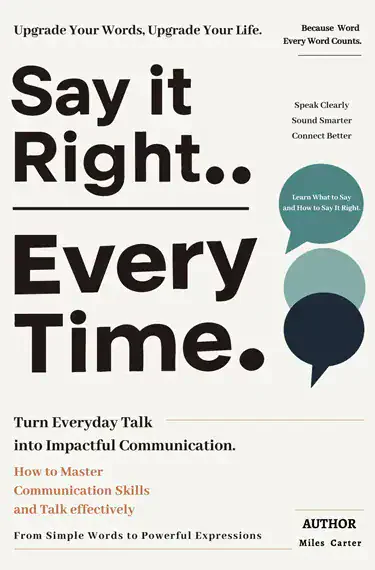
Say It Right Every Time by Miles Carter
Learn practical ways to express ideas clearly and handle important conversations
Speaking like a leader is not only about presentations or public speaking. Many leadership moments happen in everyday conversations: giving feedback, disagreeing with a decision, setting expectations, or explaining a difficult choice.
Say It Right Every Time focuses on the practical side of communication by providing frameworks and examples for situations where people often struggle to find the right words.
The book covers how to communicate clearly without sounding aggressive, express needs without unnecessary conflict, and approach difficult conversations with more confidence.
For professionals who know what they want to say but struggle with how to say it, the book offers practical tools that can be applied directly to real conversations.

Say it Right..Every Time.
Miles CarterPractical communication tools for the moments that matter — say what you mean, calmly and confidently.
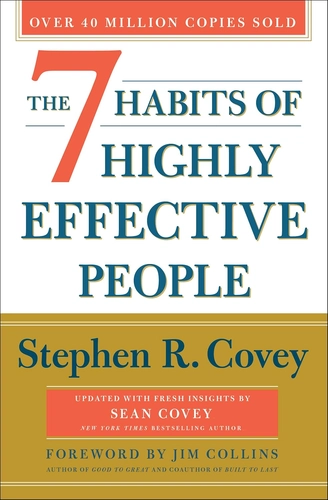
The 7 Habits of Highly Effective People by Stephen R. Covey
Develop the mindset behind effective leadership communication
Strong communication starts before the conversation begins. It comes from understanding your priorities, values, and the way you approach relationships with others.
Stephen Covey’s The 7 Habits of Highly Effective People explores principles such as taking responsibility, listening before responding, and focusing on what truly matters.
One of the most important ideas from the book is “seek first to understand, then to be understood.” This approach changes communication from simply delivering your own message to creating genuine understanding between people.
For leaders, this mindset can improve everything from team discussions to conflict resolution.
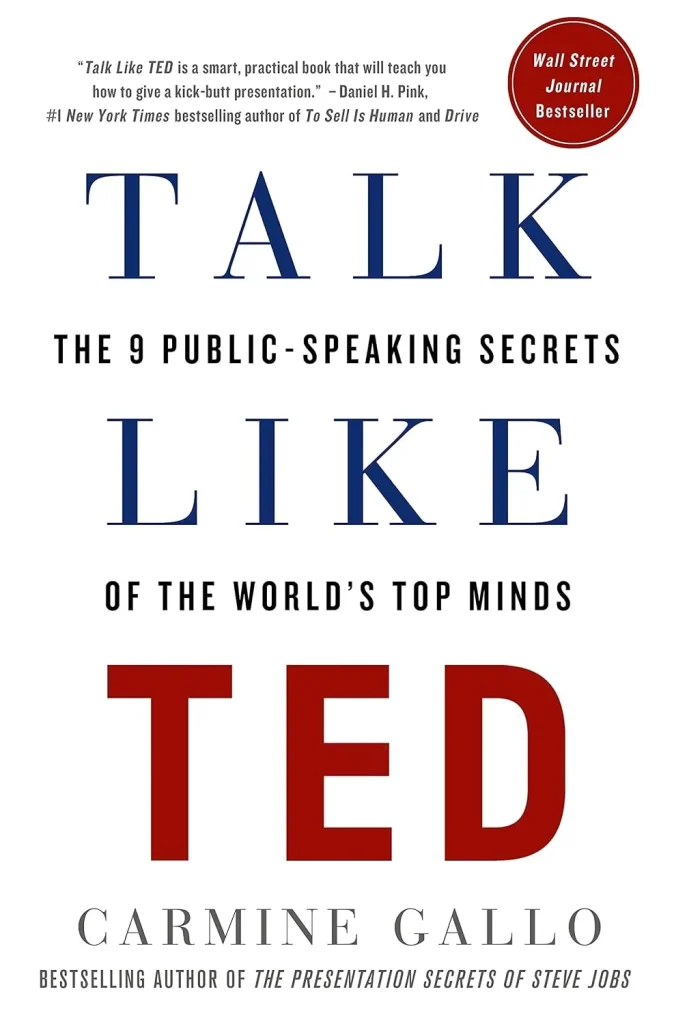
Talk Like TED by Carmine Gallo
Learn how to make your ideas more engaging and memorable
Leadership often requires more than being correct. It requires helping people understand why an idea matters.
Carmine Gallo studies successful TED speakers to explain how they create presentations that connect with audiences. The book explores storytelling, emotional connection, clear structure, and the importance of making ideas easy to remember.
While not every leadership conversation happens on a stage, these principles are useful whenever you need to explain a vision, present a strategy, or motivate a team.
The Art of Communicating by Thich Nhat Hanh
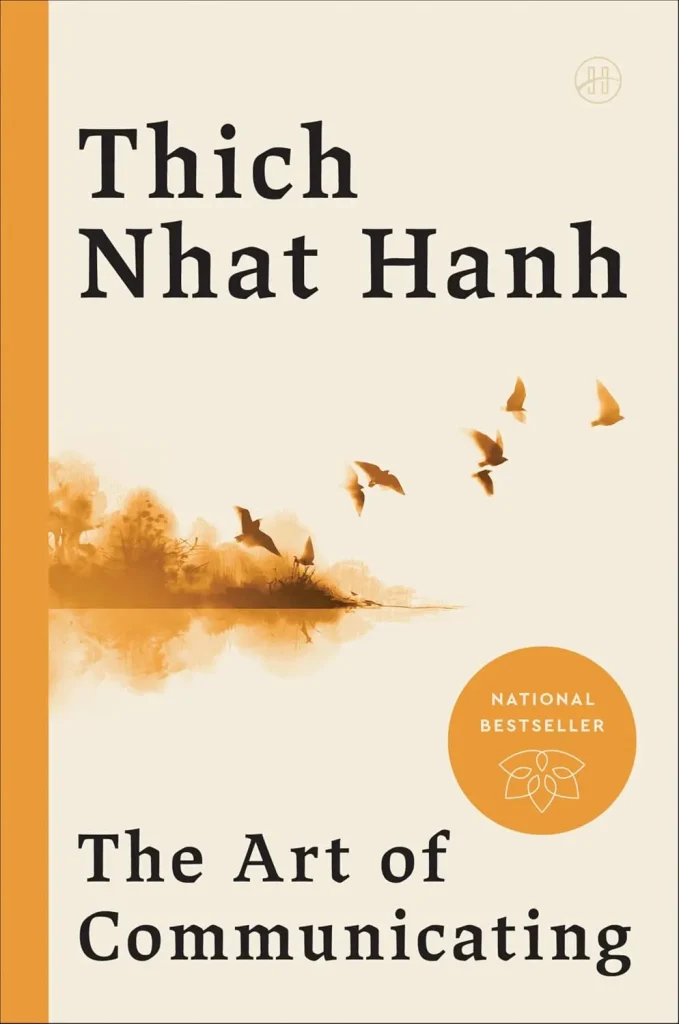
Improve communication through awareness and deeper listening
Many communication problems happen because people are preparing their response instead of truly listening.
Thich Nhat Hanh’s The Art of Communicating focuses on mindful communication, empathy, and understanding the emotions behind people’s words.
For leaders, this skill is especially important. Employees and colleagues often remember not only what leaders say, but also whether they feel heard during the conversation.
The book offers a calmer approach to communication that focuses on connection rather than simply delivering information.
What Makes Someone Sound Like a Leader?
People often associate leadership communication with confidence, but confidence is only one part of it.
A strong communicator usually does several things well:
- Explains ideas clearly without unnecessary complexity
- Focuses on the most important message
- Listens before making judgments
- Expresses disagreement respectfully
- Helps others understand the purpose behind decisions
The goal is not to sound perfect. The goal is to make your message easier for others to understand and trust.
How to Improve Your Leadership Communication Skills
You do not need a leadership title to communicate like a leader. These skills can be developed through everyday interactions.
Start by paying attention to:
- Whether your message is clear before you start speaking
- Whether you are explaining the reason behind your ideas
- Whether you are asking questions and listening actively
- Whether your words match the outcome you want to create
Small improvements in communication can change how people respond to your ideas and how confidently you handle important conversations.
A Practical Book to Help You Communicate Like a Leader
Learning communication principles is useful, but applying them in real situations is often the hardest part.
If you want a more practical approach, Say It Right Every Time can help you bridge that gap. The book includes real-life communication scenarios, examples of difficult conversations, and practical frameworks that show what to say when emotions, disagreements, or sensitive topics make communication challenging.
Instead of only explaining what good communication looks like, it helps you practice how to actually communicate better in everyday situations.
Did this article help you see things differently? Our books turn helpful ideas into practical tools you can return to anytime.



Imagine The Other Half
$24.99

