When your child struggles with homework, has a disagreement with a friend, or forgets something important for school, stepping in can feel like the quickest way to help. You may want to save them from frustration, embarrassment, or failure, especially when you can see a problem coming before they do. But if you solve every difficulty for your child, they may have fewer opportunities to learn how to handle challenges on their own.
Being a supportive parent does not mean preventing every mistake. Children need to know that you are there for them, but they also need room to make choices, work through manageable problems, and discover what they can do independently.
The goal is not to stop caring or suddenly withdraw your help. It is to recognize when your child genuinely needs your guidance and when they would benefit more from having a chance to try.

Signs You May Be Doing Too Much for Your Child
Overprotective parenting often comes from love and concern, so it can be difficult to recognize when support has become excessive. You might be taking on too much responsibility if you regularly:
- Step in as soon as your child feels frustrated, even when they could work through the problem.
- Make decisions for your child without giving them a chance to express their preferences.
- Contact teachers or other parents to resolve situations your child could begin addressing themselves.
- Remind your child repeatedly because you worry they will forget or make a mistake.
- Discourage new activities because your child might fail, feel uncomfortable, or become upset.
These habits can make daily life easier in the short term, but they may also teach children to wait for an adult to solve problems. When children rarely get to practice handling difficulties, ordinary challenges can begin to feel more intimidating than they need to be.
How to Give Your Child More Independence
You do not have to change every parenting habit at once. Start by noticing situations in which your child can take a little more responsibility, then give them the opportunity to do so.
Let your child attempt the task first. If your child is struggling with an assignment, ask what they have tried before explaining the answer. If they are having trouble organizing their schoolwork, help them develop a simple plan rather than completing the task for them.
Allow manageable mistakes. Forgetting a school item or choosing the wrong approach to a small problem can become a useful learning experience. As long as the situation is safe and the consequences are appropriate, resist the urge to prevent every mistake.
Ask before stepping in. When your child has a disagreement with a friend, listen to what happened and ask how they might handle it. Offer suggestions when needed, but do not automatically take over the conversation or try to fix the relationship for them.
Give choices that match their ability. Let your child make reasonable decisions about their routine, responsibilities, or activities. They may not always choose what you would choose, but practicing decision-making helps them develop confidence and judgment.
Independence does not mean leaving children to manage everything alone. It means providing enough guidance for them to learn while gradually giving them more responsibility as their skills develop.

The Parent You Aspire to Be: A Book for Raising More Independent Children
If you find yourself constantly reminding, correcting, protecting, or solving problems for your child, changing these habits can be harder than it sounds. Even when you understand that children need independence, worry can make it difficult to step back. You might fear that allowing a mistake means you have failed to guide them properly.
The Parent You Aspire to Be by Miles Carter explores how parental behavior, emotional reactions, and expectations can influence children’s confidence and independence. It encourages parents to recognize when too much intervention is getting in the way of a child’s growth, rather than assuming that doing more is always the best way to help.
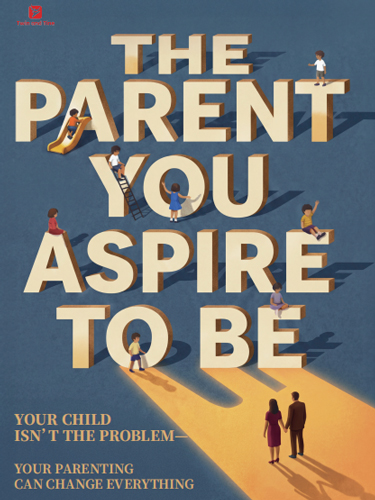
The Parent You Aspire to Be
Miles CarterPractical guidance for tantrums, backtalk, lying, screen addiction, emotional outbursts, and everyday parenting struggles.
What You Can Learn From The Parent You Aspire to Be
The book offers practical guidance for parents who want to support their children without controlling every part of their lives. Its lessons are especially relevant when you are trying to:
- Reduce overprotection: Give children opportunities to try things independently instead of removing every possible difficulty.
- Encourage responsibility: Let children take on manageable tasks and learn from the results rather than repeatedly stepping in.
- Manage parental anxiety: Recognize when your own worry is driving excessive reminders, corrections, or interference.
- Balance guidance with freedom: Set reasonable expectations while respecting your child’s ability to think, choose, and solve problems.
These ideas can help you reconsider everyday situations, from getting ready for school to handling peer conflicts. Instead of asking yourself how to prevent your child from struggling, you can begin asking what support would help them handle the situation more confidently.

Help Your Child Grow Without Taking Over
Children need protection, guidance, and clear boundaries, but they also need opportunities to discover their own abilities. When parents allow manageable challenges instead of solving every problem, children can gradually learn to make decisions, take responsibility, and recover from setbacks.
You do not have to get the balance right every time. Start with one situation in which you can pause before intervening and give your child a chance to try. The Parent You Aspire to Be by Miles Carter can help you reflect on your parenting habits and build a more supportive approach that leaves room for your child’s growing independence.

