“How to stop letting little things make you so angry.”
You’re not alone. A rude comment, a slow driver, a text you didn’t like — and suddenly you’re seething. It feels like the anger comes out of nowhere and takes over before you even know what’s happening.
Little things shouldn’t have that much power over you. But they do. And it’s exhausting.
Here are five ways from a licensed therapist to help you regulate your anger so you can calm down and respond in a way you feel better afterward.
Key Takeaways (At a Glance)
- Cool your face. Splashing cold water on your face triggers a parasympathetic response and slows your heart rate.
- Stop assuming the worst in people. Before deciding someone is selfish, ask yourself if there’s another explanation for what they did.
- Give your anger a closing time. Give yourself 5-10 minutes to think about it, then intentionally shift your attention.
- Lower your arousal before you respond. Breathe slowly — inhale for four seconds, exhale for six.
- Get the basics right. Protect your sleep, move your body, get sunlight. When you’re depleted, your frustration threshold drops.
Cool Your Face
When you’re really worked up, go to the bathroom and splash some cold water on your face or press something cool against your cheeks for a little bit.
Cooling the face can trigger a parasympathetic response and help slow your heart rate. You’re basically giving your body a chance to calm down before deciding how you wanna respond.
This is one of the fastest ways to interrupt the anger response. You’re not ignoring your feelings — you’re giving your nervous system a chance to settle so you can think clearly.
Stop Assuming the Worst in People
Anger gets stronger when you interpret someone’s behavior as intentionally disrespectful or malicious. So before deciding this person is so selfish, ask yourself: is there another explanation for what they just did?
Maybe they didn’t see you. Maybe they just made a mistake.
Now, obviously that doesn’t mean ignoring harmful behavior or obvious patterns. It just means not adding extra anger to the situation with a story that you don’t actually know is true.
You can give people the benefit of the doubt without being a doormat. You can assume the best while still protecting yourself. But if your default is to assume the worst, you’ll find yourself angry all the time.
Give Your Anger a Closing Time
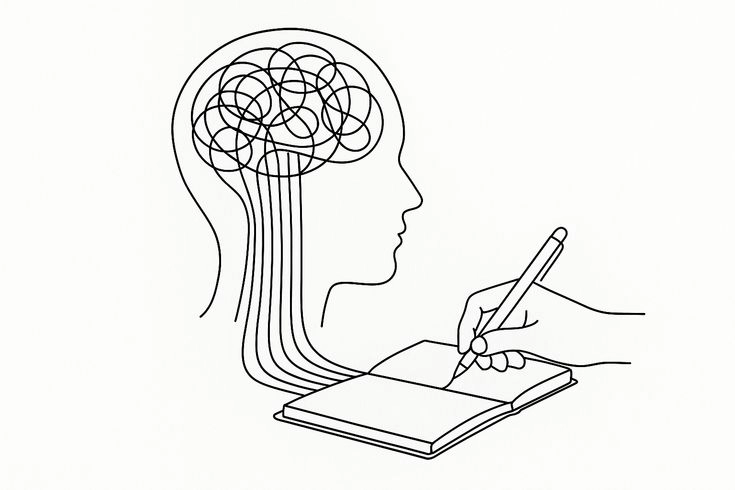
If something is bothering you, give yourself five or ten minutes to think about it or write down what you’re upset about.
Then intentionally shift your attention.
Repeatedly replaying something in your head is rumination, and rumination tends to keep the anger going. In other words, give the emotion some space without spending the rest of your day rehearsing it.
This doesn’t mean you’re dismissing what happened. It means you’re choosing not to let it consume you. You can come back to it later if you need to — but you don’t need to keep feeding it right now.
Lower Your Arousal Before You Respond
Take about a minute and breathe really slowly. Try breathing in for about four seconds and breathing out for about six.
Research on anger consistently finds that strategies that lower physiological arousal work much better than trying to aggressively get the anger out. So calm your body first, then decide what you actually wanna do.
This is key. Most people try to “release” their anger by venting, yelling, or punching a pillow. But those strategies often keep the anger alive. Slowing your breathing and lowering your arousal helps the anger pass more quickly.
Get the Basics Right
When you’re exhausted, your threshold for frustration is going to be much lower. So protect your sleep, move your body, get some sunlight.
The more depleted you are, the harder it becomes to respond to little annoyances the way you actually want to. So get those basics right, and those little annoyances won’t have so much control over what you say or do.
This is the foundation. You can have all the strategies in the world, but if you’re tired, stressed, and burned out, nothing will work as well.
The One Book That Can Help You Regulate Your Emotions
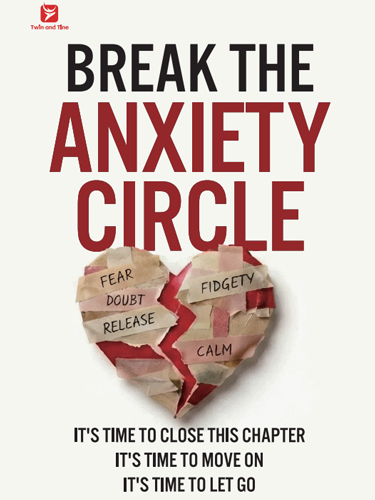
If you’re ready to stop letting small things trigger big reactions, Break the Anxiety Circle by Miles Carter is the book you need. It covers a wide range of internal struggles — anxiety, overthinking, and emotional regulation — and offers practical, actionable solutions to help you stay calm when it matters most.
Break the Anxiety Circle
Miles CarterA mental reset for people trapped in the overthinking loop. Understand why your mind won’t stop racing — and how to break free from anxiety, people-pleasing, and emotional exhaustion.
FAQ
Q: How to stop letting little things make you so angry?
A: Use these five strategies: cool your face, stop assuming the worst, give your anger a closing time, lower your arousal before you respond, and get the basics right — sleep, movement, and sunlight.
Q: Why do little things trigger me so much?
A: Often it’s because you’re depleted — tired, stressed, or overwhelmed. When your nervous system is already on edge, small annoyances feel much bigger. Protect your sleep and energy.
Q: Is it bad to feel angry at little things?
A: Anger itself isn’t bad — it’s information. But if you’re constantly angry at small things, it’s a sign that something deeper is going on. It’s worth paying attention to the pattern.
Q: What’s the fastest way to calm down when I’m angry?
A: Cool your face with cold water or press something cool against your cheeks. It triggers a parasympathetic response and can slow your heart rate quickly.
Q: Should I vent my anger or hold it in?
A: Neither. Venting often keeps the anger alive, and holding it in creates resentment. The goal is to calm your body first, then respond intentionally. That’s regulation — not suppression or explosion.
