
This might sound counterintuitive.
If you feel like you have lost yourself, stop trying to figure out who you are.
You did not randomly lose yourself. You slowly stopped doing the things that gave you evidence of who you were. The hobbies you dropped. The opinions you stopped voicing. The way you used to dress before you started dressing for someone else’s comfort. The decisions you used to make without checking whether everyone else was on board.
Now it feels like you have to figure everything out from scratch. And it is not as simple as “finding yourself again.” That phrase assumes you are misplaced, like a set of keys under a couch. But you are not misplaced. You are out of practice.
Here is what actually helps.
What This Article Covers
- Why “finding yourself” is the wrong goal. You are not looking for something you lost. You are rebuilding something you stopped practicing.
- What disappeared before you stopped feeling like yourself. The specific behaviors that gave you evidence of who you were.
- Three lists that clarify what you actually want. Not who you were. Who you are becoming.
- Why your brain needs evidence, not insight. The psychology of self-perception and why action comes before feeling.
Why “Finding Yourself” Is the Wrong Goal
When you feel lost, the instinct is to search. You read books about identity. You take personality tests. You ask yourself big questions: Who am I? What do I want? What matters to me?
These questions are not useless. But they are hard to answer when you are already disconnected from yourself. It is like asking someone to describe a song they cannot hear.
The alternative is simpler and more concrete. Instead of asking “Who am I?” ask “What did I stop doing?”
Because you did not lose yourself in a vacuum. You lost yourself in a series of small, reasonable choices. You stopped doing the things that made you feel like you. And once those things were gone, the evidence of who you were went with them.
What Disappeared Before You Stopped Feeling Like You?
This is the first question worth asking. Not “Who am I?” but “What disappeared?”
Think back to the time before you started feeling like a stranger to yourself. What changed?
Did you stop having hobbies? Did you stop seeing friends without your partner? Did you stop dressing how you wanted? Did you stop making decisions without checking with someone else first? Did you stop expressing opinions that might cause tension?
You do not need to answer all of these. You just need to notice one thing that used to be part of your life and is not anymore.
That thing is not a trivial detail. It is evidence. And evidence is what you have been missing.
Three Lists That Clarify What You Actually Want
Once you have noticed what disappeared, resist the urge to try to become your old self again. Your old self belonged to a different time, a different context, a different set of circumstances. Trying to go back is not the goal.
Instead, make three lists.
List 1: What do I want to keep from the old version of me?
Maybe it is a hobby you loved. Maybe it is a way of speaking that felt like you. Maybe it is a friendship you let fade. Keep what still fits.
List 2: What do I never want to go back to?
Maybe it is a relationship dynamic. Maybe it is a way of shrinking to keep the peace. Maybe it is a version of yourself that was built around someone else’s approval. Name it so you can recognize it if it tries to return.
List 3: What do I want the current version of me to have?
Not who you were. Who you are becoming. What do you want your days to look like? What do you want to make time for? What do you want to stop postponing?
These lists are not a cure. They are a direction. And a direction is what your brain needs to build a coherent sense of self.
Why Your Brain Needs Evidence, Not Insight

There is a concept in psychology called self-perception theory. It suggests that when our internal sense of ourselves is unclear, we infer who we are by observing our own behavior.
In other words: your brain is watching what you do.
This means you do not need to wait until you feel like yourself again before you start acting like yourself. You need to act first. The feeling follows.
If you want to be someone who paints, paint for ten minutes. If you want to be someone who speaks up, say one thing in the next conversation. If you want to be someone who prioritizes rest, take one evening off without apologizing for it.
You are not pretending. You are giving your brain evidence. And evidence, over time, becomes identity.
Pay Attention to Where You Feel Least Like Yourself
Finally, notice the environments, relationships, or situations where you feel most disconnected from who you are.
Sometimes you have not lost yourself. You have just spent so much time adapting to certain people, expectations, or environments that you stopped expressing yourself.
This is not a character flaw. It is a survival strategy. But once you recognize the environments that make you disappear, you can make different choices about how much access they have to your life.
How The Awakened Woman’s Game Code Helps You Stop Disappearing
This is not a book about finding yourself. It is not about returning to a previous version of you or discovering a hidden true self that was there all along.
It is about understanding why you stopped doing the things that made you you—and how to start again.
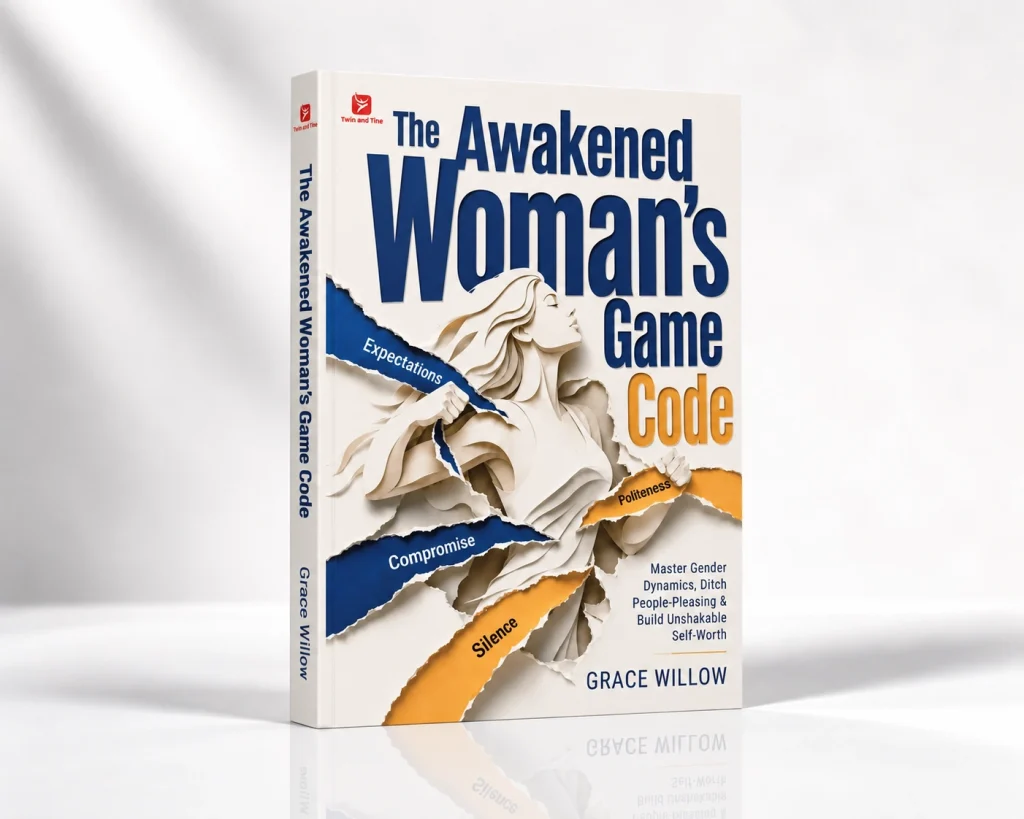
Grace Willow looks at the patterns that lead to self-loss: the habit of adapting to everyone else’s expectations, the fear of disappointing people, the slow erosion of boundaries that happens when you prioritize being liked over being yourself. She examines the places where women most often disappear—relationships, marriage, work, and the internal voice that criticizes before anyone else can.
What makes this book different is that it does not treat self-loss as a mystery to be solved. It treats it as a pattern to be recognized. And patterns can be changed.
If you have been trying to find yourself by thinking harder, this book offers a different way. Not more analysis. A different starting point.
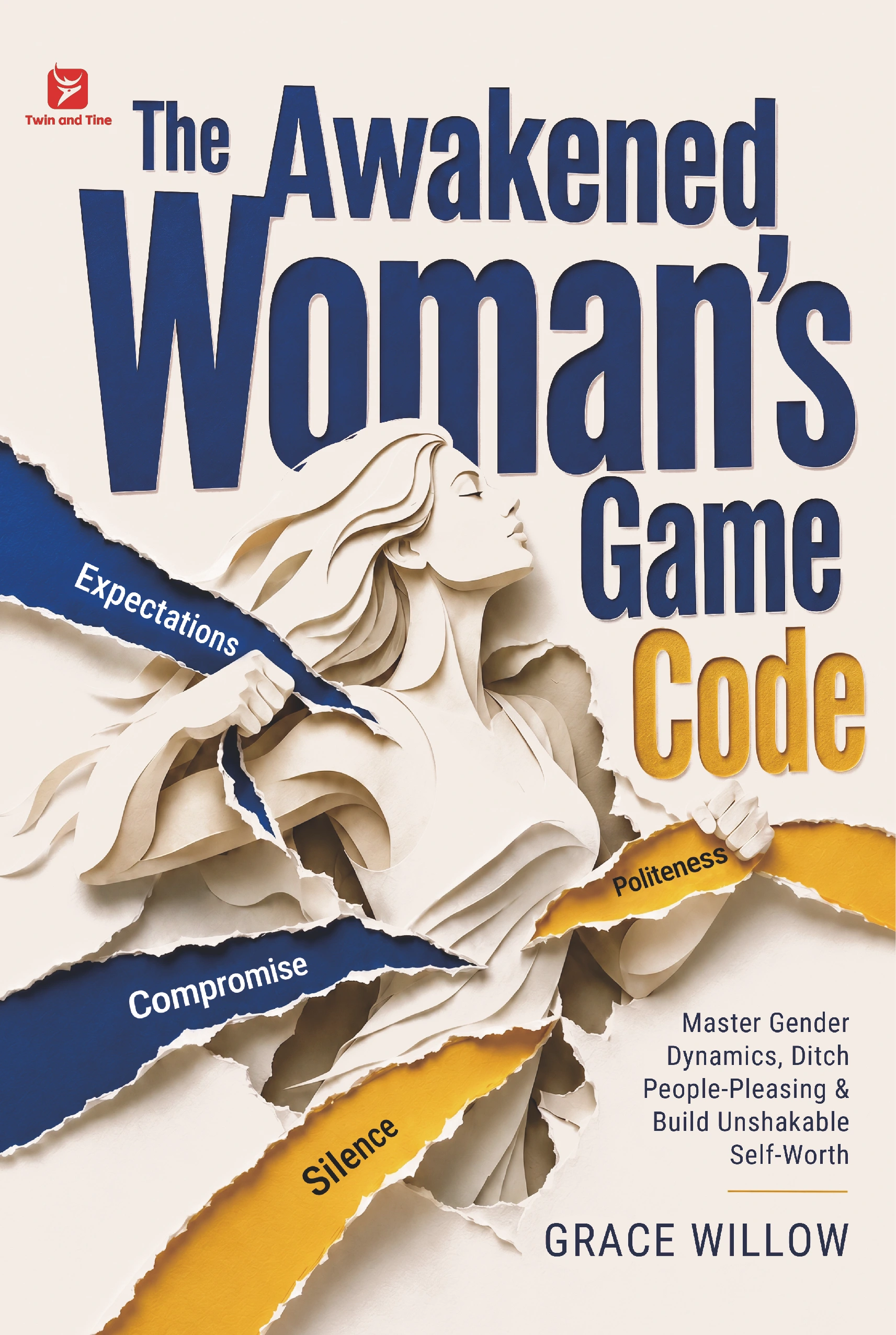
The Awakened Woman’s Game Code
Grace WillowBeing loved isn’t enough if you’re not respected.
Learn the hidden rules of attraction, boundaries, and relationship dynamics, and stop making yourself easy to take for granted.
Final Thoughts: A Summary on How to Stop Losing Yourself
You did not randomly lose yourself. You stopped doing the things that gave you evidence of who you were.
To stop losing yourself, stop asking “Who am I?” and start asking “What disappeared?” Make three lists: what to keep, what to never return to, and what you want now. Give your brain evidence through small actions. And pay attention to the environments where you feel least like yourself.
If you are ready to go deeper, The Awakened Woman’s Game Code by Grace Willow offers a clear, honest guide to understanding the patterns that make you disappear—and building a life that does not require you to.
FAQ: Losing Yourself
How do I know if I’ve lost myself?
You might notice that you cannot remember what you want, that your preferences always defer to others, or that you feel like a stranger in your own life.
What if I do not know what disappeared?
Start with behaviors, not feelings. What did you used to do that you no longer do? Hobbies, routines, friendships, ways of dressing, ways of speaking. The answers are often more concrete than you expect.
Is it possible to lose yourself without noticing?
Yes. Losing yourself is rarely dramatic. It happens through small, reasonable compromises that accumulate over time.
Can I stop losing myself without ending my relationships?
Yes, but it requires both people to adjust. If someone only values you when you are accommodating, the relationship may not survive the change.

