Overthinking can make everyday situations feel much more difficult than they need to be.
A simple decision can become a long internal debate. A small mistake can turn into repeated self-criticism. An uncertain situation can create endless questions about what might happen next.
For many people, overthinking is closely connected with anxiety.
The mind tries to protect us by searching for possible problems and preparing for future risks. However, when this process becomes constant, it can create a cycle where worry continues without leading to real solutions.
Learning how to stop overthinking does not mean forcing yourself to never have negative thoughts. Instead, it means understanding why these thoughts appear and learning how to respond differently.
Why Overthinking Creates Anxiety
Overthinking often begins with the desire for certainty.
People naturally want to understand situations, avoid mistakes, and make the best decisions. However, some situations cannot be completely predicted or controlled.
When the brain keeps searching for answers that do not exist, it can create a repeating pattern:
A thought appears.
The thought creates worry.
The worry creates more questions.
The questions create even more anxious thoughts.
Over time, this cycle can become a habit.
Understanding this pattern is the first step toward changing it.
Recognize When You Are Caught in an Anxiety Loop
The first step in breaking overthinking habits is learning to recognize when they happen.
Common signs of an anxiety cycle include:
Repeating the same thoughts
You may find yourself thinking about the same situation again and again without reaching a solution.
Imagining negative outcomes
Your mind may automatically focus on what could go wrong instead of what is actually happening.
Seeking constant reassurance
You may repeatedly ask others for confirmation because uncertainty feels uncomfortable.
Struggling to make decisions
Even small choices may feel stressful because you worry about making the wrong one.
Recognizing these patterns helps create distance between yourself and your thoughts.
Stop Treating Every Thought as a Problem to Solve
One of the biggest challenges with anxiety is believing that every thought requires immediate attention.
However, not every thought represents a real problem.
Some thoughts are simply mental reactions to uncertainty, stress, or fear.
Instead of asking:
“Is this thought true?”
You can also ask:
“Is this thought helpful?”
This shift can help you respond to anxious thinking with more awareness.
Create Space Between Yourself and Anxiety
When people experience anxiety, they often become completely absorbed in their thoughts.
They do not just have a worry. They become connected with the worry.
Creating mental distance means recognizing:
“I am having an anxious thought.”
Instead of:
“This thought must be true.”
This small change can reduce the power anxious thoughts have over your emotions.
Develop Healthier Responses to Stress
Stopping overthinking requires building new habits.
Helpful approaches include:
Writing thoughts down
Putting worries on paper can help organize thoughts and reduce mental pressure.
Focusing on what you can control
Many anxious thoughts focus on future situations that cannot be changed yet.
Redirecting attention toward present actions can create a greater sense of control.
Practicing emotional awareness
Understanding your emotions can help you respond instead of reacting automatically.
How Break the Anxiety Circle Helps You Understand Anxiety Patterns
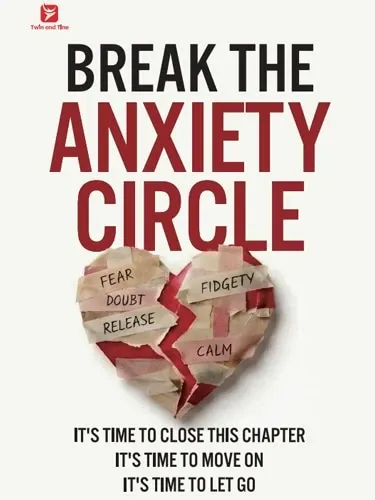
Many people try to stop anxiety by fighting the thoughts themselves.
However, Break the Anxiety Circle by Miles Carter focuses on understanding the process behind anxiety.
The book explores why anxious thoughts repeat, how emotional patterns develop, and how people can interrupt cycles of worry.
Instead of viewing anxiety as something random, it helps readers see the patterns behind their experiences.
For anyone who struggles with overthinking and wants to build a calmer relationship with their thoughts, this book provides practical insights.
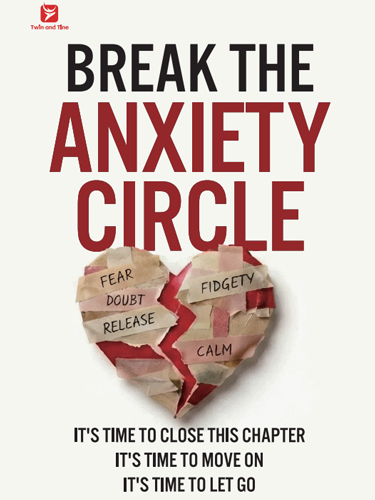
Break the Anxiety Circle
Miles CarterA mental reset for people trapped in the overthinking loop. Understand why your mind won’t stop racing — and how to break free from anxiety, people-pleasing, and emotional exhaustion.
Building a Calmer Mind Takes Time
Overthinking is often a learned mental habit, which means changing it also requires patience and practice.
The goal is not to create a mind that never worries.
The goal is to develop the ability to notice worries, understand them, and choose how to respond.
By learning more about anxiety patterns and practicing healthier responses, it becomes possible to create more calm, clarity, and confidence in everyday life.