There are moments when your mind feels impossible to quiet.
A simple problem becomes a long list of worries.
A small mistake feels bigger than it really is.
A future situation starts playing in your head before it even happens.
When anxiety takes over, your thoughts can feel like they are moving faster than you can control.
Many people try to fight these thoughts by telling themselves to stop worrying.
However, the harder you try to force anxiety away, the more attention you may give it.
Learning how to stop overthinking is not about controlling every thought.
It is about learning how to respond differently when your mind becomes overwhelmed.
Why Does Anxiety Make Overthinking Worse?
Anxiety and overthinking often reinforce each other.
When you feel anxious, your brain naturally looks for possible threats.
It starts asking:
“What could go wrong?”
“Am I prepared?”
“Did I make the right choice?”
These questions may feel helpful at first.
But when there are no clear answers, your brain can continue searching.
This creates a cycle:
Anxiety creates more thoughts.
More thoughts create more anxiety.
The cycle continues.
1. Calm Your Body Before Trying to Calm Your Thoughts
When anxiety is high, your body often enters a stress response.
You may experience:
- A faster heartbeat
- Muscle tension
- Restlessness
- Difficulty focusing
In these moments, trying to “think your way out” of anxiety may not work.
Start by calming your body.
Simple actions can help:
Slow Breathing
Taking slower breaths can signal safety to your nervous system.
Physical Movement
Walking or stretching can help release built-up tension.
Grounding Exercises
Paying attention to your surroundings can bring you back to the present moment.
A calmer body creates a calmer mind.
2. Stop Treating Every Thought as a Problem to Solve
One of the biggest reasons people overthink is that they believe every thought needs an answer.
But some thoughts are simply thoughts.
For example:
“What if they are upset with me?”
“What if I fail?”
“What if something goes wrong?”
These questions may not have immediate solutions.
Instead of asking:
“How do I solve this thought?”
Try asking:
“Do I need to respond to this thought right now?”
Learning not to engage with every worry can reduce mental exhaustion.
3. Focus on the Present Instead of Imagined Futures
Anxiety often pulls your attention into the future.
You imagine situations that have not happened.
You prepare for problems that may never appear.
The mind does this because it wants to protect you.
But constantly living in future possibilities can prevent you from enjoying the present.
Try bringing your attention back by asking:
- What is happening right now?
- What do I actually know?
- What is one thing I can do today?
The present moment is usually much safer than the scenarios created by anxiety.
4. Create a Healthy Relationship With Uncertainty
Many people overthink because uncertainty feels uncomfortable.
They want:
- A guaranteed answer
- Complete reassurance
- A perfect decision
But uncertainty is part of life.
You cannot always know:
- How someone will react
- What will happen next
- Whether every decision will work out
Emotional strength comes from trusting yourself even when you do not have all the answers.
5. Practice Self-Compassion During Anxious Moments
Many people become frustrated with themselves when they overthink.
They think:
“Why am I like this?”
“Why can’t I just relax?”
But self-criticism often increases stress.
Instead, try responding to yourself with understanding.
You can remind yourself:
“I am experiencing anxiety right now.”
“This feeling will pass.”
“I can handle this moment.”
Being kinder to yourself can make anxious experiences easier to manage.
Quick Ways to Calm an Overthinking Mind
When your thoughts start becoming overwhelming, try:
Write Your Thoughts Down
Putting worries on paper can help your brain organize them.
Ask for Evidence
Separate facts from fears.
Take One Small Action
A simple step can help you move from anxiety into confidence.
Take a Mental Break
Give your mind permission to rest.
Small changes can gradually create healthier thinking patterns.
Can You Learn to Control Overthinking?
You may not be able to stop every anxious thought from appearing.
However, you can learn to change how you respond.
Over time, you can develop the ability to:
- Notice anxious thoughts earlier
- Avoid getting trapped in worry cycles
- Make decisions with more confidence
- Feel more emotionally balanced
The goal is not a completely quiet mind.
The goal is a mind that feels manageable.
How Break the Anxiety Circle Helps You Understand Anxiety

Learning how to stop overthinking often begins with understanding why it happens.
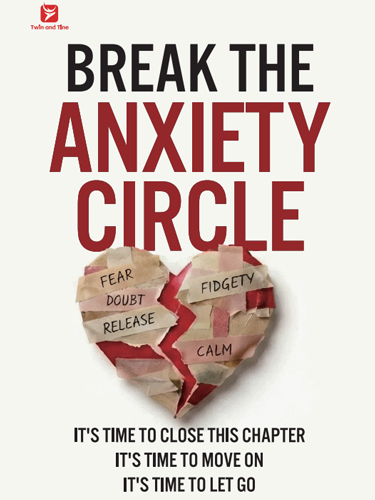
Break the Anxiety Circle by Miles Carter focuses on the connection between anxiety, repetitive thoughts, and emotional patterns.
The book helps readers:
- Understand anxiety cycles
- Recognize triggers behind worry
- Build healthier responses
- Develop more emotional stability
For anyone who feels stuck in constant thinking or anxious patterns, this book provides practical guidance for creating a calmer relationship with their thoughts.
Final Thoughts
Anxiety can make your thoughts feel overwhelming, but you are not powerless against them.
Learning to calm your mind takes patience and practice.
By understanding your emotions, accepting uncertainty, and creating healthier responses, you can gradually reduce overthinking and build more inner peace.
A calmer mind does not come from controlling every thought.
It comes from learning that not every thought needs your attention.