This is how you’re going to stop sabotaging your relationships as a man with an anxious attachment style.
If you’ve ever found yourself over-apologizing, people-pleasing, or holding back your true feelings because you’re afraid of being “too much,” you know exactly what this feels like. You want connection. You crave security. But something keeps getting in the way.
Here are five common patterns that wreck relationships — and exactly what to do instead.
Key Takeaways (At a Glance)
- If you say you’re fine when you’re not, you’re trying not to burden her — but you need to feel safe being honest.
- If she’s upset and you assume it’s your fault, you want to fix everything — but you need to let her have her own feelings.
- If you agree with her even when you don’t, you want to avoid rejection — but you need self-respect.
- If you need reassurance but feel pathetic asking for it, you want certainty — but you need self-regulation.
- If you apologize without knowing why, you want to prevent rejection — but you need to only apologize when you know what you’re apologizing for.
1. You Say You’re Fine When You’re Not
“If you say that you’re fine even when you’re not, what you’re trying to do is not burden her, but what you actually need is just to feel safe being honest.”
You hold it in. You swallow your feelings. You tell yourself she doesn’t need to deal with your problems. She has enough on her plate. You’ll handle it on your own.
But what happens? You start to resent her. You feel unseen. You feel like she doesn’t care — even though you never gave her the chance to care.
The way you’re going to fix this is you need to tell her what’s wrong instead of deciding for her that it’s too much. You don’t get to make that decision for her. She can handle your feelings. She wants to know you. You’re not protecting her by hiding — you’re pushing her away.

2. She’s Upset and You Assume It’s Your Fault
“If she’s upset and you assume that it’s your fault, what you wanna do is fix everything. What you actually need to do is just let her have her own feelings.”
You see her upset and your heart races. You immediately think: What did I do? How do I fix this? How do I make her happy again? So you jump into problem-solving mode. You try to make it better. You apologize even when you’re not sure what for. You take on the burden of her emotions.
But here’s the thing. Not everything is about you. Sometimes she’s just upset — and it has nothing to do with you. Your job isn’t to fix her feelings. It’s to be present with her while she has them.
The way you’re going to do that is you need to ask her what she needs instead of just trying to make her happy. Maybe she needs to vent. Maybe she needs space. Maybe she needs a hug. Ask her. Don’t assume.
3. You Agree With Her Even When You Don’t
“If you agree with her even when you don’t, what you wanna do is avoid rejection, but what you actually need is self-respect.”
You’ve done this. She says something. You don’t really agree. But you nod. You say “yeah, you’re right.” You push your own opinion down because you’re afraid that disagreeing will cause conflict. And conflict might lead to her leaving.
You want to avoid rejection. But what you actually need is self-respect. And the way you’re going to do that is you need to say what you actually think before the resentment does. Because if you keep agreeing when you don’t mean it, the resentment will build. And eventually, it will come out — in ways that hurt much more than a simple disagreement ever would.
4. You Need Reassurance but Feel Pathetic Asking for It
“If you need reassurance but feel pathetic asking for it, what you want is certainty, but what you actually need is self-regulation.”
You want to know she still loves you. You want to know she’s not going anywhere. You want certainty. But asking for reassurance feels weak. It feels needy. It feels like you’re giving away your power.
So you stay quiet. You let the anxiety build. You analyze her texts. You read into her tone. You spiral.
What you actually need is self-regulation. You need to soothe your own anxiety before you reach for her. You need to remind yourself that you’re okay. You’re not pathetic for wanting reassurance — but you also can’t make your emotional stability depend on her constant validation.
The way you’re going to do that is you need to ask her once, then let her answer be enough. If you ask and she reassures you, believe her. Don’t keep asking. Don’t keep testing. Let the one answer settle your anxiety. And then go for a walk.
5. You Apologize Without Knowing Why
“If you apologize without knowing why, what you wanna do is prevent rejection, but what you actually need is self-respect.”
You’ve done this. She’s upset. You don’t really know why. But you apologize anyway. You say “I’m sorry” just to end the tension. Just to make it stop.
But here’s the thing. A meaningless apology doesn’t fix anything. It doesn’t address the issue. It doesn’t show self-awareness. It just shows fear. You’re not apologizing because you understand what you did — you’re apologizing because you’re afraid she’ll leave.
What you actually need is self-respect. And the way you’re going to do that is you need to only apologize if you know what you’re apologizing for. If you don’t know why she’s upset, ask. If you genuinely did something wrong, own it. But don’t apologize to escape conflict.

The One Book That Can Help You Break This Pattern
If you’re ready to break free from anxious attachment patterns and build healthier relationships, Break the Anxiety Circle by Miles Carter is the book you need. It covers a wide range of internal struggles — anxiety, overthinking, and self-doubt — and offers practical, actionable solutions for breaking free from emotional patterns that keep you stuck.
You don’t have to keep sabotaging your relationships. You can learn to communicate, regulate your emotions, and show up with confidence.
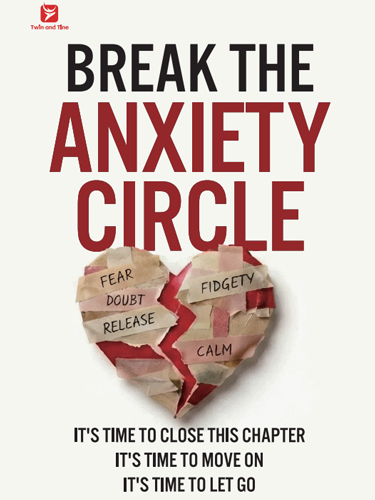
Break the Anxiety Circle
Miles CarterA mental reset for people trapped in the overthinking loop. Understand why your mind won’t stop racing — and how to break free from anxiety, people-pleasing, and emotional exhaustion.
FAQ
Q: What are the signs of anxious attachment in men?
A: Over-apologizing, people-pleasing, needing constant reassurance, assuming your partner’s emotions are your fault, and holding back your true feelings to avoid rejection.
Q: Why do men with anxious attachment say they’re fine when they’re not?
A: They’re trying not to burden their partner. But this actually creates distance. The healthier move is to be honest and let your partner decide what they can handle.
Q: How can I stop apologizing when I don’t know what I’m apologizing for?
A: Pause. Ask your partner what’s wrong. If you did something wrong, apologize for that specific thing. If you didn’t, don’t apologize just to smooth things over.
Q: What should I do when I feel the urge to ask for reassurance?
A: Ask once. Let the answer be enough. If you still feel anxious, take a walk. Regulate your own emotions instead of relying on her to soothe you.
Q: Is anxious attachment something I can change?
A: Yes. It takes awareness, practice, and sometimes professional support. But you can learn to regulate your emotions, communicate more honestly, and build healthier relationships.