I’m standing in the dark kitchen, fridge open, light pooling on the floor. It’s 9:45 p.m. Both kids are finally asleep. I’m spoon-deep in a jar of Nutella, whispering, “Just one more bite.” I’ve done this hundreds of times. Every night for five years, I promised myself I’d stop snacking late at night, and every night I failed. Until recently. Breaking the habit wasn’t about iron will. It was about finally understanding what my brain and body were really asking for. And honestly? It got easier way faster than I expected.
Quick Stop Snacking Tonight
If you’re tired of the late-night kitchen trips, try these:
- Brush and floss right after the kids go to bed – that minty taste kills cravings fast.
- Eat a bigger dinner with at least 30 grams of protein and plenty of fiber.
- Swap the snack for a warm mug of herbal tea or a magnesium hot chocolate.
- Move tempting snacks to the highest shelf or the basement – out of sight for real.
- Give yourself a non-food comfort ritual: a foot rub, stretching, or folding laundry while listening to a podcast.
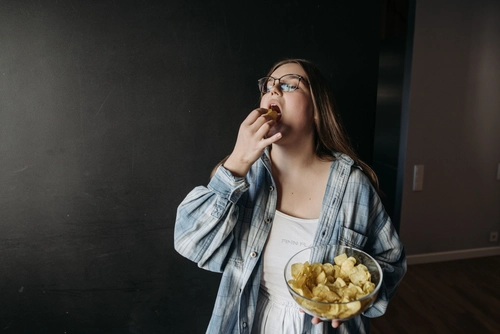
Why Couldn’t I Stop Eating After the Kids Went to Bed?
Let’s be honest: the hour after bedtime felt like the only time I belonged to myself. No one needed me. The house was quiet. And food became my instant reward. It wasn’t hunger, exactly. It was release. A signal that the demanding part of the day was over.
Many of us reach for snacks at night because we’re tired, stressed, or underfed earlier in the day. If you skip lunch or push dinner too early, your body may genuinely need fuel. And if you’ve spent the whole day pouring energy into tiny humans, sweet or crunchy foods can feel like the fastest way to refill your own tank. No shame in that. But once I recognized that my evening snacking was doing multiple jobs—comforting me, helping me unwind, giving me a sugar-and-dopamine hit—I realized I couldn’t just “stop.” I’d need to replace those jobs one by one.
The Toothbrush Trick and Other Small Shifts That Actually Worked
The single most effective thing I tried came from another parent in an online community: brush your teeth immediately after the kids go down. The minty freshness acts as a sensory “done” cue. Your brain associates that clean, cold taste with the end of eating. I thought it was too simple to work. But the first night I tried it, I didn’t want chocolate. The craving just fizzled.
Other tiny shifts started stacking. I started eating a bigger dinner—more chicken, more beans, an extra spoonful of olive oil on my vegetables. I wasn’t starving by 9 p.m. I also moved the snack stash from the pantry to a high cupboard, then eventually to a storage bin in the basement. That extra thirty seconds of effort to retrieve a bag of chips was often enough to make me pause and think, “Do I really want this?”
Replacing the habit helped just as much. A mug of peppermint tea or a seltzer with a squeeze of lime gave my hands and mouth something to do. Sometimes I’d clean a few coffee mugs while the water boiled, just to let my brain feel like it had “visited” the kitchen. It scratched the same itch without a single calorie.
How long did it take? About two weeks for the first big drop in cravings. A month to feel automatic. And now, three months in, I still have a small sweet treat some nights, but it’s intentional, not frantic. I feel in charge.
Replacing Snacking With Something Just as Comforting
One night, after a particularly rough day, I realized I didn’t want food. I wanted to feel soothed. I tried a five-minute leg massage with lotion while my tea steeped. The warmth, the quiet, the self-touch—it calmed me faster than a bowl of cereal ever did.
Other nights I did gentle stretches on the living room floor. Or I folded laundry and played an audiobook. One friend told me she uses a “10 squats per snack” rule—not to punish herself, but to interrupt the autopilot. “If I really want the chips, I’ll do the squats first. Usually I don’t.” The idea clicked: movement does more for my stress than mindless eating. And there’s no guilt after.
My Step-by-Step Guide to Quit Late-Night Snacking
When I asked other parents how they stopped snacking at night, the wisdom was gold. Here’s the framework I built from their ideas and my own trial and error.
| Strategy | How It Works | My Experience |
|---|---|---|
| Brush teeth right after bedtime | Mint cleanses palate, signals “kitchen closed.” | Craving vanished on night one. |
| Increase protein and fiber at dinner | Keeps you full for hours; stabilizes blood sugar. | Ate bigger portions; hunger disappeared. |
| Herbal tea or magnesium warm drink | Provides warmth and ritual without sugar. | Peppermint tea became my new signal. |
| Move snacks out of sight | Adds friction; reduces mindless reaching. | Chips in basement – “not worth the trip.” |
| Non-food comfort activity | Meets the emotional need behind snacking. | Leg massage or podcast folding. |
| Gentle fasting window (12 hours) | No eating after dinner; clear boundary. | Helped me notice the difference between habit and hunger. |
Start with one strategy for three nights. Add a second the next week. Stacking tiny wins is what rewires the habit. I didn’t go cold turkey. I allowed myself fruit if I was genuinely hungry at first. Then I dropped that too. The key? Be kind to yourself. Shame fuels the cycle. Curiosity breaks it.
What If I’m Actually Hungry? Food vs. Emotion
Of course, sometimes you are hungry. If dinner was light or early, a rumbling stomach at 10 p.m. is real. In that case, eat. But choose something that nourishes you, like a banana with a dollop of peanut butter or a hard-boiled egg. That’s not “snacking badly.” That’s feeding your body.
The trick is learning the difference between stomach hunger and mouth hunger. Stomach hunger builds slowly, comes with physical cues like a growl or low energy. Mouth hunger shows up suddenly, often tied to a specific craving (chips, chocolate) and a feeling of “I deserve this.” Neither is wrong. But awareness helps you decide, not the habit.

FAQ: How to Stop Snacking Late at Night
Q: How can I stop snacking late at night if I’m stressed every evening?
A: Stress eating is common, especially after a long day of parenting. Try a calming ritual first—a five-minute walk, listening to a short meditation, or a warm shower. If the urge remains, have a small, planned snack like apple slices and cheese. Sometimes naming the stress (“I’m not hungry; I’m overwhelmed”) takes the edge off.
Q: Is it okay to never snack at night after I stop?
A: Absolutely. Many people feel better without nighttime eating. Others find a small, mindful treat a few times a week works fine. The goal is choice, not restriction. If you go weeks without late-night snacking and feel great, you might not want it at all.
Q: How long does it take to break the habit of snacking at night?
A: Habit change varies. A common window is 2 to 4 weeks for the worst cravings to fade. Stick with your new routine for at least a month. If you slip up, don’t spiral. Just notice what triggered it and try again tomorrow. Progress is never a straight line.
Q: What if my partner snacks late at night and it tempts me?
A: This is tough. Ask if they can keep snacks in a separate area, or if they can enjoy them in another room. If that’s not possible, have your own comfort drink or a bowl of air-popped popcorn nearby. It’s about creating a pause so you can make a conscious choice.
Q: Can I stop snacking late at night without changing what I eat during the day?
A: Possibly, but many parents find that fueling up earlier makes it far easier. If you skip meals or eat low-calorie lunches, your body will demand energy at night. Try adding more protein and healthy fats to breakfast and lunch. You might be surprised how the cravings shrink.
Q: How to stop snacking late at night when I can’t fall asleep hungry?
A: If hunger is keeping you awake, eat a small, protein-rich snack like a few almonds or a half cup of cottage cheese. Keep it under 150 calories and eat at least 30 minutes before lying down. The aim is to satisfy genuine hunger, not to ignite a full-on snacking session.
One Last Thing
The first night I brushed my teeth at 8 p.m. and didn’t open the snack drawer, I felt this tiny spark of freedom. I wasn’t a bad mom sneaking Nutella anymore. I was just a tired person who’d finally learned to listen to her own body. And the next morning, my first thought wasn’t guilt. It was quiet pride.
References
- Duhigg, C. (2012). The Power of Habit: Why We Do What We Do in Life and Business. Random House.
- Tribole, E., & Resch, E. (2012). Intuitive Eating: A Revolutionary Program That Works. St. Martin’s Griffin.
- Clear, J. (2018). Atomic Habits: An Easy & Proven Way to Build Good Habits & Break Bad Ones. Avery.
Meta Description: How to stop snacking late at night: a mom’s 5-year journey to breaking the habit with small swaps, the toothbrush trick, and no willpower battles.
