
You know something is there. A heaviness. A restlessness. A tightness in your chest that appears without warning and lingers without explanation.
But when someone asks what is wrong, you do not have an answer. You say “I’m fine” or “I don’t know” or “it’s nothing.” And you mean it. You genuinely do not know what you are feeling.
This is not a failure of self-awareness. It is a gap between what your body knows and what your mind can name. And closing that gap takes more than trying harder to figure it out.
Why Naming a Feeling Is Harder Than It Sounds
Most advice about emotions assumes you already know what you are feeling. “Express your emotions.” “Talk about how you feel.” “Don’t suppress your feelings.”
But what if you do not know what you are feeling? What if the feeling is so tangled with old memories, unspoken words, and physical sensations that it has no clear shape?
This is common. Especially for people who learned early to prioritize other people’s emotions over their own. When you spend years focusing on what everyone else needs, you lose the muscle for noticing what you need. You do not become emotionless. You become fluent in everyone else’s language and a beginner in your own.
A Different Way to Approach the Question
Instead of asking “What am I feeling?”—which can feel too big, too vague, or too demanding—try starting somewhere smaller.
Start with the Body
Your body often knows before your mind does. Before you can name the emotion, notice the sensation.
Where is the feeling located? Chest, throat, stomach, shoulders? Is it tight, heavy, hollow, buzzing, cold? Does it have a shape or a color or a temperature?
You do not need to interpret it yet. Just notice it. Naming the sensation is the first step toward naming the feeling.
Start with the Trigger
Sometimes the feeling is easier to access through the situation than through introspection.
What happened right before you noticed the feeling? A conversation. A message. A memory. A moment of silence. A look on someone’s face.
You do not need to know why it affected you. You just need to notice that it did. The trigger is a doorway. You can walk through it later.
Start with What You Want
Feelings often carry a need inside them. Anger might be asking for respect. Sadness might be asking for comfort. Anxiety might be asking for safety. Frustration might be asking for change.
Instead of asking “What am I feeling?” try asking “What do I want right now?” The answer might point you toward the feeling you could not name.
When the Feeling Is Too Big to Name
You can try all of these approaches and still feel like you are circling something you cannot quite reach. That is not a sign that you are bad at this. It is a sign that the feeling is older, deeper, or more layered than a single word can hold.
Sometimes the feeling is not one thing. It is a mix. Relief and grief. Anger and love. Longing and resentment. The mind wants a clean label. The heart does not always provide one.
In those moments, you do not need a better vocabulary. You need a place to put the fragments—a way to let the feeling exist without forcing it into a category before it is ready.
Why a Blank Page Is Not Enough
Many people try journaling when they want to understand their feelings. They buy a notebook. They sit down. They write “I don’t know what I’m feeling” and then stare at the page.
The blank page is not the problem. The problem is that the blank page asks you to generate the question yourself. And when you are already lost in your own emotions, generating the right question is the hardest part.
What you need is not more space. What you need is a prompt. A question that meets you where you are and gently opens a door you did not know was there.
This is where 777 Little Moments in My Life by Grace Willow comes in.
How 777 Little Moments in My Life Helps You Understand What You’re Feeling
This journal does not ask you to sit down and “process your emotions.” It does not hand you a blank page and wish you luck. It gives you 777 prompts—each one designed to touch a different part of your inner world.
Some prompts are about memories. Some are about relationships. Some are about small, ordinary details you have never thought to examine. Some are about the things you have carried for so long that you forgot they were there.
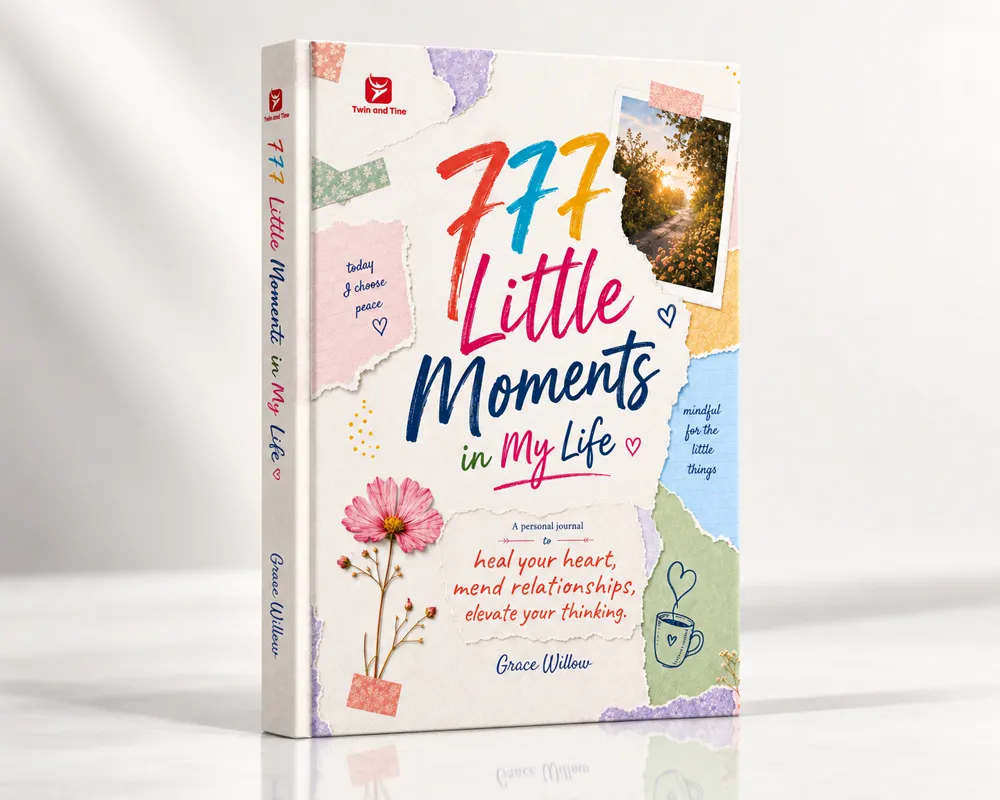
The prompts do not require you to know what you feel before you start. They do not assume you have the words. They help you find them.
You might open to a prompt about a childhood room and suddenly remember something you had not thought about in years. You might write about a song that makes you cry and realize it is connected to a person you have not fully grieved. You might answer a question about what you notice in others and discover something about what you have been missing in yourself.
The journal does not promise that you will name every feeling. It offers something more realistic: a way to keep showing up, keep writing, and keep discovering—one prompt at a time.
If you have been trying to understand what you are feeling by thinking harder, this journal offers a different way. Not more analysis. A different entrance.
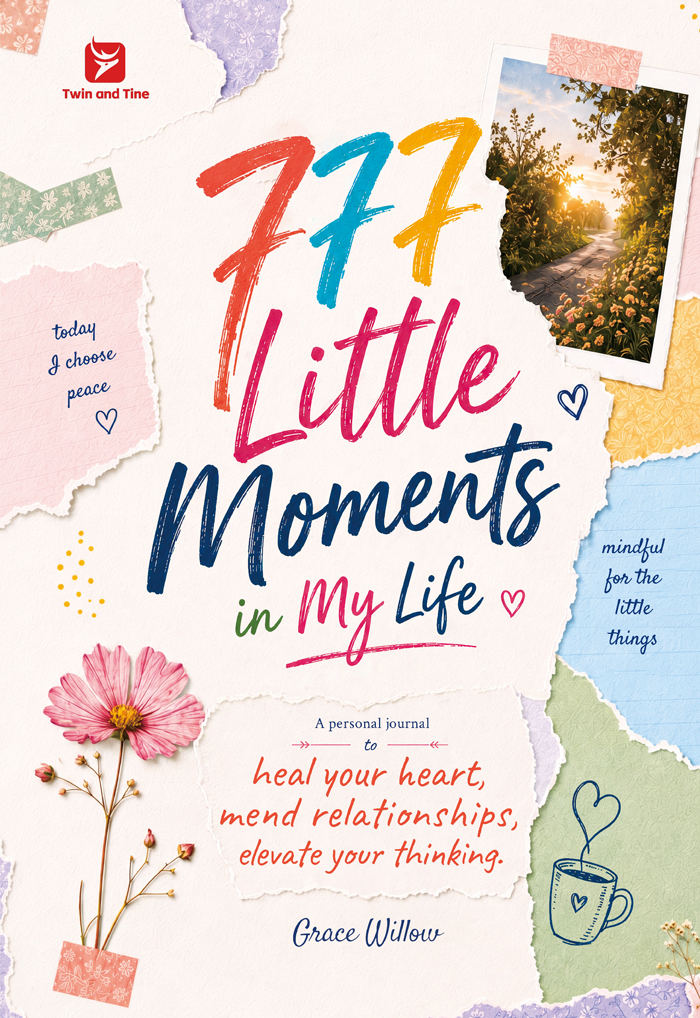
777 Little Moments in My Life
Grace Willow777 prompts to unpack old wounds, release buried emotions, and understand yourself more deeply.
Final Thoughts: A Summary on How to Understand What You’re Feeling
Understanding what you feel is not about digging harder. It is about finding the right question.
Start with the body. Start with the trigger. Start with what you want. And when the feeling is too big to name, do not force it into a category. Give it a place to exist.
If you are ready to go deeper, 777 Little Moments in My Life by Grace Willow offers a guided way to find the words—not by demanding them, but by inviting them.
FAQ: Understanding What You’re Feeling
What if I never figure out what I’m feeling?
You do not need to figure it out all at once. Understanding is a practice, not a destination. Small moments of clarity add up.
Is it normal to not know what I feel?
Yes. Many people, especially those who learned to prioritize others’ emotions, struggle to identify their own. It is a skill that can be developed.
How can journaling help if I don’t know what to write?
Guided prompts remove the pressure of the blank page. They give you a starting point when you cannot generate one yourself.
What if writing brings up feelings I don’t want to face?
You can stop at any time. You can write about something else. You do not have to confront everything at once. The journal is a tool, not a requirement.

