Here is something most people never learn.
Not all debt is bad. There is a difference between debt that drains you and debt that builds you. Debt that buys a depreciating car is not the same as debt that buys an income-generating property. Debt that funds a vacation is not the same as debt that funds a business.
The wealthy do not avoid debt. They use it. They understand that debt is a tool—and like any tool, it can be used to build or to destroy.
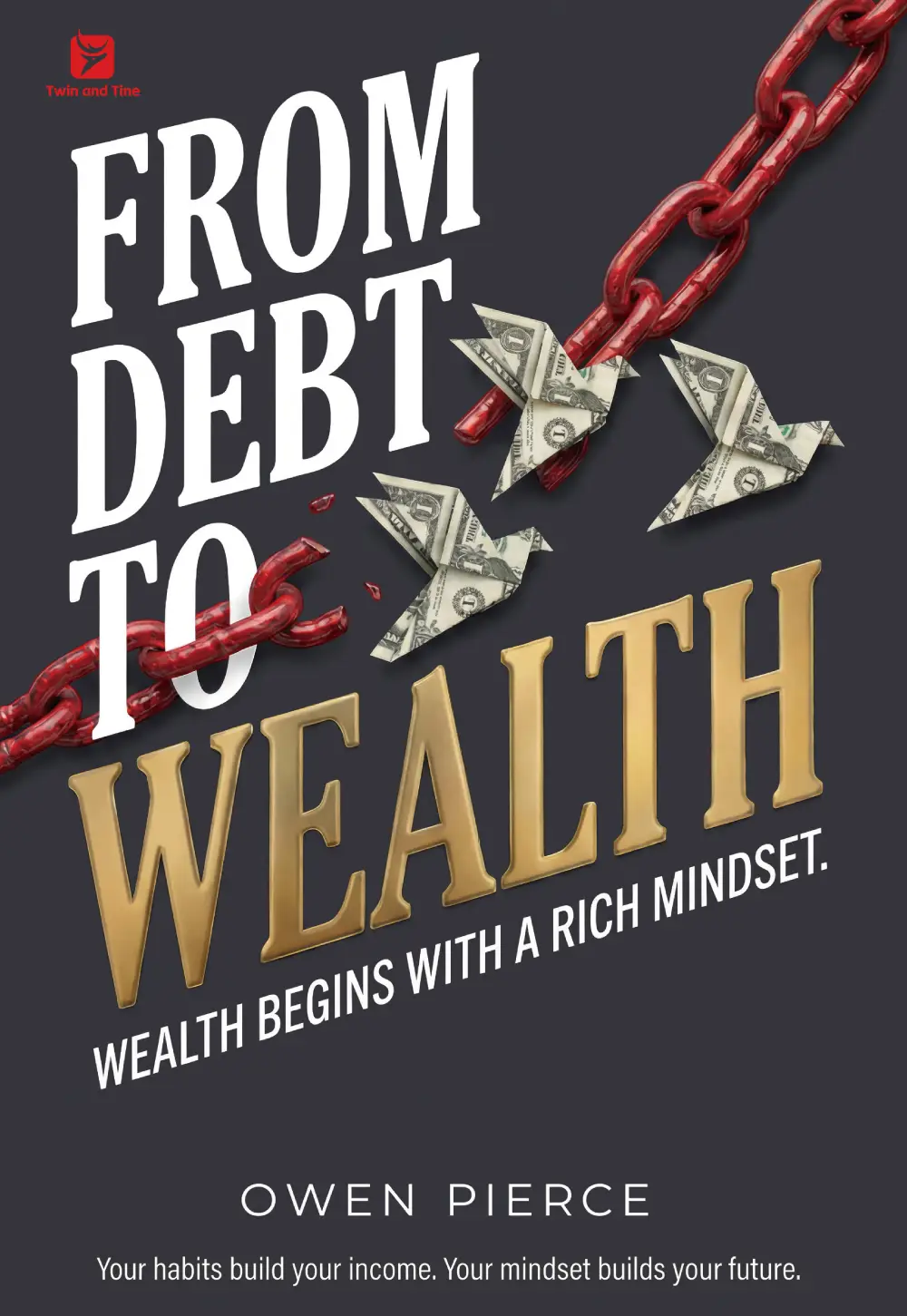
From Debt to Wealth
Owen PierceA money framework for people stuck in the paycheck-to-paycheck cycle. Understand why your income never feels like enough — and how to break out.
1. From Debt to Wealth by Owen Pierce
The book that reframes how you think about debt.
Pierce argues that financial decisions—including taking on debt—are not just about numbers. They are about how you see risk, opportunity, and your own judgment.
Why do some people take on debt that destroys them while others use it to build? The difference is not luck. It is cognition. The book explains the thinking patterns that lead to good financial decisions—and the ones that lead to bad ones. It shows you why people repeat the same mistakes, why they avoid hard choices, and how to shift the way you approach money at a fundamental level.
This is not a step-by-step guide to borrowing. It is a framework for making better financial decisions, including when and how to use debt. Without that framework, no strategy will stick.
For anyone who wants to understand when debt is a tool and when it is a trap.
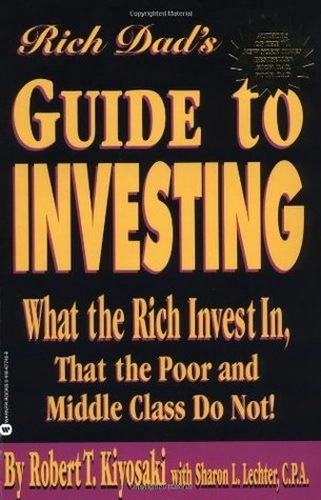
2. Rich Dad’s Guide to Investing by Robert Kiyosaki
The book that teaches you how to make money work for you.
Kiyosaki’s classic Rich Dad Poor Dad introduced the difference between assets and liabilities. This book goes deeper. It covers how wealthy people use debt to acquire assets—real estate, businesses, paper assets—and how they structure their finances so the debt pays for itself.
He explains the concept of “good debt” and shows how investors use other people’s money to build wealth. It is not about taking unnecessary risks. It is about understanding how the financial system works so you can make it work for you.
For anyone who wants to understand how investors use debt to grow their wealth.
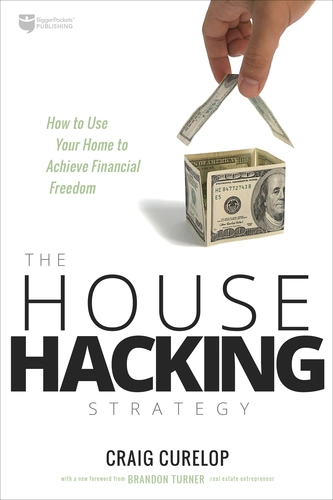
3. The House Hacking Strategy by Craig Curelop
How to use debt to eliminate your housing expense.
Curelop’s book is about a specific strategy: buying a multi-unit property, living in one unit, and renting out the others to cover your mortgage. It is a practical guide to using debt—in the form of a mortgage—to eliminate your biggest monthly expense.
He covers how to find the right property, how to finance it, how to manage tenants, and how to scale from one property to many. The strategy is not for everyone. But for people willing to live differently for a few years, it is one of the fastest ways to build wealth using debt.
For anyone who wants to use debt to stop paying rent and start building equity.
These three books each approach debt from a different angle. Pierce gives you the mindset shift. Kiyosaki gives you the investing framework. Curelop gives you a specific, actionable strategy for using debt to eliminate your biggest expense.
If you have been told that all debt is bad, these books will show you a different path. The goal is not to avoid debt. The goal is to use it wisely.