You have been proving yourself for as long as you can remember.
Proving you are smart enough. Proving you are kind enough. Proving you are worth keeping around, worth choosing, worth loving. You have done it through achievement, through accommodation, through being the person who never causes trouble and always shows up.
And yet the feeling you are looking for has not arrived.
That is because value is not something you prove. It is something you allow yourself to see. And until you stop trying to earn it from the outside, you will keep missing what is already there.

Why You Keep Trying to Prove Your Worth
Most people who struggle to value themselves learned, early on, that worth was conditional.
Maybe you were praised when you performed well and ignored when you did not. Maybe you learned that keeping the peace was more important than having needs. Maybe you discovered that being useful was the safest way to be loved.
These lessons were not wrong in the environments that taught them. They were survival strategies. They helped you stay safe, stay connected, stay needed.
But survival strategies have a shelf life. The strategy that kept you safe as a child can keep you small as an adult. And the belief that you must prove your worth is one of the most persistent.
How to Value Yourself: 4 Shifts That Change Everything
1. Stop Measuring Your Worth by Your Usefulness
Many people value themselves only when they are being useful. When they are helping, fixing, producing, or pleasing. When they are not, they feel guilty, lazy, or like a burden.
But your worth is not a job description. You are not valuable because of what you do. You are valuable because you exist.
This is not a reason to stop doing things. It is a reason to stop treating your productivity as the source of your value. Rest does not diminish you. Needing help does not diminish you. Having limits does not diminish you.
2. Stop Comparing Your Inside to Other People’s Outside
Comparison is one of the fastest ways to lose sight of your own value. You look at someone else’s life—their confidence, their relationships, their achievements—and you measure yourself against a version of them that only exists on the surface.
You do not see their doubt. Their loneliness. The things they are still figuring out. You see the polished version, and you compare it to your unpolished insides.
Valuing yourself means acknowledging that you are comparing two different things. Their outside is not your inside. And their path is not yours.
3. See What You Bring to a Room, Not Just What You Lack

Most people who undervalue themselves have a detailed catalog of their flaws. They can list every mistake, every shortcoming, every way they fall short.
But if you asked them what they bring to a room—what qualities, what presence, what small gifts—they would struggle to answer.
Start paying attention to what you bring. The way you listen. The way you notice when someone is struggling. The way you make people feel comfortable. The humor you offer. The care you extend. These are not small things. They are the fabric of who you are.
4. Treat Yourself Like Someone You Are Responsible For
If a friend came to you with the same self-doubt you carry, what would you say? Would you tell them to try harder? Would you list their flaws? Would you tell them they need to earn their worth?
Probably not. You would listen. You would remind them of what is true. You would offer kindness.
Valuing yourself means extending that same kindness to yourself—not as a reward for good behavior, but as a baseline. You are allowed to treat yourself the way you treat the people you love.
When Valuing Yourself Feels Like a Lie
You can know all of this and still feel like you are faking it. That is normal. When you have spent years believing your worth was conditional, treating yourself as valuable can feel like a lie you are telling yourself.
But here is the thing about lies: they do not feel true at first. And here is the thing about truth: it often starts as a practice.
Valuing yourself is not a switch you flip. It is a decision you make, again and again, until it becomes a belief.
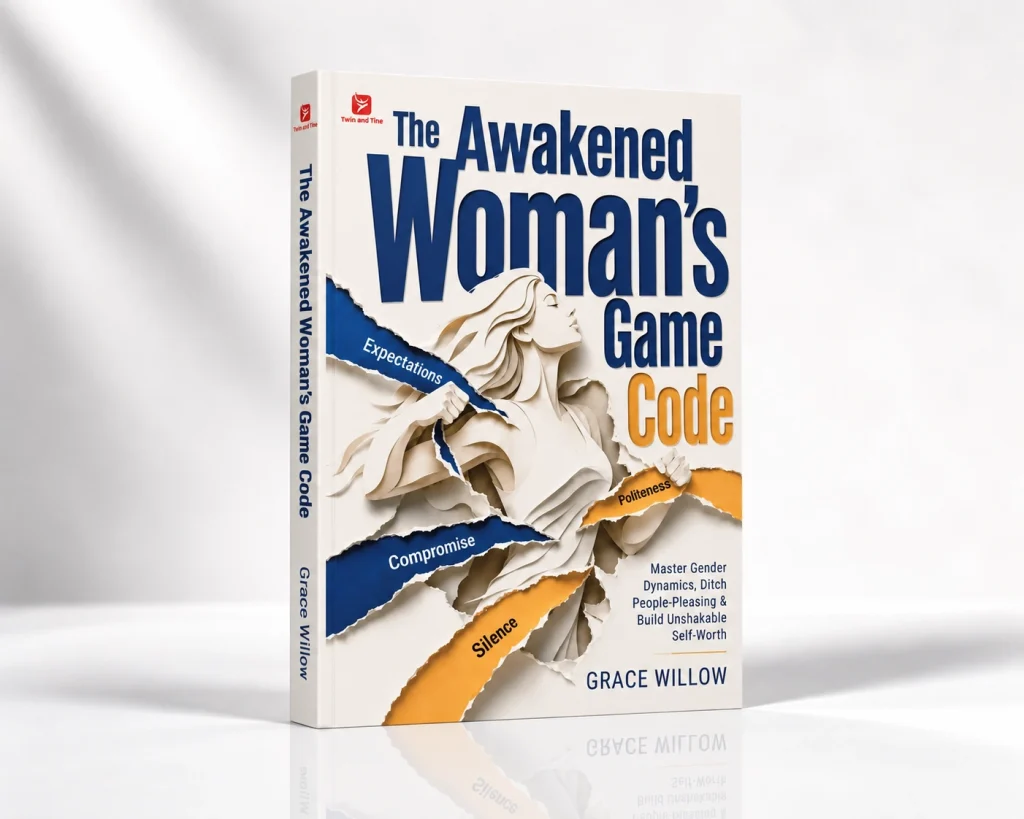
And sometimes, the reason it feels impossible is that the old stories have never been given a chance to be rewritten. The voices that told you your worth was conditional are still there, just quieter. They need to be seen, named, and slowly replaced.
That is the work The Awakened Woman’s Game Code by Grace Willow was written to support—not by handing you a new script, but by helping you see the one you have been following without realizing it.
How The Awakened Woman’s Game Code Helps You Value Yourself
This book does not begin with the assumption that you are broken and need fixing. It begins with a question: what if the way you have been valuing yourself is based on rules you never agreed to?
Grace Willow does not tell you to stand in front of a mirror and repeat affirmations. She does not ask you to demand respect from people who have never given it. Instead, she looks at the quieter mechanics of self-worth—the habits, the fears, and the unspoken beliefs that keep you measuring yourself by standards that were never yours.
The book is organized around the places where women most often lose their sense of value: relationships, marriage, work, and the internal voice that criticizes before anyone else can. It examines why being wanted can feel like being valued when it is not. It looks at how the fear of disappointing others turns into a habit of disappearing. And it shows how small, repeated choices can either erode your sense of self or rebuild it.
What makes this book different is that it does not treat self-worth as a destination you reach once you have achieved enough, pleased enough, or proven enough. It treats self-worth as something you practice—in the way you speak to yourself, the boundaries you keep, and the standards you refuse to lower.
If you have been trying to value yourself by doing more, this book offers a different way. Not more effort. A different place to start.
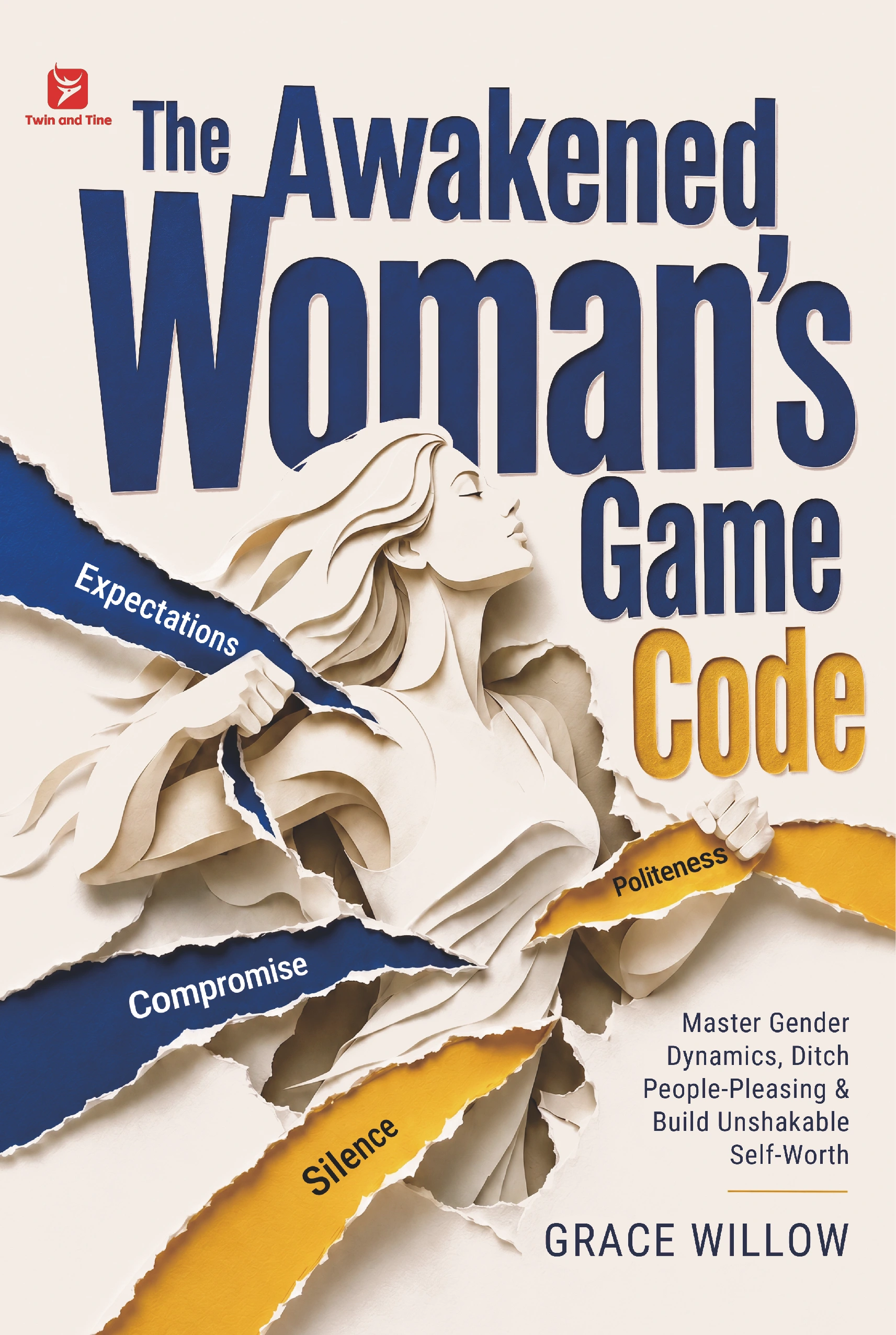
The Awakened Woman’s Game Code
Grace WillowBeing loved isn’t enough if you’re not respected.
Learn the hidden rules of attraction, boundaries, and relationship dynamics, and stop making yourself easy to take for granted.
Final Thoughts: A Summary on How to Value Yourself
Valuing yourself is not about becoming arrogant or indifferent. It is about stopping the endless project of proving your worth to people who never asked you to.
Stop measuring your worth by your usefulness. Stop comparing your inside to other people’s outside. See what you bring to a room. Treat yourself like someone you are responsible for.
If you are ready to go deeper, The Awakened Woman’s Game Code by Grace Willow offers a clear, honest guide to understanding the patterns that keep you undervaluing yourself—and building a sense of worth that does not need to be proven.
FAQ: Valuing Yourself
What if I do not feel valuable?
You do not have to feel it first. Start with the practice. Treat yourself as if you are valuable, and the feeling will follow.
Is valuing yourself selfish?
No. Valuing yourself is not about ignoring others. It is about recognizing that you are also worth caring for.
How do I stop comparing myself to others?
Notice when you are doing it. Remind yourself that you are comparing your inside to their outside. Then bring your attention back to what you are building.
Can valuing yourself change your relationships?
Yes. When you stop treating your worth as something to be earned, you stop accepting relationships that require you to earn it.

