Three Titles That Help You Understand People Clearly
A few years ago I sat in a meeting room and watched a colleague I trusted take credit for work I had done. I replayed every conversation we ever had. The signs were there. I just never looked.
That moment sent me looking for answers. Not academic answers. Practical ones. I wanted to understand why people behave the way they do, and I wanted a starting point that did not require a degree.
The best books on human behavior for beginners do exactly that. They give you a lens, not a lecture. Here are three that changed how I pay attention to people.
Quick answer: Which human behavior book should a beginner start with?
If you want deep understanding, start with Sapolsky. If you want something you can use tomorrow, start with King. If you want to understand your own blind spots, start with Pierce.
Here are three books on human behavior for beginners. One explains the biology behind our best and worst actions. One turns reading people into a practical skill. One teaches you to see patterns instead of isolated signals.
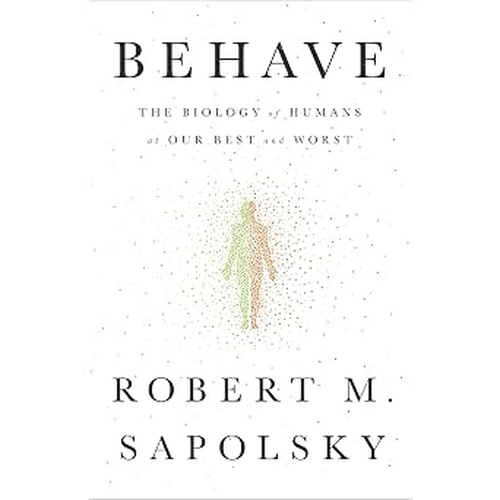
Behave
By Robert Sapolsky
This is a thick book. I will not pretend otherwise. But it reads like a story, and that matters for beginners.
What makes this book different:
Sapolsky is a neuroscientist and primatologist. He asks one simple question. Why do we do what we do? Then he walks backward from the moment of a behavior. One second before. One minute before. One lifetime before. Even thousands of years of evolution before.
What you get:
- The biology behind our best and worst actions
- Why a person’s short temper might trace back to sleep, stress hormones, or childhood environment
- How tribalism and hierarchy explain so much about office politics and family arguments
- A deep, story-driven understanding of human behavior
One key idea: When you understand that behavior has roots you cannot see, you stop taking everything so personally.
Best for: Anyone who wants deep understanding and does not mind a long read. You can skip the dense science chapters and still get enormous value.
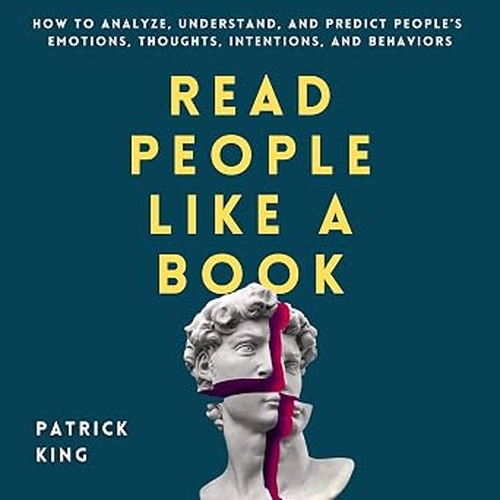
Read People like a Book
By Patrick King
This one sits at the opposite end. Light, fast, practical. The kind of book you finish in a weekend and immediately want to test.
What makes this book different:
King is a social skills coach. His approach is straightforward. Body language, eye contact, tone, and context all carry information. No single signal tells the whole story. You have to read them together.
What you get:
- How to analyze people without them saying a word
- Why lie detection is unreliable when you ignore context
- How to read body language, eye contact, and tone together
- Practical tips you can try the next day
One key idea: Context matters more than any twitch or glance. That single idea saved me from becoming one of those people who suspects everyone at the dinner table.
Best for: Anyone who wants practical tools they can use immediately.
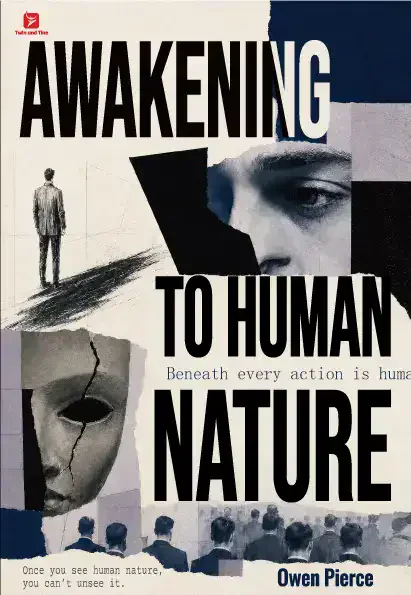
Awakening to Human Nature
By Owen Pierce
This one takes a different angle. Its subtitle question is the one that hooked me. Why do I always see people clearly after it’s too late?
That question described my entire twenties.
What makes this book different:
Most books focus on isolated signals. A facial expression here. A tone of voice there. Pierce focuses on patterns. Self-interest. Loyalty. Insecurity. Status. Fear. Changing needs. He asks you to watch what repeats and what shifts when pressure arrives.
What you get:
- Why people’s words and actions split when their interests change
- How to spot hidden motives without becoming paranoid
- Why smart, honest people keep getting taken advantage of
- How to trust your own judgment again
One key idea: The point is not to become suspicious of everyone. It is to stop explaining away the same warning signs over and over.
Best for: Anyone who wants to look honestly at what they keep choosing to ignore.
How These Books Work Together
| Book | What it gives you |
|---|---|
| Behave | The deep biology behind why we do what we do |
| Read People like a Book | Practical, daily tools for reading people |
| Awakening to Human Nature | A mirror for your own blind spots |
Sapolsky explains the machinery. King gives you daily tools. Pierce asks you to look honestly at what you keep ignoring. Together, they cover the full picture.
A Small Habit That Works Better Than Any Book
After all this reading, the thing that changed my daily life was embarrassingly simple. I started keeping a small note on my phone. One line per person, per week. Just what they did, not what they said.
After two months, patterns appeared on their own. The colleague who always volunteered for visible tasks but vanished during unglamorous ones. The friend who asked how I was doing and then talked for twenty minutes.
No book can hand you that. Books give you the vocabulary. Your own notes give you the evidence.
Final Thought
I still think about that meeting sometimes. Not with anger anymore. More with a quiet curiosity about how many other things I had been choosing not to see.
Reading about human behavior did not make me colder. It made me slower. Slower to trust. Slower to judge. Slower to explain away the thing I noticed the first time.
That, I think, is what beginners actually need from these books. Not a cheat code. Just a little more patience with your own eyes.
Start with one book. Try one technique. See what happens.

