You’ve read Crucial Conversations. You know the framework. You know how to stay calm, avoid defensiveness, and keep dialogue productive when tensions rise.
But here’s a question that might have come up after you finished the book:
What if the problem isn’t just the conversation itself—but what you’re missing about the person you’re having it with?
You can say all the right things. You can use “I” statements, check for understanding, and create psychological safety. And still, something feels off. You can’t quite tell if they’re actually agreeing with you or just avoiding conflict. You can’t tell if their hesitation is doubt or something else entirely.
That’s where reading people—not just conversations—becomes relevant.
What Crucial Conversations Does Well
Let’s be clear: Crucial Conversations is a valuable book for anyone who regularly faces high-stakes discussions, disagreements, or emotionally charged exchanges.
It gives you a practical, step-by-step framework to:
- Stay calm when tensions rise
- Speak persuasively without triggering defensiveness
- Keep dialogue productive even when people disagree
- Avoid the common traps of silence or violence
If your primary challenge is “I know what I need to say, but I don’t know how to say it without making things worse,” then Crucial Conversations is an excellent resource.
But many readers find that after mastering the techniques, they still run into situations where the techniques alone don’t fully solve the problem.
The Missing Piece: Reading the Person Behind the Conversation
Here’s what you might notice after reading Crucial Conversations:
You know how to respond when someone becomes defensive. But you still can’t tell why they became defensive in the first place. Was it something you said? Something they’re worried about? Something they’re hiding?
You know how to create safety. But you still can’t tell if they’re actually feeling safe—or just saying what they think you want to hear.
You know how to ask open-ended questions. But you still can’t tell if their answer is honest, incomplete, or carefully curated.
Communication tactics give you a framework for the conversation. But they don’t necessarily teach you how to read the person you’re talking to.
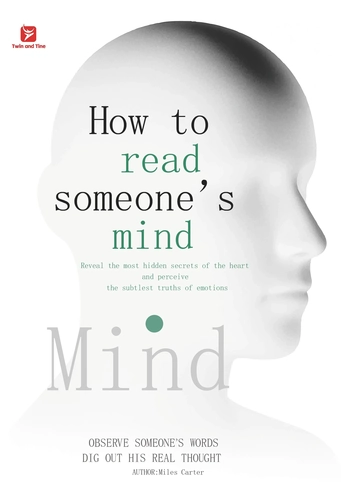
How to Read Someone’s Mind: Practical Tools for Reading Body Language, Tone, and Hidden Intentions in Real Time — Miles Carter
Best for: Understanding the person behind the conversation
How to Read Someone’s Mind approaches the problem from a different angle. Before you decide how to respond, it helps you observe what’s actually happening in the interaction.
This book focuses on the signals people send without realizing it:
What You’ll Learn
Facial Expressions: The connection between facial cues—eyes, brows, lips—and emotional states. How to notice micro-expressions that reveal what someone is really feeling.
Body Language: How posture, gestures, sitting position, and movement patterns reveal confidence, discomfort, anxiety, or openness.
Voice and Speech: What tone, pitch, speaking speed, and even phone habits reveal about honesty, confidence, and emotional state.
Behavioral Patterns: How people express emotions through everyday actions—drinking habits, clothing choices, lying behavior, signs of nervousness, anxiety, anger, and jealousy.
Why It Complements Crucial Conversations
| Crucial Conversations | How to Read Someone’s Mind | |
|---|---|---|
| Core focus | Handling difficult conversations | Reading nonverbal cues and behavior |
| Core question | What should I say? | What is this person actually communicating? |
| Key skill | Communication techniques | Observation and interpretation |
| Best for | Navigating the dialogue | Understanding the person before and during it |
Together, these two books address different layers of the same problem. One gives you tools for what to say. The other helps you understand what’s really happening beneath the words.
Other Books Worth Reading
Here are two additional books that complement Crucial Conversations in different ways.
1. Difficult Conversations — Douglas Stone, Bruce Patton, and Sheila Heen
Best for: When the conversation itself is the problem
If Crucial Conversations gave you a framework for high-stakes dialogue, Difficult Conversations goes deeper into the emotional and identity-based layers of conflict. It explores what happens when the conversation isn’t just difficult but emotionally complex.
2. Never Split the Difference — Chris Voss
Best for: High-stakes conversations and negotiation
If your difficult conversations involve negotiation, conflict resolution, or high-pressure situations, this book offers tactical tools from a former FBI hostage negotiator. It’s practical, direct, and immediately applicable.
Which Book Should You Read Next?
| If you want to… | Start with… |
|---|---|
| Understand what people are really communicating beyond their words | How to Read Someone’s Mind |
| Handle emotionally charged conversations | Difficult Conversations |
| Navigate negotiation and conflict | Never Split the Difference |
| Manage high-stakes dialogue | Crucial Conversations (if you haven’t read it yet) |
Frequently Asked Questions
Is How to Read Someone’s Mind similar to Crucial Conversations?
Both are interested in human interaction, but they emphasize different things. Crucial Conversations is communication-focused. How to Read Someone’s Mind focuses on observation—reading facial expressions, body language, tone, and behavioral patterns to understand people more clearly.
What should I read after Crucial Conversations?
If Crucial Conversations helped you improve how you handle difficult discussions, How to Read Someone’s Mind can be a natural next step if you want to better understand the people involved in those discussions—before, during, and after the conversation.
What’s the difference between communication skills and reading people?
Communication skills are about how you express yourself. Reading people is about observing what others are communicating beyond their words—through their face, body, voice, and behavior. The first helps you say things well; the second helps you understand the person you’re talking to.
Keep Reading People, Not Just Conversations
If Crucial Conversations helped you navigate difficult dialogue, the next question is: What are you missing about the person across from you?
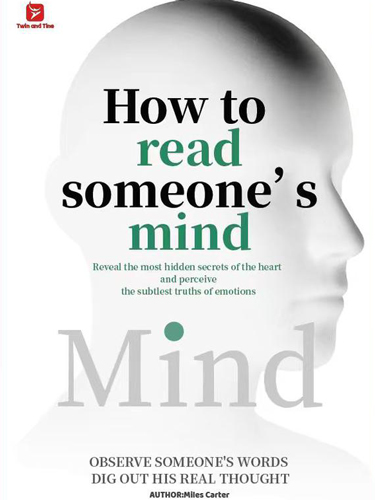
How to Read Someone’s Mind
Miles CarterPractical tools for reading body language, tone, and hidden intentions in real time. Spot what people aren’t saying — before you trust the wrong person.