If you’ve read The Laws of Human Nature, you already know something important: people are driven by forces they don’t always recognize. Insecurity, status, approval, fear, pride, and self-interest shape behavior in ways that often go unnoticed.
Robert Greene’s book gives you a sweeping view of human nature—the patterns, biases, and drives that have shaped people across history and cultures.
But here’s a question that might have come up after you finished it:
What if you want to observe these patterns in real life?
Understanding human nature is one thing. Recognizing it in the people around you—in a meeting, at a dinner table, during a difficult conversation—is another.
That’s where a different kind of book becomes useful.
What The Laws of Human Nature Does Well
Let’s start by acknowledging what The Laws of Human Nature gives you. It’s an ambitious book that draws on history, psychology, and biography to explain why people think, feel, and act the way they do.
It helps you understand:
- The hidden drives behind human behavior
- How emotions and irrationality shape decisions
- The role of social pressure and group belonging
- Patterns that repeat across individuals and cultures
If your interest is understanding human behavior in broad, conceptual terms, this is an essential read.
But some readers finish the book and realize something else: they want to apply this understanding to everyday interactions. They don’t just want to know why people behave the way they do—they want to get better at seeing it when it’s happening.
Books That Take Your Interest in Human Behavior Further
The books below all explore human behavior, but each takes a different direction. Some focus on observation, others on power, personality, or relationships. The right choice depends on what you want to explore next.
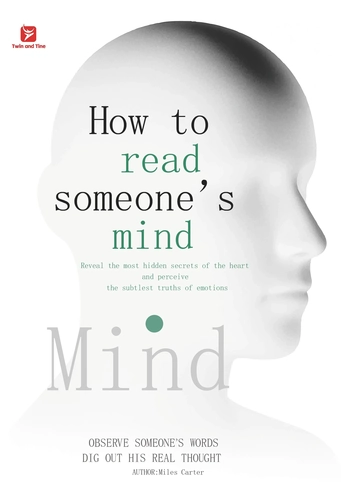
1. How to Read Someone’s Mind — Miles Carter
Best for: Observing human behavior in everyday interactions
If The Laws of Human Nature made you more curious about why people behave the way they do, How to Read Someone’s Mind takes that curiosity into everyday life. It focuses on what you can observe in real-time interactions: facial expressions, body language, tone of voice, and behavioral patterns.
The book doesn’t promise to tell you exactly what someone is thinking. Instead, it gives you practical tools for paying attention to the signals people send without realizing it—and for becoming more careful about the conclusions you draw from them.
What you’ll learn:
- How facial expressions—eyes, brows, lips—reveal emotional states
- What posture, gestures, and movement patterns say about confidence, anxiety, or openness
- How tone, pitch, and speaking speed communicate beyond words
- How everyday behaviors and habits reflect personality and emotional patterns
Why it complements The Laws of Human Nature:
| The Laws of Human Nature | How to Read Someone’s Mind | |
|---|---|---|
| Focus | Understanding human nature | Observing behavior in real life |
| Core question | Why do people behave this way? | What can I observe right now? |
| Examples | Historical figures and broad patterns | Everyday interactions and relationships |
| Best for | Understanding the theory | Applying it to daily life |
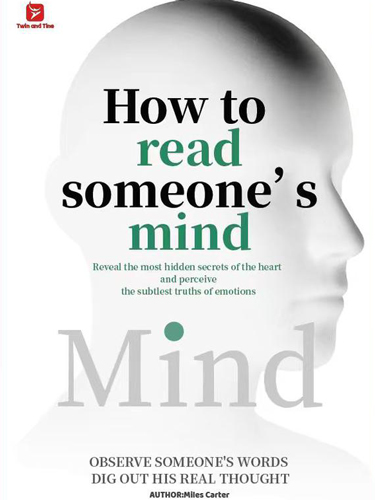
How to Read Someone’s Mind
Miles CarterPractical tools for reading body language, tone, and hidden intentions in real time. Spot what people aren’t saying — before you trust the wrong person.
2. The 48 Laws of Power — Robert Greene
Best for: Understanding power, status, and influence
If what you enjoyed most about The Laws of Human Nature was its focus on strategy and social dynamics, The 48 Laws of Power is a natural companion. Written by the same author, it zooms in on how people navigate hierarchy, competition, and control.
3. Games People Play — Eric Berne
Best for: Recognizing recurring interpersonal patterns
If you were fascinated by the idea that people repeat predictable patterns in relationships, Games People Play offers a framework for recognizing those patterns. It examines the unconscious “games” people engage in during everyday interactions.
4. Surrounded by Idiots — Thomas Erikson
Best for: Understanding communication styles and personality differences
If you’re more interested in how different types of people communicate, Surrounded by Idiots takes a practical, framework-based approach to understanding behavioral differences and adapting your communication style.
5. The Art of Seduction — Robert Greene
Best for: Understanding attraction and influence
If what you liked about The Laws of Human Nature was its focus on emotional dynamics, The Art of Seduction explores how people draw others in, build trust, and exert influence through charm and desire.
Which Book Should You Read Next?
| If you want to… | Start with… |
|---|---|
| Observe behavior, body language, and social cues in real life | How to Read Someone’s Mind |
| Dive deeper into power and strategy | The 48 Laws of Power |
| Recognize recurring relationship patterns | Games People Play |
| Understand different communication styles | Surrounded by Idiots |
| Explore attraction and influence | The Art of Seduction |
Many readers benefit from reading more than one. The best choice depends on what you want to do with what you’ve learned.
From Understanding Human Nature to Observing People
The Laws of Human Nature helps you think about human behavior. The question that often comes next is: What do I do with this understanding?
Some readers want to understand power dynamics. Others want to recognize patterns in relationships. And some want to get better at observing the people they actually interact with—not just in theory, but in real life.
If that sounds familiar, How to Read Someone’s Mind offers a practical next step: learning to notice what people communicate beyond their words.
Frequently Asked Questions
What books are like The Laws of Human Nature?
It depends on what you liked about it. The 48 Laws of Power is more focused on strategy and influence. How to Read Someone’s Mind is more focused on observing behavior and nonverbal cues in everyday interactions.
What should I read after The Laws of Human Nature?
If you want more historical and psychological depth, other books by Robert Greene are natural extensions. If you want to apply what you’ve learned to observing people in real life, How to Read Someone’s Mind offers a complementary direction.
Is How to Read Someone’s Mind similar to The Laws of Human Nature?
Both are interested in human behavior, but their focus is different. The Laws of Human Nature is broader and more historical. How to Read Someone’s Mind is more focused on observable behaviors, body language, tone, and social patterns in everyday interactions.
What’s the difference between understanding human nature and reading people?
Understanding human nature is about recognizing broad patterns—the drives, biases, and tendencies that shape behavior across cultures and history. Reading people is about observing those patterns in real time: noticing what someone’s face, body, voice, and behavior might be communicating in a specific interaction.
Keep Observing People
If The Laws of Human Nature made you more curious about the people around you, the next step is learning to notice what they’re communicating beyond their words.
How to Read Someone’s Mind
Miles CarterPractical tools for reading body language, tone, and hidden intentions in real time. Spot what people aren’t saying — before you trust the wrong person.