You have seen the title. From Debt to Wealth. The promise is bold — maybe even too bold. You have read personal finance books before. Some were too basic. Others were too dense. A few made you feel worse about yourself than when you started.
So you are asking the right question: is this one actually different?
Here is a review based on what the book actually covers — no fluff, no hype.
What This Book Actually Covers
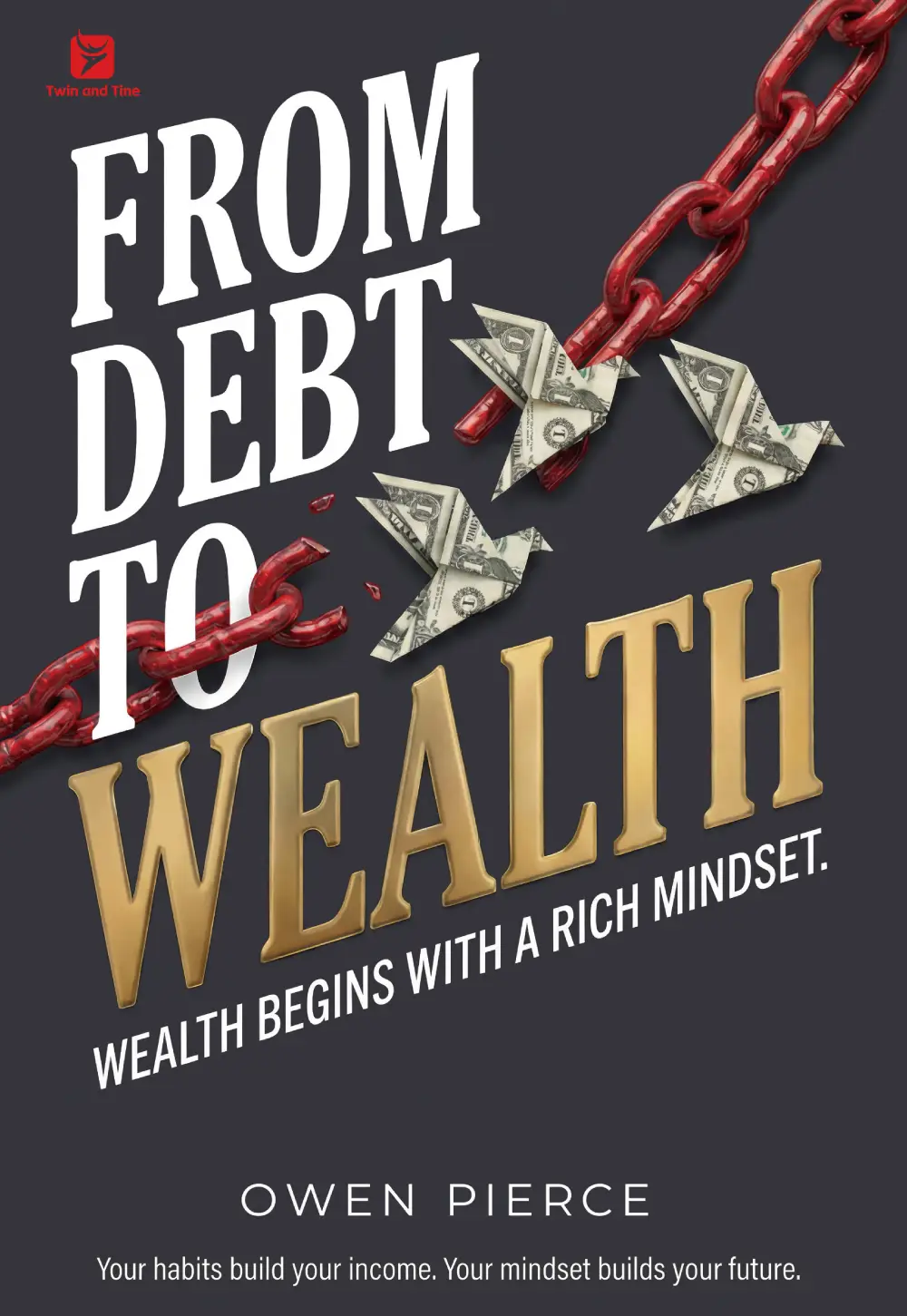
From Debt to Wealth
Owen PierceA money framework for people stuck in the paycheck-to-paycheck cycle. Understand why your income never feels like enough — and how to break out.
From Debt to Wealth is built on one idea: wealth is not a reward for hard work — it is compensation for your cognition. In other words, how you think about money matters more than how many hours you work.
The book is organized into three sections:
The Mindset of the Wealthy
This section challenges common beliefs that keep people stuck. It argues that a paycheck can be a trap, that luxury often signals debt rather than success, and that comfort is the enemy of wealth. Chapters like “The Poor Seek Comfort. The Rich Embrace Discomfort” and “Wealth Is a Compensation for Cognition” lay out the mental shifts that separate wealth builders from wage earners.
Ways to Make Money
This is where things get practical. It covers how to stop living paycheck to paycheck, how to save $10k in 90 days, and how to think about business, investing, and leverage. The chapter “Earning Is Leveraging Resources, Not Burning Yourself Out” captures the core idea: working harder is not the answer. Working smarter — by building skills, using information gaps, and copying proven strategies — is.
Money-Making Habits
The final section focuses on daily behaviors. It argues that most people stay broke not because of their income, but because of invisible habits: rewarding every paycheck with spending, wasting hours on things that pay nothing, and confusing busyness with productivity. It also covers practical topics like using conscious spending to reveal pointless purchases.
What Makes This Book Different
Most personal finance books fall into one of two camps. Some tell you to budget harder and sacrifice more. Others promise get-rich-quick formulas that do not work.
This book does neither. It focuses on the cognitive shift that makes everything else possible. It does not ask you to deprive yourself. It asks you to see money differently — so that better financial decisions become natural rather than forced.
The tone is direct, not comforting. It does not tell you that you are perfect just the way you are. It tells you that if you keep doing what you have always done, you will keep getting what you have always gotten. That honesty is its strength.
Who Is This Book For?
If you are living paycheck to paycheck — this book gives you a framework for understanding why, beyond just “I spend too much.”
If you have tried budgeting and failed — it argues that the problem is not your willpower. It is your mindset.
If you feel stuck — it helps you see that your current situation is not a life sentence. It is a pattern you can change.
If you are tired of feeling behind — it shifts the focus from “how much you earn” to “how you think,” which is something you can change starting today.
How Does It Compare to Other Books?
| Book | Focus | What This Book Does Differently |
|---|---|---|
| The Total Money Makeover by Dave Ramsey | Debt elimination through strict budgeting | This book is less about austerity and more about mindset shift |
| Rich Dad Poor Dad by Robert Kiyosaki | Assets vs. liabilities | This book is more structured and covers habits and psychology in greater depth |
| The Psychology of Money by Morgan Housel | Behavior and emotions around money | This book is more practical and action-oriented |
Is It Worth Reading?
If you are looking for a quick fix or a magic formula, no book will deliver that.
If you are ready to examine how you think about money — and willing to change it — then yes. This book gives you a clear framework, practical steps, and a perspective that is hard to find in other personal finance books.
The chapters are short. The language is direct. And the emphasis on cognition over effort is a distinction that changes how you approach money long after you finish reading.