Growing up, I thought my family was normal. My parents fed me, clothed me, sent me to school. I had a roof over my head. But there was this quiet emptiness I couldn’t name. I’d come home excited about a drawing I made, and my mom would glance up from her phone, say “that’s nice honey,” and look back down before I even finished showing her. Was that normal? I didn’t know. You don’t know, when you’re a kid. You think love is just… being there. Physically. But the effects of childhood neglect often come from the things that didn’t happen. The conversations that never started. The comfort that never came. I spent years wondering why I felt so invisible. Then one day, I was at a friend’s house, and her mom asked me about my day. Actually asked. She remembered I had a science test. She remembered. I almost cried into my spaghetti. That was the moment I realized something had been missing all along.
Quick Understanding Today
If you’re wondering whether childhood neglect has affected you, start here:
- Recognize that emotional neglect is often invisible—not about what happened, but what didn’t.
- Notice patterns like feeling disconnected from your own needs or emotions.
- Understand that healing starts with naming what you experienced.
- Remember your feelings were valid even if no one acknowledged them.
- Start small, like identifying one emotion you pushed down as a kid.

Why Do the Effects of Childhood Neglect Show Up Years Later?
Here’s the thing about emotional neglect. It’s sneaky. Unlike physical abuse, there are no bruises. No evidence. Just a quiet fog that follows you into adulthood. I remember being 25 and having a full-blown panic attack when my partner asked me what I wanted for dinner. What I wanted? I had no idea. I’d spent 18 years learning to have no preferences, because having needs meant being “difficult.” So I’d say “whatever you want” and mean it. That’s when the effects of childhood neglect really hit me. Not in childhood itself, but in all these small adult moments where I couldn’t access my own desires.
What made me realize it was neglect? Meeting other people’s parents was a big one, just like someone in that Reddit thread mentioned. I’d watch my roommate call her mom just to chat about nothing. Her mom would ask about her job, her friends, her weird neighbor. My mom? Our calls lasted 90 seconds. “Everything okay? Good. Here’s your dad.” I thought those warm, curious parents only existed in movies. Turns out they exist in real life. Just not in mine.
Another moment that hit me hard was when I got a promotion at work. I was 28. I called my dad, so excited. He said, “That’s good. Did you file your taxes yet?” No congratulations. No “I’m proud of you.” Just… taxes. The effects of childhood neglect teach you that your achievements don’t matter. Or worse, that sharing them is selfish. I carried that into every job, every relationship. Always downplaying. Always bracing for someone to change the subject.
And the “let it go” thing? My mom’s favorite phrase. If I ever brought up something that hurt me, even years later, she’d say, “You need to learn to let things go.” She was right about one thing. You do need to let go of ice cream falling on the sidewalk. But emotional neglect is not ice cream. It’s the foundation of how you learn to relate to people. It shapes whether you believe you matter. That’s not something you just “let go.” It’s something you slowly, painfully unlearn.
How Can You Start Reversing the Effects of Childhood Neglect?
I won’t pretend there’s a quick fix. There isn’t. But there are things that helped me. And I hear they help a lot of people who grew up with this quiet kind of neglect.
The first step was the hardest: admitting it was neglect. For years I’d say, “My parents weren’t abusive. They were just… distant.” I’d make excuses. They were busy. They had their own problems. I was an easy kid, so they didn’t need to worry. But the truth was, I was “easy” because I’d learned to disappear. A parent’s job is not just to keep a child alive. It’s to be curious about who that child is becoming. Mine never were. Saying that out loud felt like a betrayal. But it was also a relief.
Then came the work of reparenting myself. I know that word can sound a little self-help-y. But what it meant for me was simple. I started noticing when I was ignoring my own needs. Like, I’d be hungry but I’d wait an hour to eat because someone else might need the kitchen. Or I’d feel sad and immediately tell myself it wasn’t a big deal. So I started asking: if I were my own parent, what would I say? “Hey, it’s okay to be hungry. Let’s get some food.” “I can see you’re sad. Want to talk about it?” It felt ridiculous at first. But over time, it rewired something. I started to believe my own needs were valid.
The effects of childhood neglect also show up in relationships. I married someone wonderful, but for the first few years, I kept waiting for him to lose interest in me. Because that’s what I was used to. Parents who loved me, but weren’t interested in me. So when my husband would ask about my writing or remember a small detail I mentioned weeks ago, I’d get suspicious. Why is he asking? What does he want? It took me a long time to accept that some people just… care. It’s not a setup for disappointment.
A Practice That Helped Me Most
I started using a practice I think of as reconnecting with my younger self. Here’s how it works.
Picture yourself at an age when you felt the neglect most acutely. For me, it’s 10 years old. I’m sitting at the kitchen table, showing my dad a story I wrote for school. He says, “That’s nice,” without looking up from his newspaper. I feel this crushing mix of pride and shame. In this practice, I let myself go back to that moment. But this time, adult me is there too. I sit down next to 10-year-old me and say, “That story is amazing. Can you read it to me?” It sounds hokey. I know. But it works. It gives that kid what she never got. A witness. Someone who sees her.
Why does this help with the effects of childhood neglect? Because neglect teaches you to abandon yourself. You learn that your inner world, your feelings, your passions don’t deserve attention. So you stop paying attention to them. This practice forces you to pay attention again. To go back and say, “What happened to you mattered. What you felt was real.” It’s not about blaming your parents. It’s about finally giving yourself what they couldn’t.
Some people do a version of this through journaling. Some through therapy. Some literally talk to a photo of their younger self. The method matters less than the message: I see you now.
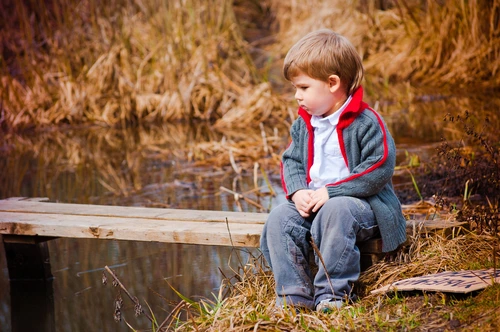
Age-Based Ways the Effects Show Up
Childhood (5-12):
You might have been the “good kid.” Never caused trouble. Got good grades. But inside, you felt lonely. You assumed asking for help was a burden. You had big feelings but nowhere to put them.
Teenage Years (13-19):
The effects of childhood neglect often intensify here. You might have sought attention in risky ways. Or you might have become even more invisible. Relationships felt confusing. You gave too much, hoping someone would give back. They rarely did.
Early Adulthood (20-30):
This is when the fog starts to lift, and it hurts. You look at functional families with a mix of envy and disbelief. You struggle to know what you want, in careers, in partners, in pizza toppings. Decisions feel impossible. You wait for someone else to choose.
Midlife and Beyond:
If unaddressed, the effects settle into a low-grade depression or chronic anxiety. But here’s the good news. Many people find that getting older brings clarity. You stop caring about pleasing your parents. You start asking, “What do I want for the rest of my life?”
FAQ: Effects of Childhood Neglect
Q: What are the most common effects of childhood neglect in adulthood?
A: Common effects include feeling disconnected from your own needs, difficulty making decisions, chronic people-pleasing, downplaying your achievements, feeling invisible, and expecting others to lose interest in you. Many adults with childhood neglect also struggle with asking for help.
Q: How do I know if I experienced emotional neglect as a child?
A: Emotional neglect is about what didn’t happen. If your parents provided food and shelter but rarely asked about your feelings, showed curiosity about your life, or comforted you when you were upset, that’s emotional neglect. You might notice now that you feel disconnected from your own emotions or struggle to name what you want.
Q: Can the effects of childhood neglect be reversed?
A: Yes, but it takes time and intentional work. Healing often involves reparenting yourself, learning to notice your own needs, and building relationships with people who are genuinely curious about you. Therapy, journaling, and practices like reconnecting with your younger self can all help.
Q: Is emotional neglect as damaging as physical abuse?
A: It can be. Emotional neglect shapes how you see yourself and relate to others. It doesn’t leave visible scars, but it can affect your sense of worth, your ability to trust, and your emotional regulation. The effects are real and valid.
Q: Should I confront my parents about the neglect I experienced?
A: That depends on your relationship and what you hope to gain. Many people find that processing the neglect on their own or with a therapist is enough. If you do confront them, be prepared that they may not be able to hear you. Your healing doesn’t depend on their acknowledgment.
One Last Thing
A few months ago, I was at a family dinner. My mom did her usual thing—glancing at her phone while I was mid-sentence. But this time, I didn’t feel the old familiar hurt. I just noticed it, and then let it go. Not because I was “letting things go” the way she always told me to. But because I’d finally given myself what I’d been waiting for her to provide. I saw myself. And that turned out to be enough.
References
- Webb, J. (2012). Running on Empty: Overcome Your Childhood Emotional Neglect. Morgan James Publishing.
- American Academy of Pediatrics. (n.d.). Emotional neglect and child development. HealthyChildren.org. Retrieved from https://www.healthychildren.org
- Cori, J. L. (2017). The Emotionally Absent Mother: How to Recognize and Heal the Invisible Effects of Childhood Emotional Neglect (2nd ed.). The Experiment.
