I was at a small dinner with a friend I love dearly. One minute we were laughing about an old story, and the next, I snapped. Something she said, something so minor, triggered a wave of irritation that turned into hurt, then anger, then a flood of accusations I could hear leaving my mouth but couldn’t stop. The dinner ended in heavy silence. Later, alone, I kept asking what got into me. As Graeme and Tina Allan put it in their exploration of emotional health, “something got into you” — you lost control, something else took the wheel. That night, I realized I had been living with a constant, silent war inside my own head. I needed to understand how to learn emotional regulation, not to become a robot, but to stop exhausting myself with invisible battles.
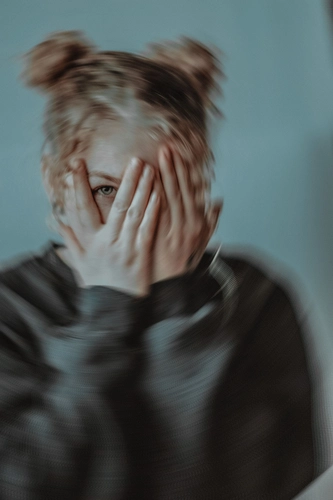
Why Do We Suddenly Lose Control and Feel Torn Apart Inside?
The question that echoed for days was: “What on earth got into you?” I wasn’t new to this. I had moments throughout my adult life where a small disagreement turned into a full emotional storm. At first, I thought I was just passionate, maybe too sensitive. But the cost was real. Sleepless nights replaying conversations, strained friendships, a quiet erosion of peace. Emotions are natural, of course. The Pathways of Possibility piece reminds us they are “a totally natural gift.” The trouble isn’t the emotion itself, it’s the invisible influences that take over before we even notice. Something ancient and energetic, often unrelated to the present moment, hijacks our behavior.
What I began to see is that for many of us, the biggest struggle is not external conflict but internal friction — what in Chinese we call “内耗,” inner drain. This is the exhausting loop of overthinking, self-criticism, and unspoken resentment that leaves you depleted even when nothing bad is happening. Losing emotional control isn’t just about shouting at someone. It’s about the hours, sometimes days, of turbulence afterward. The real root of not being able to stay calm isn’t weakness. It’s that we never learned how to recognize the first flutter of an emotional takeover. We mistake the wave for who we are. And then we drown in it.
Have you ever noticed how a single irritation can turn into a cascade of guilt, fear, and jealousy, all within seconds? The Pathways article describes this beautifully: a flow of reactions where you become “a different and out of control you.” I had never thought of emotions as energetic influences, almost like visitors. But once I did, I could start to see them arrive, rather than become them instantly.
How to Learn Emotional Regulation When You’re in the Thick of It
I used to believe emotional regulation meant suppressing everything, keeping a tight lid, acting composed. That didn’t work. It just made the eventual explosion louder. What changed everything was a shift in perspective: emotional regulation isn’t about never feeling, it’s about noticing what’s coming and choosing whether to let it drive. One evening, after another stupid argument over text, I tried something absurdly simple. I started humming. Just a low, tuneless hum. I had read in the Pathways exploration that singing or humming can be used as a technique to “regulate our over-charged emotions.” I felt ridiculous. But something shifted. The hum gave my body a different vibration, a tiny interruption in the spiral. It was like gently tugging the steering wheel back before the car hit the guardrail.
So what does it actually look like to learn emotional regulation in everyday life? For me, it started with a question I now ask myself constantly when I feel that familiar heat: Is this emotion a visitor or my identity? If I can remember to ask that, even three seconds too late, I’ve already begun to create a gap between the feeling and the reaction. I picture the emotion as an energetic shape standing at my door. I can say, “I see you, irritation. You can sit in the corner, but you’re not driving tonight.” This might sound strange, but it’s a direct, practical way to reclaim the dispassionate center the Pathways authors describe — not without passion, but with the power to decide when passion enters the room.
There was a day I snapped at my partner for leaving dishes in the sink. I caught myself mid-sentence and just stopped, hummed one low note out loud, and then said, “I’m not actually mad about the dishes. Something else is visiting right now.” That honesty disarmed both of us. And the fight that had been brewing vanished. These tiny moments of regulation aren’t grand therapeutic breakthroughs. They’re just small, human choices made in real time.
The Humming Reset: A Way to Interrupt Inner Turbulence
I want to offer you something I now do almost every day: I call it the Humming Reset. There’s no skill required, no singing ability. Just the willingness to let your body produce a gentle, steady vibration. When I feel the first buzz of anxiety or irritation, I close my mouth, relax my jaw, and hum a single note until my breath runs out. Then I breathe in slowly and hum again. Three rounds, maybe four. I don’t do it to feel happy. I do it to shift the energy. The Pathways article suggests that even simple humming helps bring “emotional regulation back into our lives, away from the turbulence.” I didn’t believe it at first. But after a week of using it before difficult conversations, I noticed I was less reactive. My partner even commented, “You seem lighter lately.”
Why does something so childish work? I’m not a scientist, but I suspect humming engages the vagus nerve, pulling our nervous system toward calm. More importantly, it gives the thinking brain a tiny pause. In that pause, you remember who you are. The “out of control you” doesn’t get the wheel. The Humming Reset became my anchor. Now, when I sense inner friction building — that relentless mental churn — I hum. Sometimes under my breath in public, sometimes loudly in the car. It reminds me that emotions are energy, and energy can be moved, not just suppressed or released destructively.
Recognizing the First Ripple Before the Wave Hits
One thing I’ve practiced is what the Allans might call catching the “single emotional response” before it turns into a cascade. For years, I never noticed the irritation until it was already anger. Now, I’ve learned to scan my body. A tightness in my chest, a heat in my face, a sudden shallow breath — these are my early warning lights. The moment I feel them, I name the visitor silently: Here is irritation. Here is old hurt. Naming it doesn’t make it go away, but it separates me from it. It becomes something I have, not something I am.
I remember a call with my sister where she said something dismissive. The old me would have let it fester, then later unload a barrage of resentment. Instead, I felt the chest tightness and paused. I said, “That stung a bit, but I know you didn’t mean it that way. Can we rewind?” The conversation stayed clear. The inner drain that usually followed for hours simply wasn’t there. That’s the real savings account of emotional regulation: not perfection, but this quiet, steady preservation of your own energy.
What Being “Dispassionate” Really Gives You
We often think of dispassionate as cold or unfeeling. But the way the Pathways article frames it, “inviting passion in when you decide — not when an historic emotional trigger decides” — that resonated deeply. I don’t want to be unemotional. I want to be a host who chooses when passion arrives, not a hostage to every invisible trigger. This idea gave me permission to be calm without guilt. To step back from drama without feeling like I was abandoning the relationship. Inner friction thrives on guilt and second-guessing. Learning emotional regulation meant learning to say, “I’m still here, I still care, but I’m not letting this visitor hijack dinner.”
Positive Emotions Need Invitation Too
There’s a strange truth: we don’t always know how to let in joy or peace any more than we know how to let go of anger. For so long, I only associated emotional control with damping down the bad stuff. But the Pathways piece insists that positive emotions are also “influences that get into us.” Why not practice inviting them deliberately? Now, when I’m feeling neutral or empty, I’ll sometimes hum a bright, upbeat tune. Or I’ll picture a moment of genuine warmth and let that feeling wash over me. It’s not fake. It’s an intentional opening of the door. And it counters the inner friction in a way that fighting it never could. I’ve learned to ask: what positive visitor can I invite right now, even if just a glimmer? That question has turned whole afternoons around.
One Last Thing
That ruined dinner with my friend? We talked it through, weeks later. I told her I’d been learning what got into me, and I hummed, just a few notes, to show her my new ridiculous tool. She laughed. We both did. And in that laughter, I felt something settle. The war inside had quieted — not because I’d won a battle, but because I’d realized I didn’t have to fight anymore. A visitor had come and gone. And I was still here.
References
- Allan, G. & Allan, T. (2025). Exploring the Sources of Emotional Health. Pathways of Possibility.
- David, S. (2016). Emotional Agility: Get Unstuck, Embrace Change, and Thrive in Work and Life. Avery.
- Brackett, M. (2019). Permission to Feel: Unlocking the Power of Emotions to Help Our Kids, Ourselves, and Our Society Thrive. Celadon Books.
