You have probably met someone like this.
They walk into a room and instantly read the mood. They know who is comfortable and who is not. They can tell when someone is holding something back. They pick up on tension before anyone says a word.
They are not psychic. They are just paying attention to the right things.
Social intelligence is not a personality trait you are born with. It is a set of skills you can learn. The people who seem effortlessly good with others are not more gifted. They just know what to look for.
If you want to stop missing signals, stop misreading intentions, and start understanding people more clearly, these five books cover exactly what you need.
1. Awakening to Human Nature by Owen Pierce

Awakening to Human Nature
Owen PierceA practical guide for understanding hidden motives, social patterns, emotional pressure, and manipulation—so you can read situations more clearly and protect your boundaries with confidence.
Learn what people are actually communicating—not just what they say.
Most people focus on words. But words are often the least reliable signal. People say what they think you want to hear. They manage impressions. They hide what they actually feel.
Pierce’s book strips away the politeness and reveals the hidden forces that drive human behavior. Why people say they value honesty but punish the truth-teller. Why loyalty expires when needs change. Why kindness is sometimes read as permission to take.
The book gives you a practical framework for reading people: how to recognize hidden motives, spot manipulation, and understand the patterns beneath everyday interactions. It does not ask you to become cynical. It asks you to become clear.
For anyone who keeps missing what is right in front of them.

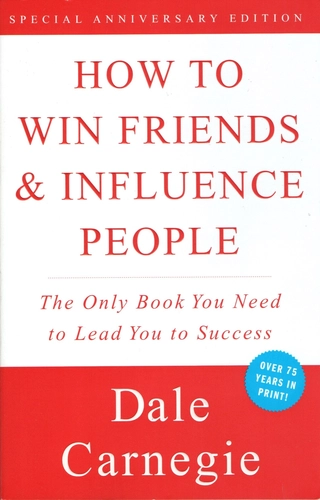
2. How to Win Friends and Influence People by Dale Carnegie
The classic guide to understanding what people actually respond to.
This book has been around for nearly a century for a reason. Carnegie figured out something simple and powerful: people want to feel valued. They want to be listened to. They want to feel like they matter.
Socially intelligent people understand this instinctively. They make others feel important. They ask questions. They remember details. They do not dominate conversations. They do not correct people unnecessarily. They do not make others feel small.
The book is full of specific, actionable principles that you can start using today. Not to manipulate. To connect.
For anyone who wants to stop pushing people away without realizing it.
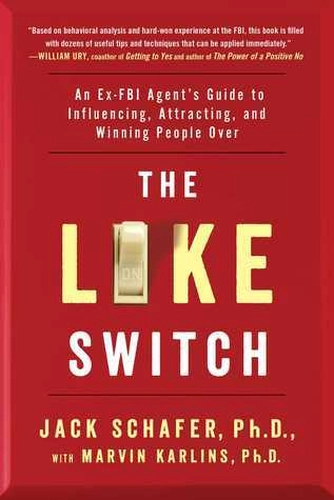
3. The Like Switch by Jack Schafer
What makes people open up to you?
Schafer is a former FBI agent who spent years building rapport with people who had every reason to distrust him. He developed a system for making people feel safe enough to connect.
The book is full of practical techniques: how to read body language, how to signal warmth, how to make people feel understood. It explains why some people seem approachable and others do not. And it gives you specific things you can do to signal safety instead of threat.
For anyone who wants to make people feel comfortable around them.
4. Platonic by Marisa G. Franco
Why do some people make friends easily while others struggle?
Franco, a psychologist who studied friendship for years, explains the forces that keep people disconnected. The “liking gap” (people underestimate how much others like them). The decline of spontaneous social interaction. The fact that adult relationships require intentional effort most people do not know how to make.
Socially intelligent people understand that connection does not happen by accident. They create the conditions for it. This book shows you how.
For anyone who feels like they are the only one struggling to connect.

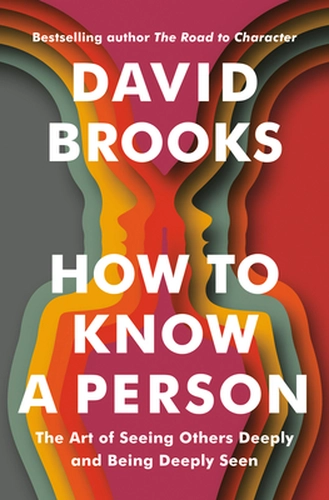
5. How to Know a Person by David Brooks
What does it actually take to really see someone?
Brooks argues that most people do not know how to truly see another person. They listen without understanding. They talk without connecting. They assume they know someone when they have only scratched the surface.
The book is about the skill of deep knowing—the kind that makes people feel truly seen. It is not about more effort. It is about a different kind of effort. One that focuses on curiosity, attention, and the willingness to let someone be fully themselves.
For anyone who wants to stop having shallow conversations and start building real connections.
These five books each offer a different piece of the puzzle. Pierce gives you a practical framework for reading people. Carnegie shows you what people actually respond to. Schafer teaches you how to make people feel safe. Franco explains why connection is hard. Brooks shows you how to truly see someone.
Frequently Asked Questions
Can social intelligence really be learned, or is it something you are born with?
It can absolutely be learned. Some people develop it early—often because they grew up in environments where they had to pay close attention to adults. But the underlying skills—observation, pattern recognition, reading social cues—are all teachable. The people who seem naturally socially intelligent are usually just people who have been practicing longer.
How do I know if I am socially intelligent or just overthinking?
Overthinking is about you. Social intelligence is about the other person. If you are analyzing what you said, how you came across, whether you made a mistake—you are overthinking. If you are noticing how the other person is responding, what they are not saying, and adjusting accordingly—you are using social intelligence. The shift is externalizing your attention.
What if I try to apply these skills and it feels fake?
That is normal. Any new skill feels awkward at first. The people who are socially intelligent did not start that way. They tried things, made mistakes, adjusted. Over time, the intentional becomes automatic. If it feels fake, you are doing it right. Keep going.