The pile of brightly wrapped boxes on the kitchen table was meant for my 1-year-old. But my 3-year-old stood frozen, eyes darting between the presents and my face. His lower lip trembled. “That’s not fair,” he whispered. I knew this moment was coming—my older child jealous of younger sibling over birthday presents—but nothing prepared me for the raw hurt in his voice. He wasn’t being greedy. He was little. He saw love wrapped in paper, and none of it had his name on it. What do you do when your heart breaks for both children at once? I fumbled through that first birthday, but by the next year, I had a plan. A few actually. And they worked better than I ever expected.
Quick Ways to Handle Birthday Jealousy Today
If you’re facing present envy right now, try these:
- Validate first. Say, “It feels unfair when all the gifts are for someone else. I get that.”
- Offer a role. Ask, “Can you be my official gift helper?”
- Prepare a small surprise —a tiny wrapped packet just for them.
- Model sharing later: “This toy is for everyone to borrow. Let’s all take turns.”
- Notice and name when they handle it well.
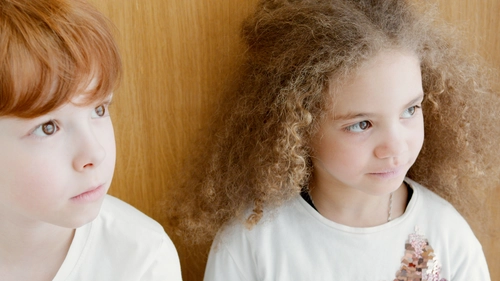
Why Does My Older Child Jealous of Younger Sibling’s Birthday Presents?
Imagine you’re three. A sibling you didn’t ask for now sits in the spotlight. Everyone coos. Colorful packages pile up. You wait. Nothing comes for you. Is it selfishness? No. It’s developmental. Young children can’t grasp time. “Your birthday is next month” means nothing. What they understand is now—the glittery paper, the new toy, the laughter. And they are invisible.
I remember watching my child’s face crumple as his baby sister grabbed a crinkly teething giraffe. He didn’t want the giraffe. He wanted the moment. The attention. Some child development experts note that toddlers see gifts as tangible proof of love and inclusion. When it’s absent, they feel rejected. This isn’t a character flaw. It’s a developmental stage where “fair” means “equal right now.” So why do we expect them to just deal with it? Because we forget how big their little feelings are.
What Can You Do When Your Older Child Is Jealous During Present Time?
The first time, I tried logic. “Sweetie, it’s her special day. You’ll get presents on your birthday.” He wailed harder. Logic doesn’t work on a sobbing three-year-old. So I stopped explaining and started connecting.
I knelt down, put my hand on his back, and said, “You wish you had a present to open right now. I see that. It’s hard.” He sniffled, nodded. Then I added, “I have a very important job for you. Would you help me?” That shift—from competitor to helper—changed everything.
Here’s what actually worked, step by step:
- Validate first. Naming the feeling diffuses the meltdown. Say, “It feels unfair when all the gifts are for someone else. I get that.” No buts. Just sit in it.
- Offer a role. Ask, “Can you be my official gift helper? I need strong hands to pass presents to the baby.” He became the gatekeeper. He felt powerful, not left out.
- Distract with gratitude. After each gift, I’d say, “Wow, look what you helped her open! She loves it because of you.” This linked his contribution to the joy.
- Prepare a small surprise. Not a bribe, a bridge. A tiny wrapped packet of stickers or a matchbox car in my pocket. I’d hand it to him quietly and whisper, “This is just from me. You’ve been such a great helper.” It wasn’t a birthday gift. It was a thank-you for his big heart.
- Model sharing later. After the party, we’d say, “That new stacking toy is for everyone to borrow. Let’s all take turns.” Collective ownership blurs the lines. It’s not “mine” and “yours” yet; it’s “ours” with a gentle first turn for the birthday child.
Does every strategy work every time? No. But the tantrums disappeared because he had a place.
A Simple Role That Saved Every Celebration
I named it. Rituals matter to young kids. “The Gift Helper” became his title. His duties: choose which present the baby opens next, tear off a tiny corner of paper (so the baby could finish), and test the toy for safety—”Make sure it’s not too scary, okay?” He took it seriously. He’d puff out his chest and announce, “I’m the helper. This one is soft.” My daughter smiled at him with drool running down her chin. He was the star of the unwrapping show.
This role has magic in it. It shifts the narrative from “I get nothing” to “I am essential.” It also buys you time. While he focuses on his task, you can manage the baby’s fussiness or thank guests. By the time all gifts are open, the envy has morphed into pride. And the photos from that party? Him holding up a rattle like it’s a trophy. Not sadness—confidence.
Age-by-Age: What Actually Works
A two-year-old will not understand the helper job fully. That’s okay. At this age, distraction is your best friend. Hand them a goody bag filled with safe sensory items—a reusable sticker book, a squishy ball, a little bubble wand—right before presents. Do it quietly. They’ll be absorbed while the baby tears paper. For a three-year-old, the Gift Helper role works beautifully. They crave meaningful participation. You might still need to prompt: “Which gift should we open next? You choose!” At four, empathy and fairness reasoning start to bloom. You can have simple conversations. “How would you feel if it was your birthday and someone else got all the presents?” They may still pout, but they can begin to regulate with your support.
What When Birthdays Are Close Together?
When birthdays are just weeks apart, the back-to-back celebrations can feel like a jealousy minefield. One trick: keep most toys in “family bins” after the first birthday. By the time the second birthday rolls around, the novelty has faded. They don’t covet the baby’s gifts from weeks ago because they’re already shared. Another parent I know opens gifts when the other child is napping. Under three, out of sight really is out of mind. Find what fits your family rhythm.
A Note on “That’s Not Fair” and the Real Lesson
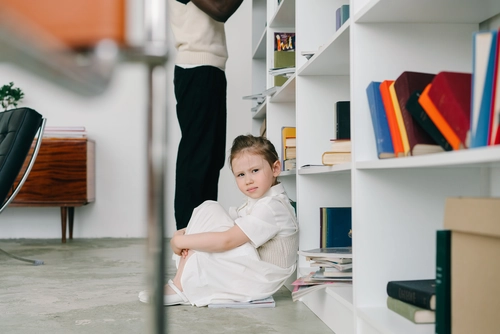
I used to panic when my child said “unfair.” I worried I was raising a spoiled kid. But “unfair” at this age just means “I hurt.” The long-term goal isn’t to make him never feel envy; it’s to teach him to soothe his own hurt and still show kindness. So when he whined, “I didn’t get anything,” I’d say, “You’re right. This part feels hard. Let’s think of one thing you’re glad the baby got.” It shifted his brain from lack to generosity. Over time, that muscle grew.
FAQ: Older Child Jealous of Younger Sibling
Q: How do I handle my older child’s jealousy during birthday gift opening?
A: Validate their feelings first. Then give them a meaningful role, like “Gift Helper.” A small surprise just for them can also help bridge the moment. The goal isn’t to eliminate envy—it’s to help them feel included.
Q: Is it okay to give my older child a present on their sibling’s birthday?
A: A small token (like stickers or a matchbox car) can help a young child feel seen without undermining the birthday child’s special day. At age 2-4, they can’t grasp abstract fairness—they need tangible inclusion.
Q: How do I prevent jealousy before the birthday party starts?
A: Talk about the upcoming celebration in advance. Give them a job. Practice the helper role beforehand. And remember that some jealousy is normal—it’s how you handle it that matters.
Q: What if my older child has a meltdown during the party?
A: Stay calm. Remove them from the room if needed. Validate their feelings without giving in to demands. A quick reset—a hug, a drink of water, a quiet moment—can help them rejoin the celebration.
Q: How do I talk to my older child about being a good sibling?
A: Use “I noticed” statements when they do something kind. “I noticed you shared your crayons. That was so generous.” Avoid lectures. Focus on catching them being good.
One Last Thing
The same child who once cried over a stuffed banana is now older. Last week at his sister’s birthday, he slipped a homemade card under her pillow before anyone woke up. He’d drawn a rainbow and a heart. He still is the Gift Helper. He doesn’t need a token anymore. He found his own way in.
References
- Faber, A., & Mazlish, E. (2012). Siblings Without Rivalry: How to Help Your Children Live Together So You Can Live Too. W. W. Norton & Company.
- American Academy of Pediatrics. (2019). Sibling Relationships. HealthyChildren.org.
- Faber, J., & King, J. (2017). How to Talk So Little Kids Will Listen: A Survival Guide to Life with Children Ages 2-7. Scribner.
