When a Child’s Emotions Feel Bigger Than the Situation
A child suddenly starts crying because something did not go their way. They become angry over a small change in plans. They refuse to calm down even after a parent has explained the situation several times. Moments like these can leave parents feeling confused, especially when they believe they have already tried everything.
Many parents instinctively focus on stopping the emotional reaction as quickly as possible. They may tell their child to calm down, stop crying, or simply move on. However, children often need help understanding emotions before they can learn how to manage them.
Emotional regulation is a skill that develops over time. Children are not born knowing how to handle disappointment, frustration, embarrassment, or fear. They learn these abilities through repeated experiences and through the way adults respond to them.

Why Do Some Children Struggle With Emotional Control?
Every child experiences strong emotions, but children respond differently depending on their personality, environment, and previous experiences. Some children become loud and expressive when upset, while others withdraw or avoid talking about what they feel.
Problems often appear when children do not know how to express what is happening inside them. A meltdown may look like defiance, but underneath it could be frustration, feeling misunderstood, fear of failure, or difficulty coping with disappointment.
Parents also play an important role because children learn emotional responses by observing the adults around them. When parents can remain calm during difficult moments, children gradually learn that strong emotions can be handled without losing control.
The Parent You Aspire to Be by Miles Carter
Children rarely throw tantrums or whine to be difficult—they do it because they are emotionally overwhelmed.
When a child is in distress, correcting their behavior or rationalizing with them almost always backfires. [The Parent You Aspire to Be] shifts the focus from behavior control to emotional connection, teaching parents that true discipline begins with recognizing what a child is actually feeling.
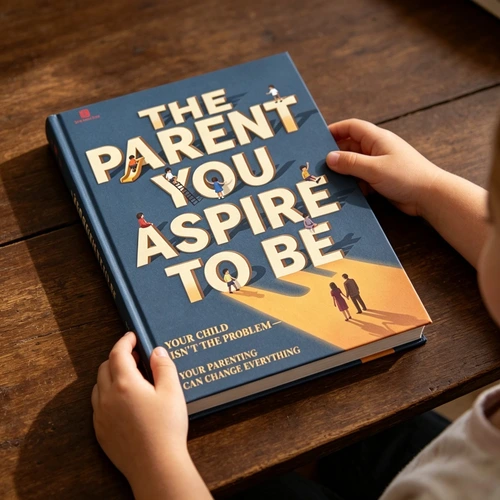
The book tackles three crucial dynamics every parent faces:
- Managing Parent Regard: Shows you how to stay calm and stop treating a child’s emotional outburst as a personal challenge.
- Nurturing Resilience: Explores how to encourage growth without making children feel that their self-worth depends entirely on high performance or perfection.
- Balancing Empathy with Boundaries: Proves that emotional support doesn’t mean accepting bad behavior, providing practical ways to enforce firm boundaries with warmth and respect.
If you are searching for a practical guide to help your child navigate big emotions while building a stronger relationship at home, this book offers an indispensable playbook.

The Parent You Aspire to Be
Miles CarterPractical guidance for tantrums, backtalk, lying, screen addiction, emotional outbursts, and everyday parenting struggles.
Children Learn Calm Through Their Environment
Parents often focus on teaching children what to do, but children also learn from what they observe. The way adults respond to frustration, conflict, and stress becomes an example children naturally absorb.
If a child sees that anger always leads to shouting, they may learn that strong emotions should be expressed through aggression. If they see adults pause, communicate, and solve problems calmly, they begin developing a different model.
This does not mean parents need to be perfect. It means everyday interactions become opportunities for children to learn emotional skills.
Emotional Growth Requires Patience
Helping children manage emotions is not about eliminating difficult feelings. Anger, sadness, disappointment, and frustration are all normal parts of life.
The goal is to help children understand these emotions and learn healthier ways to respond. Over time, they can become better at expressing themselves, solving problems, and recovering from setbacks.
The Parent You Aspire to Be helps parents approach these moments with more understanding while still maintaining necessary boundaries.
Raising Emotionally Strong Children Starts at Home
Children do not learn emotional control from one conversation. They develop these skills through countless small moments: how parents respond after a mistake, how conflicts are handled, and whether children feel safe expressing difficult emotions.
A supportive home does not mean a home without rules or challenges. It means children know that even when they struggle, they have guidance and support while learning how to handle life’s difficulties.
For parents looking for a parenting book for helping children manage big emotions, The Parent You Aspire to Be offers practical ideas for turning everyday challenges into opportunities for emotional growth.

