You ask your child to do something, they push back, and suddenly you are much more upset than you expected to be. A few minutes later, you may realize that the original problem was actually quite small, but your reaction turned it into a much bigger conflict.
This can leave parents with a frustrating question: “Why did I react like that?” Knowing that you want to stay calm does not always help when the same situations keep triggering you.
For parents dealing with this pattern, the most useful parenting books are not necessarily the ones that simply tell you to be more patient. A more helpful book can help you understand what happens between your child’s behavior and your own reaction, so you can start changing the pattern rather than feeling guilty about it afterward.
The Reaction Often Starts Before You Realize It
Parents do not always react only to what their child is doing in the moment. A difficult interaction may bring up worries about responsibility, respect, future behavior, or whether the parent is losing control of the situation.
That means your emotional response can become much bigger than the original event. A child forgets something, refuses a request, or argues about a rule, and the parent’s mind immediately jumps from the current behavior to everything that might go wrong next.
Once that happens, it becomes harder to respond calmly because you are no longer dealing only with the situation in front of you.
A Small Problem Can Become a Familiar Pattern
Imagine a child refuses to put something away. You ask again, they say no, and you repeat yourself with more frustration. The child reacts to your tone, you react to their reaction, and within minutes both of you are angry.
The next time a similar situation happens, you may already expect resistance. Your tone becomes sharper earlier, and the child may immediately become defensive because they recognize the pattern too.
This is how ordinary parenting challenges can turn into recurring family conflicts. The problem is no longer just the original behavior; it is the interaction that has developed around it.
The Parent You Aspire to Be by Miles Carter
The Parent You Aspire to Be by Miles Carter takes a broader look at this kind of parenting pattern. Rather than treating the child as the only source of the problem, the book encourages parents to consider behavior, communication, emotions, expectations, and their own reactions together.
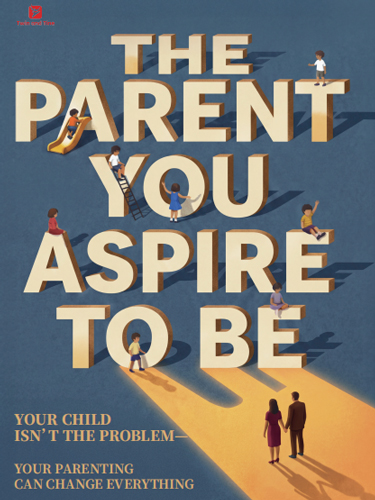
The Parent You Aspire to Be
Miles CarterPractical guidance for tantrums, backtalk, lying, screen addiction, emotional outbursts, and everyday parenting struggles.
That perspective can be useful when you often regret your response after a difficult moment. The goal is not to tell parents that they should never become frustrated. It is to help them understand what is happening so they can become more intentional about how they respond.
This matters because emotional regulation is not only about feeling calmer. It also affects the choices you make once the situation becomes difficult.
Give Yourself a Pause Between the Trigger and the Response
One of the most useful skills for an easily triggered parent is creating a little space before responding.
That space does not have to be dramatic. It might simply mean taking a breath, lowering your voice, or deciding that you do not need to answer the child’s argument immediately.
The purpose is to stop the first emotional reaction from automatically determining what happens next. Once you create that small pause, you have more room to decide whether the situation needs a firm boundary, a clearer explanation, or simply a calmer response.

Separate the Child From the Behavior
A child can behave badly without being a bad child. That distinction sounds obvious, but it becomes harder to remember when you are already frustrated.
When parents turn a behavior into a judgment about the child’s character, the interaction can become more personal very quickly. “You forgot again” can become “You never care,” and a specific problem suddenly becomes a statement about who the child is.
Keeping the focus on the behavior makes the situation easier to address and reduces the chance that both parent and child feel personally attacked.
What You Can Learn From Your Own Triggers
If the same situations repeatedly make you lose patience, pay attention to them.
Maybe you struggle most when you are rushed. Maybe you react strongly when your child ignores the first request. Maybe arguing makes you feel as though you are losing authority, which causes you to become even more forceful.
Those patterns are useful information.
The Parent You Aspire to Be encourages parents to look at their own habits as part of the parenting relationship. Understanding those triggers does not remove responsibility from the child, but it gives the parent another place where change is possible.
You Do Not Need to Become a Perfectly Calm Parent
Trying to never get angry can create another kind of pressure. Parents are human, and difficult family moments will sometimes bring out strong emotions.
A more realistic goal is to become better at recognizing when you are heading toward an unhelpful reaction. You can catch yourself sooner, recover more quickly, and repair the interaction when you handle something poorly.
Those changes can gradually alter the overall pattern at home.
Why This Parenting Book Is Worth Reading
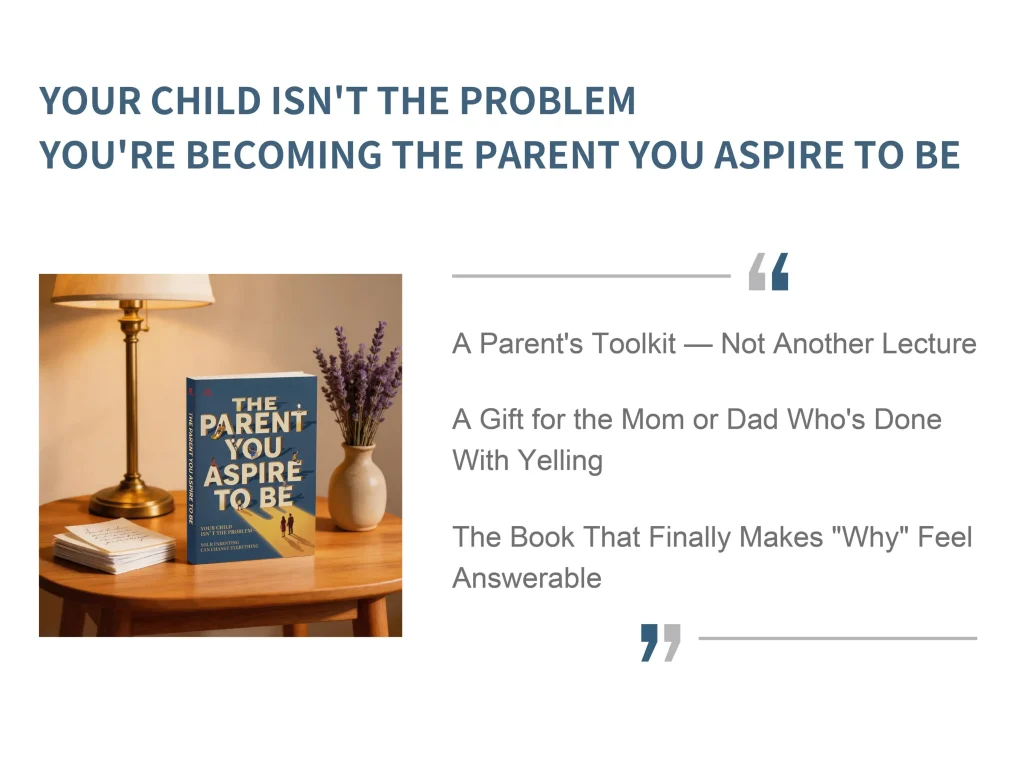
The Parent You Aspire to Be is particularly relevant to parents who feel that their own reactions are sometimes becoming part of the problem. Instead of reducing parenting to techniques for controlling children’s behavior, it encourages readers to examine the interaction from both sides.
That makes it useful beyond one particular issue. The same ideas can apply to arguments, emotional outbursts, screen conflicts, repeated resistance, and many other situations in which a parent’s frustration starts feeding the child’s reaction.
For parents who want to understand themselves as well as their children, that broader perspective can be more useful than another quick parenting tip.
Final Thoughts
Overreacting does not automatically make someone a bad parent. More often, it means a parent has fallen into a pattern that becomes difficult to interrupt once emotions rise.
A useful parenting book should help you understand that pattern instead of simply making you feel guilty about it. The Parent You Aspire to Be by Miles Carter offers that kind of perspective by connecting children’s behavior with parental emotions, communication, and everyday family dynamics.