Raising Great Kids Is About More Than Good Behavior
Most parents want their children to grow into capable, confident, kind people. But getting there is not simply a matter of teaching children to obey, get good grades, or behave well in public.
Children are still learning how to manage frustration, communicate what they need, handle mistakes, and understand other people’s feelings. The way parents respond during those everyday moments can have a lasting effect on how children see themselves and approach challenges.
That is why parenting books for raising great kids are most useful when they look beyond discipline alone. Parents need practical ways to guide behavior while also giving children room to develop confidence, emotional control, responsibility, and independence.

What Does It Really Mean to Raise a Great Kid?
A child who follows every instruction is not necessarily a child who knows how to make good decisions. As children grow, parents gradually need to help them develop their own judgment rather than simply making every decision for them.
Confidence matters, but so does the ability to handle disappointment. Emotional regulation matters, but so does knowing how to communicate respectfully. Independence matters, but children also need to know that home is a place where they can make mistakes and still feel supported.
The three books below approach these areas from different perspectives.
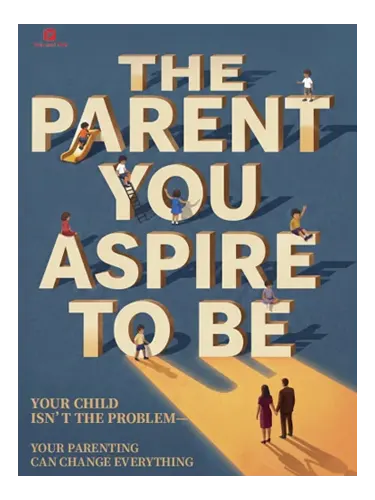
1. The Parent You Aspire to Be by Miles Carter
The Parent You Aspire to Be is built around the everyday parenting situations that can make raising children feel difficult. Instead of focusing only on general parenting principles, the book addresses specific problems involving behavior, emotions, communication, boundaries, and family relationships.
Its practical sections cover situations such as children who are unwilling to study, lying, procrastination, rude language, meltdowns, picky eating, fear of failure, low confidence, and refusing to listen. These are the moments when parenting strategies are often tested in real life. A parent may know they want to stay calm and supportive, yet still struggle to figure out what to actually say or do when a child pushes back.
The book also places considerable attention on emotional management. It explores how children learn calm from their parents’ behavior and why recognizing what a child is feeling matters before trying to correct the behavior itself. That can change the way parents approach a difficult situation because the goal is not simply to stop the behavior in front of them.
Another important theme is the balance between warmth and boundaries. The book emphasizes that children need love and support, but they also need clear expectations, consistency, and enough space to solve problems on their own.
Its advice on confidence is equally practical. Children can become afraid of failure when mistakes are treated too seriously, and constant correction or comparison can make them increasingly dependent on outside approval. The book encourages parents to create an environment where children can learn from mistakes rather than feeling that every mistake is a reflection of their worth.
For parents searching for parenting books for raising great kids, this makes The Parent You Aspire to Be particularly relevant because it connects everyday behavior with the emotional and developmental needs underneath it.
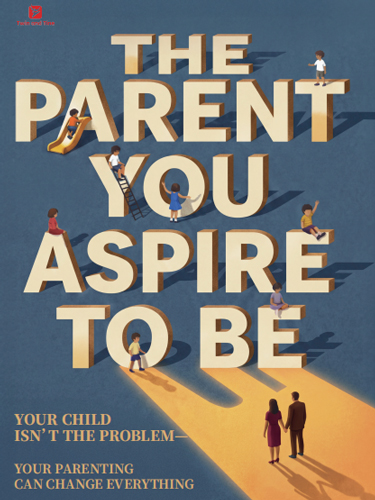
The Parent You Aspire to Be
Miles CarterPractical guidance for tantrums, backtalk, lying, screen addiction, emotional outbursts, and everyday parenting struggles.
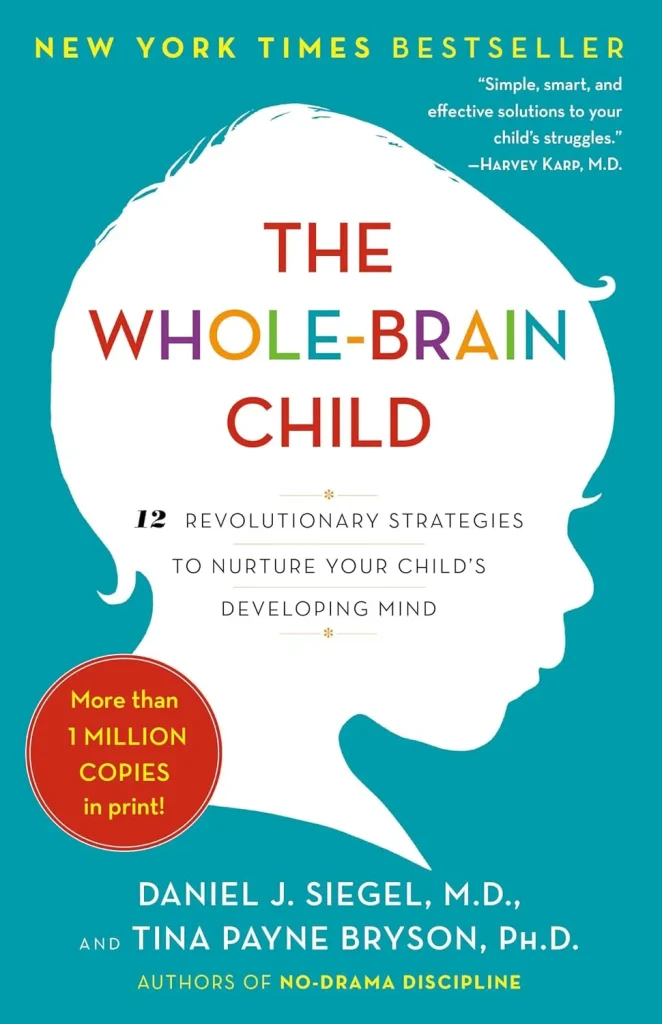
2. The Whole-Brain Child by Daniel J. Siegel and Tina Payne Bryson
The Whole-Brain Child focuses on children’s emotional and neurological development and explains how parents can respond to difficult moments in ways that support emotional growth.
The book offers strategies for handling tantrums, strong emotions, and challenging behavior while helping children gradually develop better self-awareness and emotional skills.
One of its useful ideas is that difficult behavior can sometimes be an opportunity to teach a child how to understand and manage emotions rather than simply an opportunity to enforce obedience. This perspective can help parents think about what their child needs to learn, not only what they need the child to stop doing.
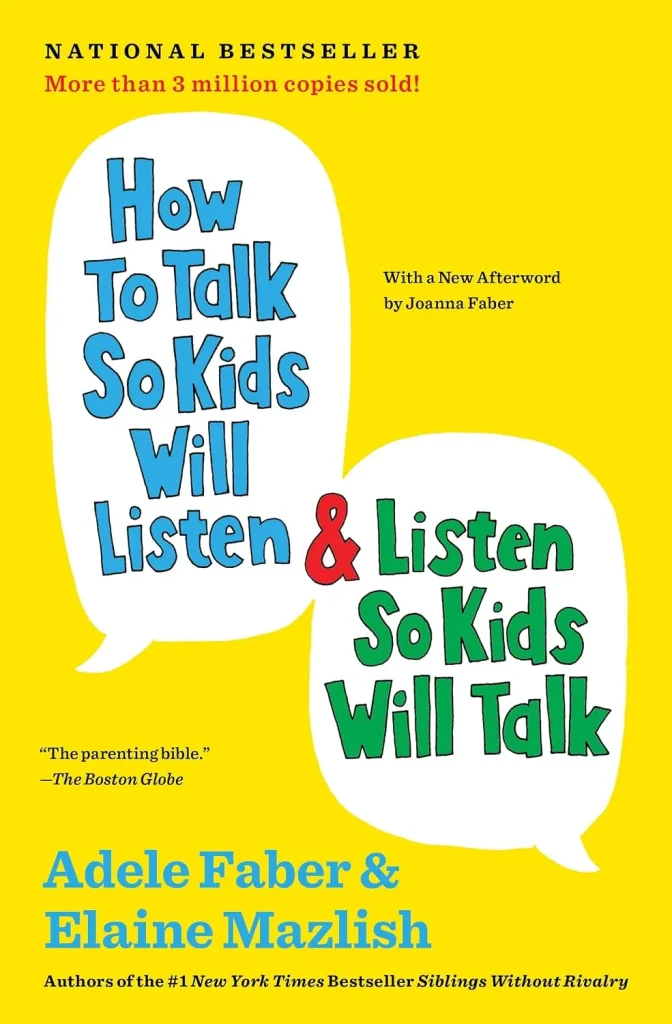
3. How to Talk So Kids Will Listen & Listen So Kids Will Talk by Adele Faber and Elaine Mazlish
How to Talk So Kids Will Listen & Listen So Kids Will Talk focuses heavily on parent-child communication. It addresses everyday situations where parents need cooperation but do not want every interaction to become an argument.
The book explores ways to communicate children’s feelings, encourage cooperation, and handle conflict without relying entirely on punishment or repeated commands.
For parents who find themselves saying the same thing over and over without getting through to their child, its communication-based approach offers practical ideas for changing the interaction itself.
Raising Confident Children Requires Room for Mistakes
Children learn from what happens when things do not go well. If every mistake leads to criticism, embarrassment, or immediate parental intervention, they may become more focused on avoiding failure than learning from it.
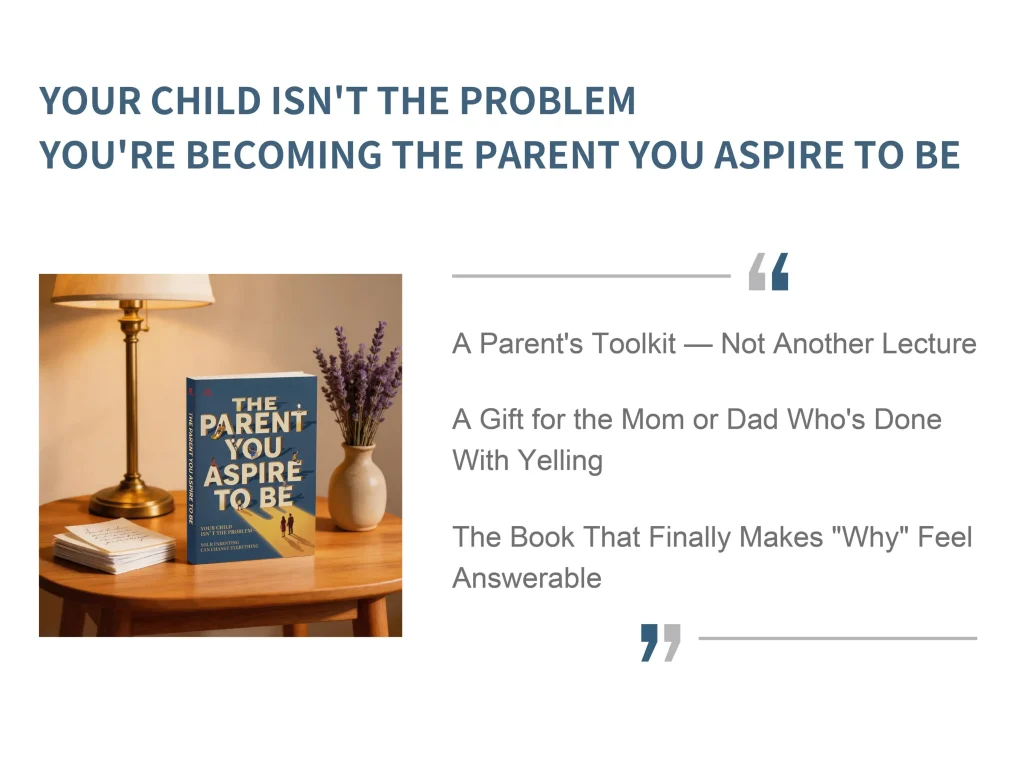
The Parent You Aspire to Be addresses this directly through its discussion of children’s fear of failure, confidence, embarrassing moments, and parental over-correction. It also emphasizes that children are not adults and should not be held to adult standards of judgment and self-control.
That does not mean removing expectations. It means adjusting expectations to a child’s stage of development and giving them enough space to practice solving problems themselves.
Good Parenting Is Also About Knowing When Not to Step In
Parents naturally want to protect their children from frustration. But stepping in every time something goes wrong can prevent children from developing their own problem-solving skills.
The book’s sections on overprotecting children, overreminding, stepping into every conflict, and not allowing children to solve problems themselves explore this side of parenting. Sometimes the most helpful thing a parent can do is resist the urge to immediately fix the situation.
Children need opportunities to experience manageable difficulty. With support rather than constant intervention, they can gradually learn that frustration is something they can work through.

Children Learn From the Emotional Climate at Home
What parents say matters, but how they behave matters too. Children notice how adults handle frustration, disagreement, mistakes, and stress even when nobody is explicitly teaching them a lesson.
The Parent You Aspire to Be places strong emphasis on parental emotional regulation and the idea that children can learn calm from their parents’ behavior. A parent who can pause before reacting gives a child a very different model from a parent who responds to every problem with anger or panic.
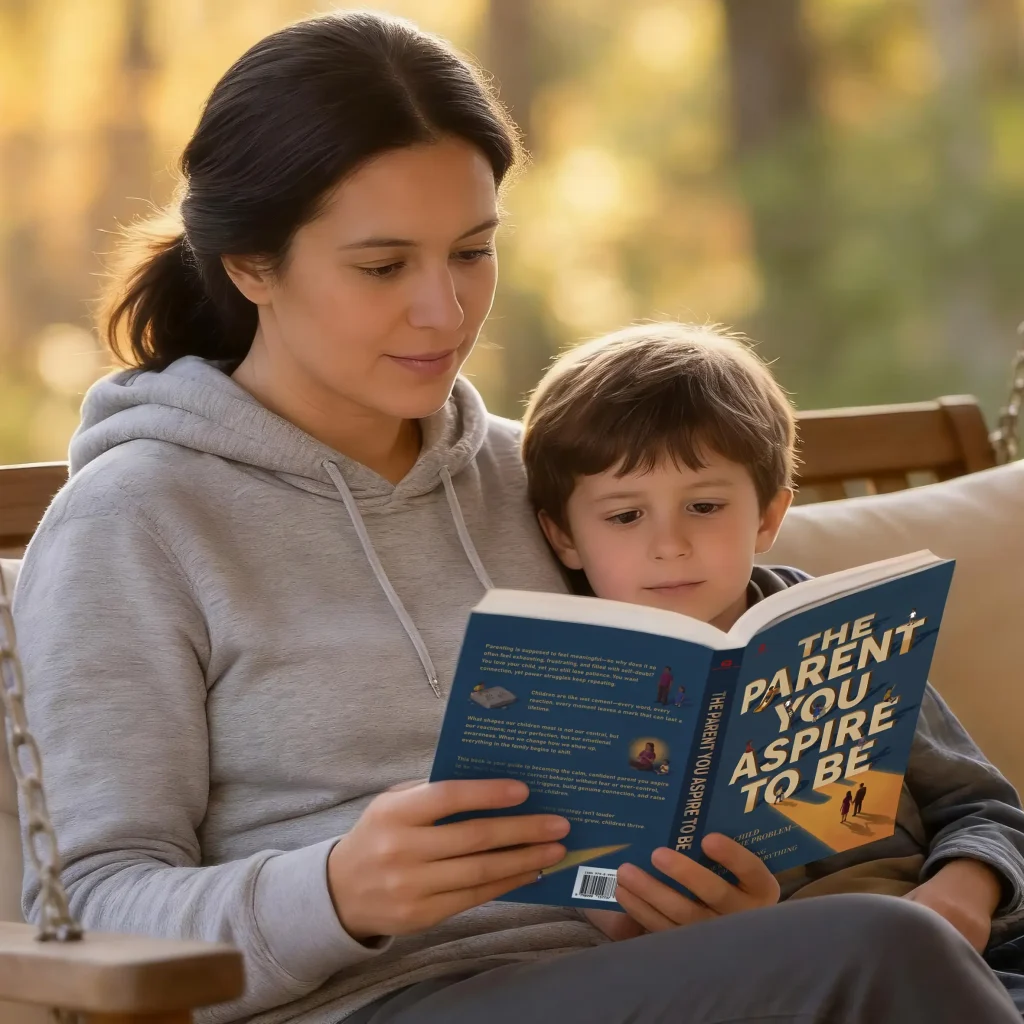
This is especially important during meltdowns and other emotionally intense situations. The child may need guidance, but the parent’s ability to stay regulated can influence how quickly the situation settles.
Raising Great Kids Does Not Mean Raising Perfect Kids
Children will still argue, make mistakes, test limits, become emotional, and occasionally make choices their parents do not understand. Those moments do not mean the parenting process has failed.
The deeper goal is to help children gradually become people who can think for themselves, manage difficult emotions, communicate with others, and recover when things do not go their way.
That requires more than discipline. It requires patience, consistency, boundaries, and enough trust to let children grow into their own abilities.
Three Books for Different Parenting Challenges
The Parent You Aspire to Be focuses on practical problems involving behavior, emotional regulation, communication, confidence, boundaries, and independence. The Whole-Brain Child places more emphasis on emotional and developmental processes, while How to Talk So Kids Will Listen & Listen So Kids Will Talk centers on communication and cooperation.
Together, these books offer different perspectives on the same larger task: helping children grow without trying to control every part of who they become.
For parents looking through parenting books for raising great kids, the most useful ideas are often the ones that can be applied during ordinary moments at home. A difficult conversation, a child’s mistake, a sudden meltdown, or a moment when they need to try something on their own can all become part of how they learn to handle life.