Children’s behavior is often a form of communication.
A child who becomes angry, refuses to cooperate, or suddenly becomes emotional may not simply be “misbehaving.” Their actions often reflect feelings, needs, or experiences they do not yet know how to express.
For parents, understanding what is behind behavior can completely change the way they respond.
Instead of focusing only on stopping unwanted behavior, parents can learn to discover what their child is trying to communicate.
The right parenting books can help families develop stronger emotional connections and create more supportive relationships.
The Parent You Aspire to Be by Miles Carter
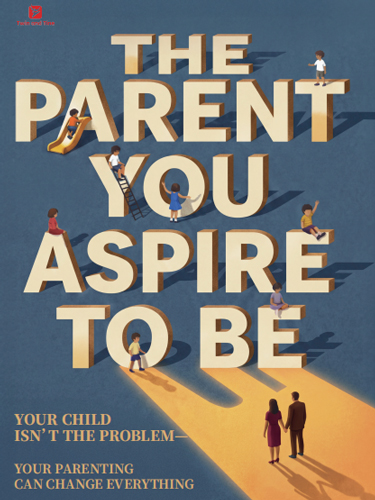
The Parent You Aspire to Be
Miles CarterPractical guidance for tantrums, backtalk, lying, screen addiction, emotional outbursts, and everyday parenting struggles.
Best for parents who want to respond to children with deeper understanding
Parenting requires more than knowing what rules to set.
It requires understanding emotions, recognizing needs, and building trust.
The Parent You Aspire to Be by Miles Carter explores how parents can become more aware of their own responses while better understanding their children.
The book helps parents develop skills around:
- Emotional connection
- Patient communication
- Understanding children’s perspectives
- Creating a supportive parenting environment
It encourages parents to focus not only on correcting behavior but also on understanding the reasons behind it.
No-Drama Discipline by Daniel J. Siegel and Tina Payne Bryson
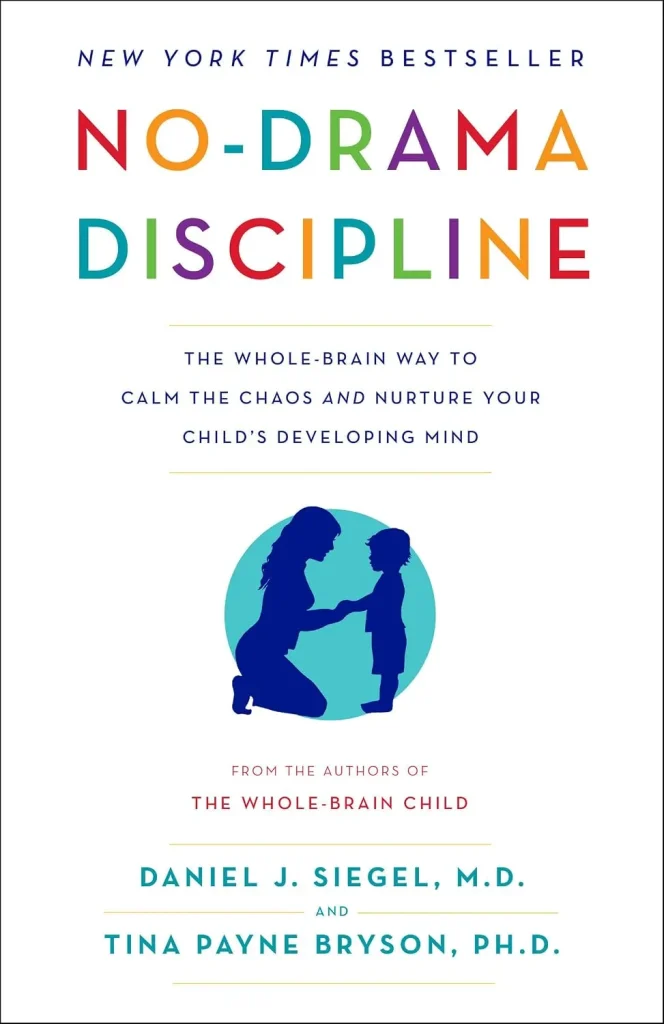
Best for handling challenging behavior with connection
Discipline is often one of the most difficult parts of parenting.
No-Drama Discipline explores how parents can guide children’s behavior while maintaining emotional connection.
The book focuses on helping children learn from mistakes instead of feeling punished or disconnected.
It provides practical ideas for responding to difficult moments with more calm and understanding.
The Emotional Life of the Toddler by Alicia F. Lieberman
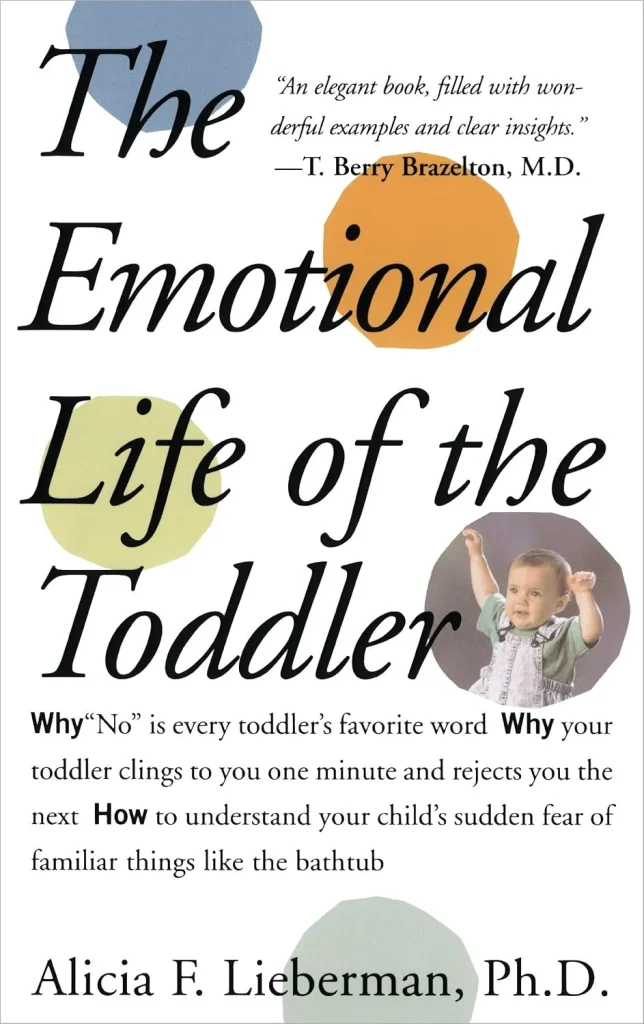
Best for understanding young children’s emotional development
Young children experience strong emotions before they fully understand how to manage them.
The Emotional Life of the Toddler explores how toddlers think, feel, and develop emotionally.
For parents of young children, the book provides insights into common behaviors and emotional needs.
Why Understanding Behavior Changes Parenting
When parents understand the emotions behind behavior, they can respond more effectively.
A child’s actions often communicate something:
- A need for attention
- A feeling of frustration
- A desire for independence
- A struggle with emotions
Looking beyond behavior helps parents build stronger relationships.
Parenting Starts With Connection
Rules and boundaries are important, but connection creates the foundation for cooperation.
Children are more likely to listen and communicate when they feel understood.
A supportive relationship allows parents to guide children while maintaining trust.
Why The Parent You Aspire to Be Stands Out
Many parenting books focus on solving specific problems.
The Parent You Aspire to Be by Miles Carter focuses on helping parents develop the mindset and emotional awareness needed for long-term connection.
For parents who want to better understand their children and create a stronger family relationship, this book provides practical and thoughtful guidance.