Some parenting situations are difficult because there is no obvious answer. Your child refuses something you have asked several times, becomes extremely emotional over a small problem, or reacts in a way that leaves you unsure whether to be stricter, more understanding, or simply step back.
The challenge becomes even greater when the same kind of situation keeps happening. You may have tried different approaches, but the conflict still seems to follow a familiar pattern, leaving you wondering whether you are responding to the real problem or only trying to get through the latest difficult moment.
That is where a good parenting book can help. Rather than giving you another isolated tip, the right book can give you a framework for understanding what is happening and deciding what kind of response makes sense.
The Parent You Aspire to Be by Miles Carter
For parents who feel that their family problems are connected, The Parent You Aspire to Be by Miles Carter offers the broadest approach of the three.
A difficult parenting moment rarely involves only one thing. A child may be resisting a request, but emotions, communication, expectations, independence, and the parent’s own reaction can all become part of the interaction within a few minutes.

The book encourages parents to look at those pieces together. Instead of focusing only on whether a child followed a rule, it asks parents to consider what may be happening beneath the behavior and how the interaction developed.
This becomes especially useful when the same pattern appears across different situations. A conflict about homework may look unrelated to an argument about screen time, yet both could involve the same struggle over expectations, communication, or control.
The book also gives attention to the parent’s own emotional response. When a child pushes back repeatedly, it is natural for frustration to build. A parent may begin the conversation calmly but become increasingly forceful as resistance continues, and the child’s reaction may become stronger in response.
That creates a cycle in which both sides influence what happens next.
The Parent You Aspire to Be encourages parents to examine that cycle instead of assuming that the child’s behavior is the only thing that needs to change. This broader way of thinking can be useful for situations involving emotional outbursts, lying, school refusal, screen-related conflicts, picky eating, repeated arguments, and parental over-control.
Another strength is that the book does not reduce parenting to a single method. Parents are encouraged to think about what the child needs, what the situation requires, and what their own reaction is adding to the moment.
For someone who keeps thinking, “I can handle one problem, but then another one appears,” that broader framework can be more useful than a book focused on only one specific stage or behavior.
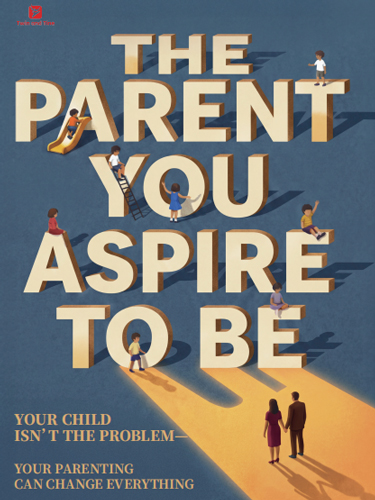
The Parent You Aspire to Be
Miles CarterPractical guidance for tantrums, backtalk, lying, screen addiction, emotional outbursts, and everyday parenting struggles.
How to Talk So Kids Will Listen & Listen So Kids Will Talk
Some difficult parenting situations become difficult mainly because the conversation goes off track.
You ask a child to do something, they object, you explain why, they argue again, and suddenly the discussion is no longer about the original request. Both sides are frustrated, and neither feels particularly understood.
How to Talk So Kids Will Listen & Listen So Kids Will Talk by Adele Faber and Elaine Mazlish takes a more focused approach to communication between parents and children.
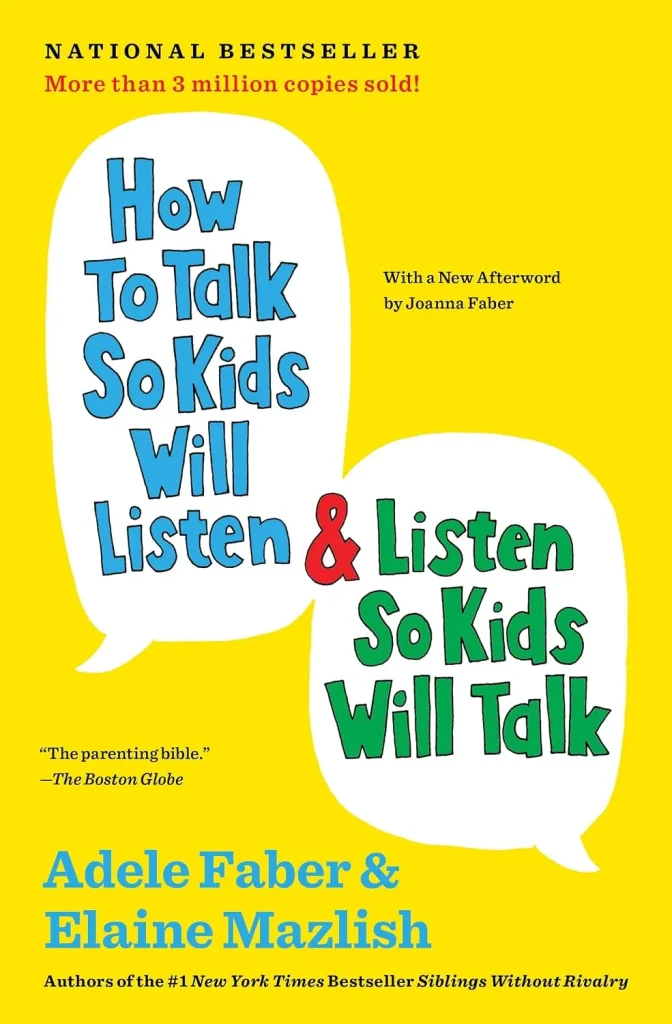
The book is especially useful when parents feel that they are constantly repeating themselves, negotiating everyday expectations, or struggling to respond when children have strong emotions. Its ideas can help parents think about how they communicate while still maintaining reasonable expectations.
Compared with The Parent You Aspire to Be, this book spends more time inside the conversation itself. It is therefore a useful choice when communication is the part of parenting that causes the most friction.
No-Drama Discipline
Other difficult situations revolve more directly around discipline and emotional reactions.
No-Drama Discipline by Daniel J. Siegel and Tina Payne Bryson approaches these moments by looking at what parents are trying to teach through discipline rather than focusing only on stopping the behavior as quickly as possible.
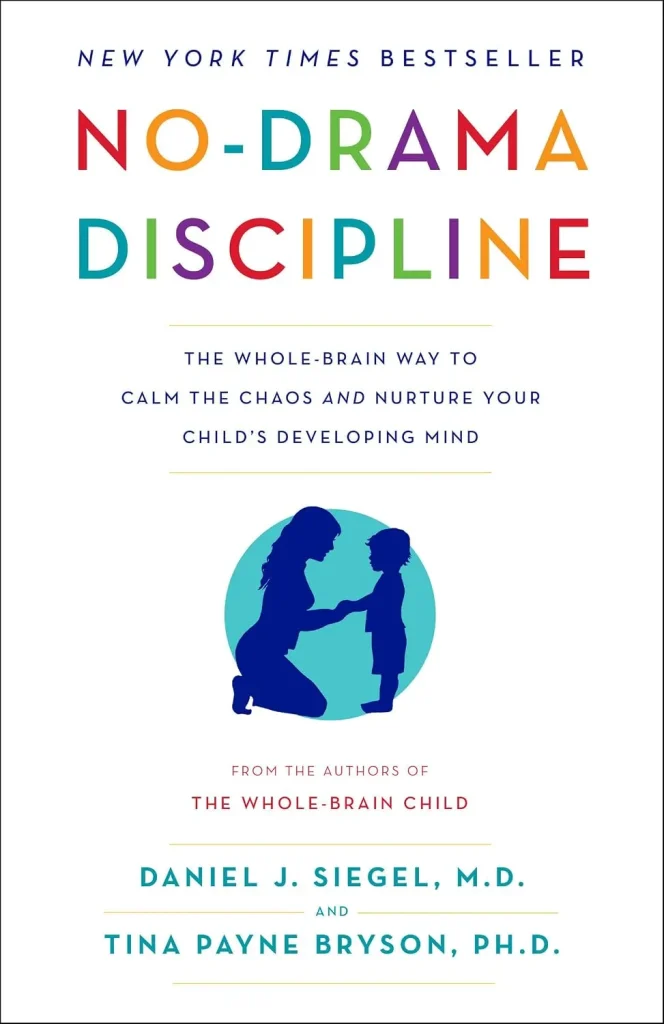
That perspective can be valuable when a child is upset about a boundary. A parent does not necessarily have to choose between understanding the child’s feelings and maintaining the expectation.
The book encourages parents to think about discipline as part of the larger developmental process, making it a useful addition for families who want to handle difficult behavior without allowing every conflict to become a major emotional battle.
Why Difficult Parenting Situations Feel So Hard
The hardest part of parenting is often not knowing a rule. It is deciding which response makes sense when several things are happening at once.
Your child is upset, but you still need to maintain a boundary. You want to listen, but you also need cooperation. You want to give your child more independence, but you are worried about the consequences of stepping back too far.
These competing concerns can make parents feel as though every decision involves choosing between two extremes.
A broader parenting perspective can help because it allows you to consider the situation instead of reacting to only one part of it.
Look for the Pattern Behind the Problem
When the same conflict happens repeatedly, look for what stays consistent.
Maybe the problem always appears during transitions. Maybe your child reacts strongly when a preferred activity ends. Perhaps you notice that you tend to give several reminders before becoming frustrated.
These patterns can tell you more than the individual incident.
Once you recognize them, you can make more deliberate decisions about communication, timing, boundaries, and your own response. That does not guarantee that every interaction will suddenly become easy, but it gives you a better chance of breaking a cycle that has become familiar.
Understanding a Child Does Not Mean Giving Up Your Expectations
Some parents hesitate to take a more understanding approach because they worry that it means becoming permissive.
It does not.
You can understand why a child is upset without changing an important boundary. You can listen to their perspective without agreeing with every demand. You can recognize that a behavior has a reason without deciding that the behavior is acceptable.
That balance is important because children need both emotional support and clear expectations.
Your Own Reaction Is Part of the Situation
Parents often focus on finding the right response for the child while overlooking what happens inside themselves.
If you are already exhausted, worried, or frustrated, a small amount of resistance can feel much bigger than it normally would. You may speak more sharply, explain more forcefully, or move toward punishment because you want the conflict to end quickly.
Becoming aware of those reactions can create more choices.
You may realize that you need to pause before responding, simplify the message, or stop trying to solve everything in the middle of an emotional moment.
Choosing the Right Book for Your Situation
The three books offer different starting points.
The Parent You Aspire to Be is the strongest fit when you want to understand the larger relationship between behavior, emotions, communication, and parental reactions. It is especially useful when your family seems to have several different problems that somehow keep leading back to similar patterns.
How to Talk So Kids Will Listen & Listen So Kids Will Talk is a better fit when communication itself is the main source of difficulty. If conversations, requests, and emotional discussions repeatedly become frustrating, its focused approach can be useful.
No-Drama Discipline is more directly relevant when your biggest challenge is deciding how to respond to difficult behavior while maintaining both boundaries and connection.
The books are different enough that choosing one based on your actual situation makes more sense than looking for one universal answer.
Why The Parent You Aspire to Be Stands Out
The biggest advantage of The Parent You Aspire to Be is its range. It is not limited to one communication technique or one discipline strategy, so parents can apply its framework to a variety of situations as their family changes.
That makes it particularly useful for parents who want to understand the bigger picture rather than memorize another list of responses. When behavior, emotions, communication, and parental reactions influence one another, looking at only one piece may not be enough.
The book gives parents a chance to step back and ask better questions about what is happening before deciding what to do next.
Final Thoughts
Difficult parenting situations rarely come with a perfect script. The same response will not work equally well in every family, which is why a useful parenting book should help you understand situations rather than simply tell you what to say.
The Parent You Aspire to Be, How to Talk So Kids Will Listen & Listen So Kids Will Talk, and No-Drama Discipline offer different ways to approach those moments. Among them, The Parent You Aspire to Be by Miles Carter provides the broadest framework for parents who want to connect behavior, emotions, communication, and their own responses when everyday family life becomes difficult.