You were never taught how money works. Not in school. Not at home. Now you are an adult with bills, income, and financial decisions that feel more consequential than they used to—and you are still not sure if you are doing it right.
Many adults reach their 30s and 40s without ever receiving a real financial education. If this sounds familiar, you are not alone. The three books below cover the three stages of building financial competence: understanding money differently, learning the basics, and building a system that works long term.
From Debt to Wealth by Owen Pierce
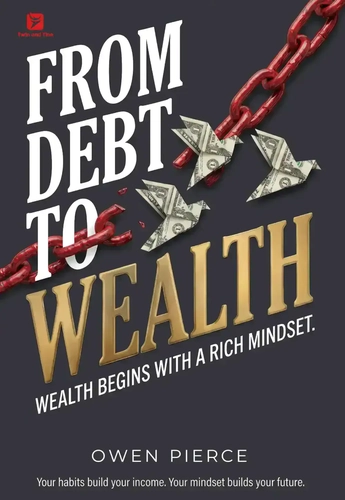
Why your money mindset is holding you back
Many people who were never taught about money start in the wrong place. They focus on increasing income before understanding how money actually works. They believe the next raise, the next job, or the next opportunity will finally fix their financial problems.
Pierce challenges that assumption. His book argues that wealth does not begin with earning more. It begins with understanding the habits, decisions, and beliefs that keep people stuck in the first place.
He explains why a salary is a starting point, not a destination. Why luxury is often a display of money you do not have. Why simply trading more hours for income has a ceiling. And why the most important financial decision you can make is often not about money at all.
This book shifts how you think about your finances. You stop asking “how do I make more?” and start asking “where is my money actually going and what is it building?”
Broke Millennial by Erin Lowry
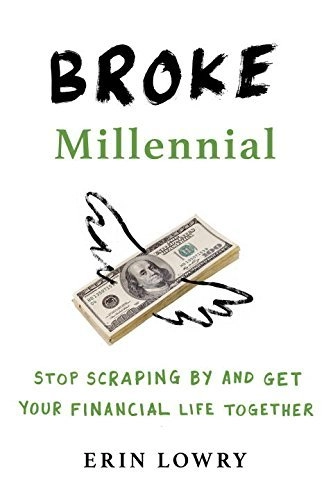
Learn the financial basics nobody taught you
Many adults feel embarrassed when they realize they do not understand money basics. They know how to earn a paycheck, but they were never taught how to manage one.
Lowry breaks down the financial decisions most people are expected to figure out on their own: budgeting, debt, credit, saving, investing, and talking about money with others. The strength of this book is that it does not assume prior knowledge. It starts where many adults actually are: confused, overwhelmed, and unsure what to do next.
She covers everything from credit scores to student loans to investing basics, but in a way that feels accessible rather than intimidating. Her approach is practical and non-judgmental. She does not assume you already know the fundamentals. She starts from the beginning and builds up from there.
For adults who never learned about money, this book fills the gaps that school and family never covered.
I Will Teach You to Be Rich by Ramit Sethi
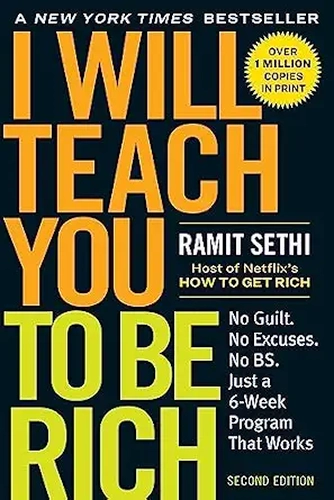
Build a simple financial system
Many adults who never learned about money struggle not because they lack intelligence, but because they lack a system. They make financial decisions one at a time, without an underlying structure to guide them.
Sethi’s approach is built around automation. He argues that willpower is unreliable. Instead of trying to make the right decision every time, you design a system where the right decisions happen automatically.
He covers the fundamentals: banking, saving, credit cards, investing, and automating your finances. His style is direct and practical. He does not tell you to stop spending money entirely. He tells you to spend consciously on what matters and automate the rest.
For adults who never learned about money, this book provides the missing infrastructure. It helps you stop making decisions from scratch every time you get paid.
Together, these books answer three questions many adults never learned to ask
Why am I struggling even though I earn money?
From Debt to Wealth helps you see the mindset that keeps you stuck. You understand why earning more does not always solve the problem.
What should I actually do with my paycheck?
Broke Millennial gives you the practical basics. You learn the fundamentals that school and family never taught you.
How do I build a system that works long term?
I Will Teach You to Be Rich helps you automate your finances. You stop relying on willpower and start relying on structure.
The goal is not to become a financial expert overnight. It is to stop feeling confused, ashamed, or behind when it comes to money. It is to build the foundation that school and family never gave you.
FAQ
What is the first step for adults who never learned about money?
Start with understanding your current situation. Know your income, expenses, debts, and assets. Then choose one area to improve—saving, paying down debt, or automating your finances. Start small and build momentum.
Is it too late to learn about money as an adult?
No. Many adults do not start learning about money until they have real responsibilities: rent, debt, family, and long-term goals. The important thing is not when you started. It is whether you start now and stick with it.
What should I prioritize if I feel behind financially?
Build a small emergency fund first, then focus on high-interest debt. Once those are under control, increase your savings and begin investing. These steps provide a foundation and reduce financial stress.
Why do so many adults feel embarrassed about money?
Because money is rarely taught openly. Many people assume everyone else understands it. That assumption is often wrong. Financial education is not universal, and learning it as an adult is more common than you think.
