Many people assume that changing their financial situation requires a higher income, a better investment strategy, or some secret money hack that rich people know and they do not.
But most financial transformations start somewhere else. They start when someone realizes that their current beliefs about money are keeping them stuck.
Some books teach you how to invest. Others teach you how to budget. The books below do something different: they change how you think about money, what wealth means, and what money is actually for.
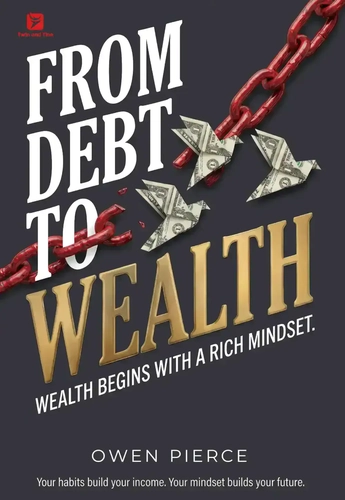
From Debt to Wealth by Owen Pierce
Change your money mindset
Many people believe financial problems are caused by a lack of income. They think making more money will automatically solve everything.
Pierce challenges this idea. The biggest financial mistake many people make is trying to solve a mindset problem with a money problem. He argues that wealth begins with understanding the decisions, habits, and beliefs behind your financial life.
A salary is a starting point, not a destination. Luxury is often a display of money you do not have. Working more hours has a ceiling. And the most important financial decision you can make is often not about money at all.
This book shifts how you think about your finances. You stop asking “how do I make more?” and start asking “where is my money actually going and what is it building?”
Before you can change your financial results, you have to change the thinking that created them.
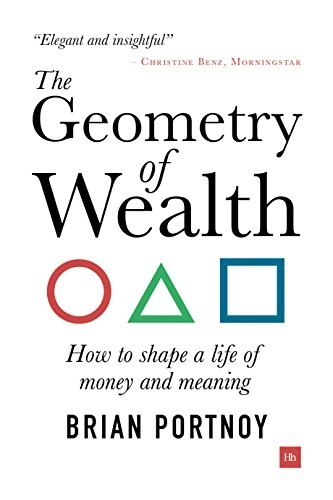
The Geometry of Wealth by Brian Portnoy
Change what you believe wealth means
Most financial advice focuses on a single question: how do I get more money? Portnoy asks a different one: what is money actually for?
He argues that wealth is not a number. It is not a portfolio size or a net worth figure. True wealth, he says, is “funded contentment”—the ability to feel secure and satisfied with what you have.
The book explores the gap between accumulating money and actually feeling wealthy. Portnoy explains why people often reach financial goals and still feel unsatisfied. He draws on psychology, behavioral science, and real-world examples to show that the path to wealth is not just about earning and investing. It is about understanding what you actually want from your money.
For anyone who has ever wondered why more money does not always feel like enough, this book offers a different framework.
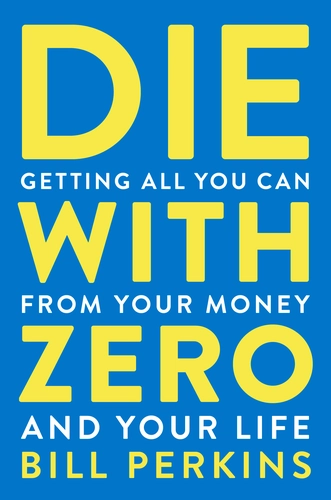
Die With Zero by Bill Perkins
Rethink what money is actually for
Most financial advice focuses on accumulation. Save more. Invest more. Delay gratification. Build a bigger nest egg.
Perkins asks a different question: what is the point of money if you never use it to create the life you want?
He argues that many people spend their best years accumulating wealth and then die with money they never enjoyed. His book reframes wealth as a tool for life experiences, not an end in itself. He challenges readers to think about when and how to use their money to create meaningful memories, and why waiting too long can be a mistake.
Are you saving money, or are you saving life?
This book is not about reckless spending. It is about intentional living.
What these three books teach you
Each of these books challenges a different assumption about money.
The first book challenges the belief that earning more is the answer. It helps you understand the mindset that keeps you stuck.
The second book challenges the belief that wealth is just a number. It helps you define what wealth actually means for you.
The third book challenges the belief that accumulating wealth is the end goal. It asks you to consider what you are actually saving for.
Together, they do not just teach you how to manage money better. They change the way you think about it.
FAQ
Can a book really change your financial life?
The right book will not change your life overnight. But it can change the decisions you make every day. And changed decisions, repeated over time, change everything.
What is the best personal finance book for someone starting from zero?
Start with From Debt to Wealth. It helps you understand the mindset that keeps people stuck, which is often the missing piece for people who feel like they are not making progress.
Why do most personal finance books fail to create change?
Because they focus on behavior without addressing the underlying beliefs. You can tell someone to save more, but if they do not understand why they spend in the first place, the advice will not stick.
Is financial freedom realistic for someone earning a middle-class income?
Yes. The math is different for everyone, but the principles are the same: increase the gap between income and spending, invest the difference, and give it time. Starting earlier helps, but starting now is what matters.
