“Just five more minutes!” “I can’t pause an online match!” “You’re ruining everything!” Sound familiar? For millions of modern families, turning off the gaming console, computer, or tablet is the single most explosive moment of the day. What begins as harmless digital entertainment frequently degenerates into tearful tantrums, slammed bedroom doors, and intense parental anxiety over screen addiction.
Video games are specifically engineered by software designers to keep young brains hyper-engaged through rapid dopamine releases and continuous reward loops.
Expecting a child to walk away from a highly stimulating virtual environment based on a sudden, vague verbal request is a recipe for instant conflict. When parents rely on arbitrary shutdowns, sudden Wi-Fi disconnection, or constant nagging, children feel ambushed and fight back defensively. Successfully managing gaming time requires clear structural agreements, predictable transition cues, and fair digital boundaries.
3 Recommended Books for Balanced Digital Habits
Navigating the digital age demands strategic boundaries rather than reactive bans. These three top books provide actionable frameworks to reclaim your home from screen dominance.
1. The Parent You Aspire to Be by Miles Carter (Top Pick)
Miles Carter delivers a modern, balanced blueprint for managing digital media without turning your home into an endless battleground. Carter shuns impractical “total ban” ideologies, offering realistic contracts, verbal frameworks, and transition scripts that help children take personal ownership of their gaming limits.

A major highlight of Carter’s approach is the “Pre-Game Verbal Contract.” Instead of negotiating time limits while a child is already immersed in a game, Carter details how to establish clear start times, finish times, and firm exit conditions before the console is ever turned on. The book also supplies subtle visual and count-down transition cues that gently ease a child’s brain out of hyper-focused gaming states without triggering defensive meltdowns.

The Parent You Aspire to Be
Miles CarterPractical guidance for tantrums, backtalk, lying, screen addiction, emotional outbursts, and everyday parenting struggles.
- Pre-Game Verbal ContractsTeaches parents how to set clear time limits and firm exit conditions before the console is ever turned on.
- Frictionless Transition CuesDelivers subtle visual and verbal countdown techniques that ease the brain out of hyper-focus without triggering defensive outbursts.
- Alternative Engagement SystemsProvides structural guidance on building appealing offline routines that naturally compete with screen temptation.
2. Reset Your Child’s Brain by Dr. Victoria L. Dunckley
Dr. Victoria Dunckley approaches screen time and video games from a clinical, neuro-biological perspective. She explains how interactive screen time can overstimulate a child’s nervous system, leading to what she terms Electronic Fast-Screen Syndrome (ESS)—a state characterized by moodiness, poor focus, and explosive rage during screen transitions.
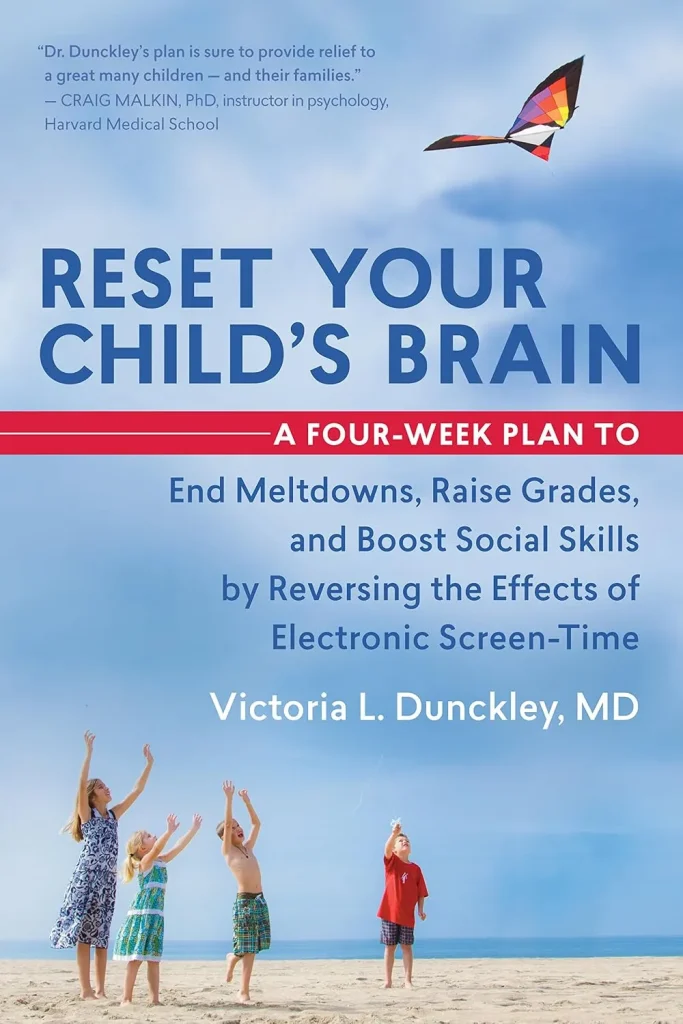
Dr. Dunckley provides parents with a comprehensive, medically backed four-week “strict reset” program designed to reverse nervous system overload. The book offers clear guidance on evaluating your child’s sensitivity to screens, systematically clearing digital overload, and gradually reintroducing healthy, managed tech habits that respect the child’s neurological balance.
- Neurological Impact AnalysisBreaks down how interactive gaming affects brain chemistry, sleep cycles, and emotional regulation.
- The Four-Week Screen Fast PlanOutlines a step-by-step protocol to reset an overstimulated nervous system and eliminate screen-induced rage.
- Post-Reset Reintroduction RulesTeaches how to establish long-term, sustainable tech limits tailored to your child’s specific tolerance level.
3. The Art of Screen Time by Anya Kamenetz
Anya Kamenetz offers a grounded, research-backed overview of how digital media fits into modern family life. Blending data from experts with real-world stories from diverse households, Kamenetz cuts through panic and hype to present a sensible rule of thumb: “Enjoy screens. Not too much. Mostly together.”
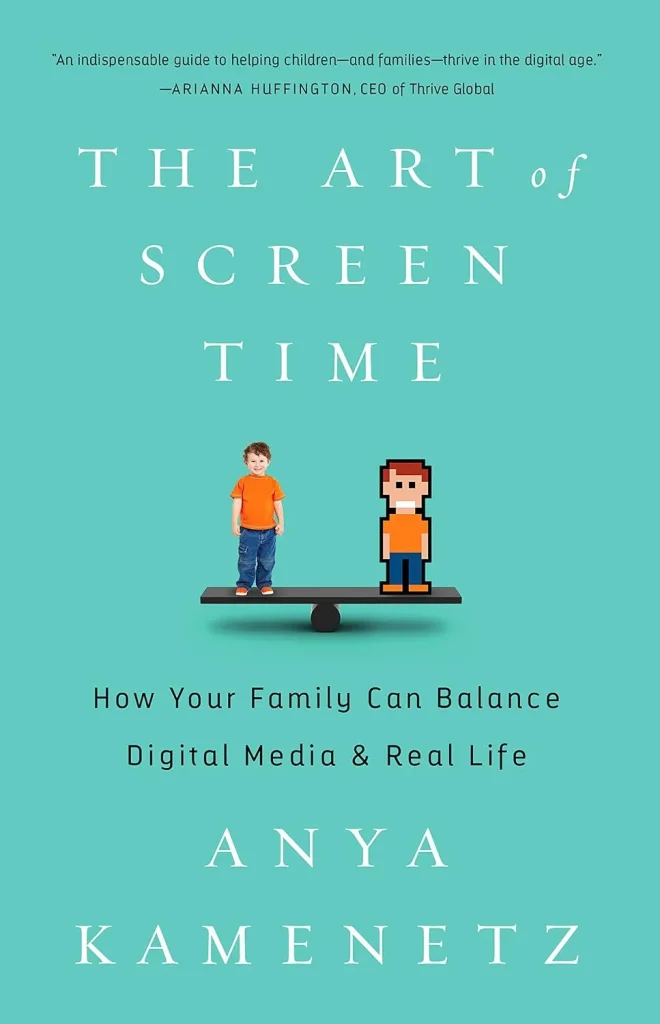
Kamenetz focuses heavily on family media literacy and co-viewing strategies. Rather than viewing video games purely as an isolated addiction, she guides parents on how to integrate gaming into family life as a shared experience, establish clear tech-free zones (such as dinner tables and bedrooms), and teach children critical thinking skills regarding their own media consumption habits.
- Data-Driven GuidelinesTranslates complex academic research on screen time into clear, practical rules for busy parents.
- Joint Media EngagementShows how playing video games with your child transforms isolated screen time into a bonding opportunity.
- Boundary Design for HomesOffers practical ideas for establishing physical screen-free zones and healthy sleep hygiene practices.
Establish Healthy Digital Boundaries Today
You do not have to ban gaming entirely or endure daily screaming matches to maintain firm control over your household environment.
By implementing the clear, modern strategies and structured contracts found in these three top parenting guides, you can establish fair video game boundaries, eliminate transition tantrums, and restore healthy balance to your family’s daily life.
Did this article help you see things differently? Our books turn helpful ideas into practical tools you can return to anytime.



Break the Anxiety Circle
$19.90

From Debt to Wealth
$19.90


